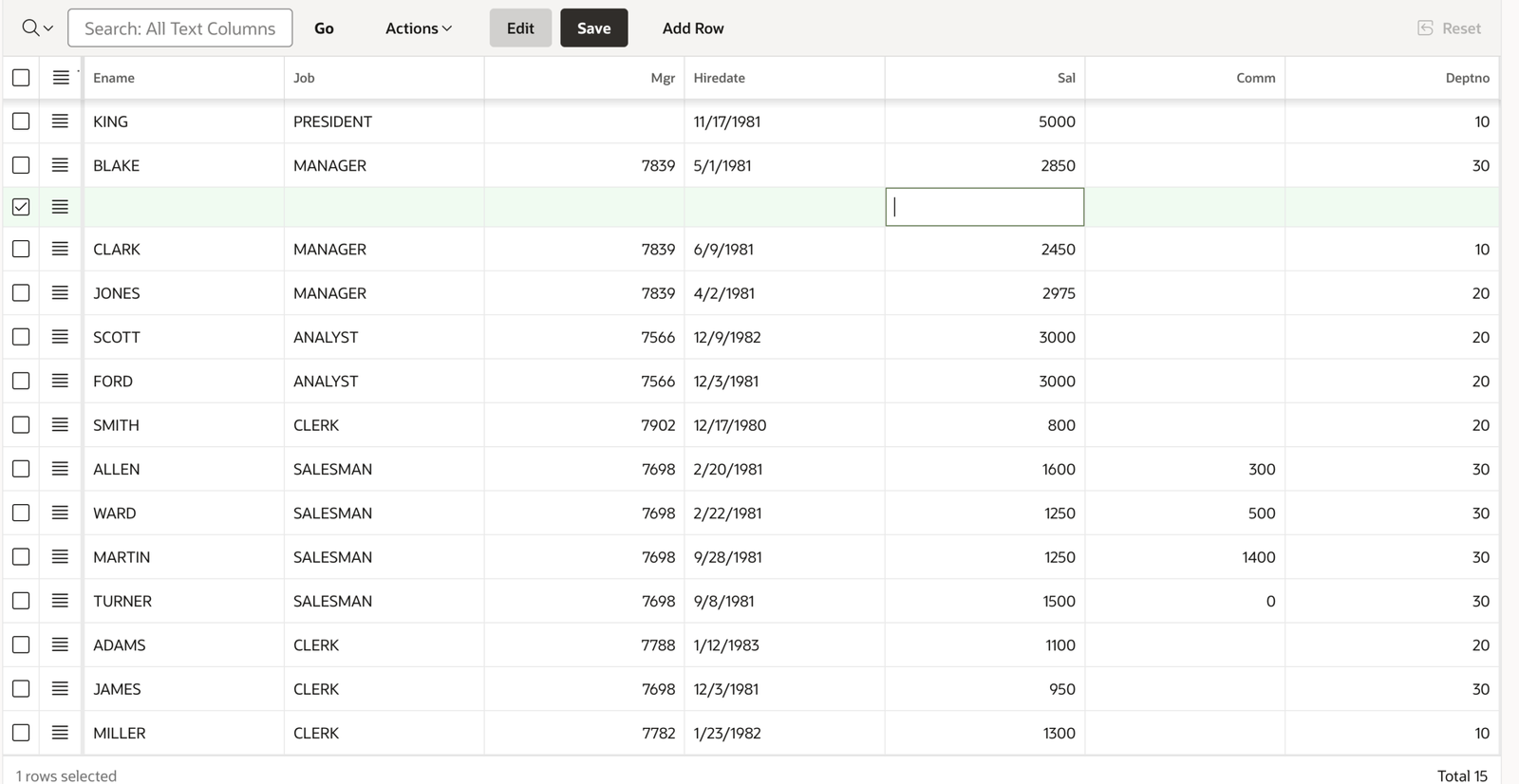
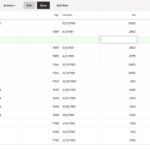








Posted inOracle APEX📊 Dynamically Calculate Total in Editable Interactive Grid (Oracle APEX + JavaScript)🔹 About This step-by-step blog explains how to dynamically calculate and display the total (SUM) of a column… Posted by Bhavin Adhvaryu April 28, 2026No Comments Posted inOracle APEX🚀 Mastering Oracle APEX Shared ComponentsDefinition with Real-Time Examples (Structured Guide) In Oracle APEX, Shared Components act as a central reusable repository where… Posted by Ankur Rai April 18, 2026No Comments Posted inOracle APEX⚡ Revolutionize Your Workflow with Oracle APEX AutomationsIn today’s fast-paced application landscape, relying on manual monitoring is outdated. What if your application could automatically track… Posted by Ankur Rai April 10, 2026No Comments Posted inOracle APEX🚫 Disabling Other Tabs Except Active Tab in Oracle APEXIn modern web applications, improving user experience and preventing unintended data loss is critical. One common requirement is… Posted by Bhavin Adhvaryu April 8, 2026No Comments Posted inPL/SQL📚 Complete Guide to PL/SQL Collections (With Examples)Working with multiple rows of data efficiently is a common requirement in PL/SQL. This is where Collections come… Posted by Ankur Rai April 7, 2026No Comments Posted inOracle APEX📊 Building an Interactive Organisational Chart in Oracle APEX (2 Powerful Approaches)Visualizing hierarchy is one of the most common requirements in enterprise applications—especially for employee structures. In Oracle APEX,… Posted by Ankur Rai April 3, 2026No Comments
Posted inOracle APEX🚀 Mastering Oracle APEX Shared ComponentsDefinition with Real-Time Examples (Structured Guide) In Oracle APEX, Shared Components act as a central reusable repository where… Posted by Ankur Rai April 18, 2026No Comments Posted inOracle APEX⚡ Revolutionize Your Workflow with Oracle APEX AutomationsIn today’s fast-paced application landscape, relying on manual monitoring is outdated. What if your application could automatically track… Posted by Ankur Rai April 10, 2026No Comments Posted inOracle APEX🚫 Disabling Other Tabs Except Active Tab in Oracle APEXIn modern web applications, improving user experience and preventing unintended data loss is critical. One common requirement is… Posted by Bhavin Adhvaryu April 8, 2026No Comments Posted inPL/SQL📚 Complete Guide to PL/SQL Collections (With Examples)Working with multiple rows of data efficiently is a common requirement in PL/SQL. This is where Collections come… Posted by Ankur Rai April 7, 2026No Comments Posted inOracle APEX📊 Building an Interactive Organisational Chart in Oracle APEX (2 Powerful Approaches)Visualizing hierarchy is one of the most common requirements in enterprise applications—especially for employee structures. In Oracle APEX,… Posted by Ankur Rai April 3, 2026No Comments
Posted inOracle APEX⚡ Revolutionize Your Workflow with Oracle APEX AutomationsIn today’s fast-paced application landscape, relying on manual monitoring is outdated. What if your application could automatically track… Posted by Ankur Rai April 10, 2026No Comments Posted inOracle APEX🚫 Disabling Other Tabs Except Active Tab in Oracle APEXIn modern web applications, improving user experience and preventing unintended data loss is critical. One common requirement is… Posted by Bhavin Adhvaryu April 8, 2026No Comments Posted inPL/SQL📚 Complete Guide to PL/SQL Collections (With Examples)Working with multiple rows of data efficiently is a common requirement in PL/SQL. This is where Collections come… Posted by Ankur Rai April 7, 2026No Comments Posted inOracle APEX📊 Building an Interactive Organisational Chart in Oracle APEX (2 Powerful Approaches)Visualizing hierarchy is one of the most common requirements in enterprise applications—especially for employee structures. In Oracle APEX,… Posted by Ankur Rai April 3, 2026No Comments
Posted inOracle APEX🚫 Disabling Other Tabs Except Active Tab in Oracle APEXIn modern web applications, improving user experience and preventing unintended data loss is critical. One common requirement is… Posted by Bhavin Adhvaryu April 8, 2026No Comments Posted inPL/SQL📚 Complete Guide to PL/SQL Collections (With Examples)Working with multiple rows of data efficiently is a common requirement in PL/SQL. This is where Collections come… Posted by Ankur Rai April 7, 2026No Comments Posted inOracle APEX📊 Building an Interactive Organisational Chart in Oracle APEX (2 Powerful Approaches)Visualizing hierarchy is one of the most common requirements in enterprise applications—especially for employee structures. In Oracle APEX,… Posted by Ankur Rai April 3, 2026No Comments
Posted inPL/SQL📚 Complete Guide to PL/SQL Collections (With Examples)Working with multiple rows of data efficiently is a common requirement in PL/SQL. This is where Collections come… Posted by Ankur Rai April 7, 2026No Comments Posted inOracle APEX📊 Building an Interactive Organisational Chart in Oracle APEX (2 Powerful Approaches)Visualizing hierarchy is one of the most common requirements in enterprise applications—especially for employee structures. In Oracle APEX,… Posted by Ankur Rai April 3, 2026No Comments
Posted inOracle APEX📊 Building an Interactive Organisational Chart in Oracle APEX (2 Powerful Approaches)Visualizing hierarchy is one of the most common requirements in enterprise applications—especially for employee structures. In Oracle APEX,… Posted by Ankur Rai April 3, 2026No Comments
Posted inOracle APEX 🚀 Implementing a Clear Icon Button in Popup LOV Using APEX ShortcutsIn many Oracle APEX applications, Popup LOV items are used to allow users to search and select values… Posted by Bhavin Adhvaryu March 22, 2026No Comments
Posted inOracle APEX 🚀 How to Define Environment Banner in Oracle APEX (DEV, TEST, PROD) – Step-by-Step GuideWhen working with multiple Oracle APEX environments such as Development, Test, and Production, it is very easy for… Posted by Ankur Rai March 8, 20262
Posted inOracle APEX 🎨 Enhancing Popup LOV in Oracle APEX with Custom TemplatesOne of the most powerful and user-friendly item types in Oracle APEX is the Popup LOV (List of… Posted by Ankur Rai March 7, 2026No Comments
Posted inOracle APEX 🔍 Ultimate Guide to Oracle APEX Metadata Views(Complete Developer Reference with Sample Queries) Oracle APEX stores everything as metadata. Every page, region, item, process, automation,… Posted by Ankur Rai March 1, 2026No Comments
Posted inOracle APEX 🧩 How to Create a Kanban Board in Oracle APEX Using Material Kanban Board PluginKanban boards are one of the most powerful ways to manage tasks visually. In this blog, I’ll walk… Posted by Ankur Rai February 28, 2026No Comments
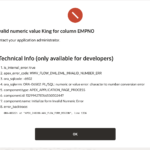
Posted inOracle APEX Invalid Numeric Value in Oracle APEX? The Hidden Comma Problem in URL Parameters ExplainedA Real-World Lesson on Passing Page Items Safely in Oracle APEX 🔍 The Issue Faced in Production Recently,… Posted by Ankur Rai February 24, 2026No Comments
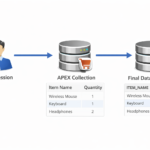
Posted inOracle APEX Using Collections in Oracle APEX with Real ScenariosIntroduction Oracle APEX Collections are temporary, in-memory data structures that live inside a user session. They are extremely… Posted by Ankur Rai February 21, 2026No Comments
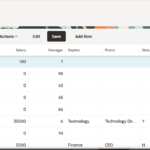
Posted inOracle APEX 🔒 Interactive Grid: Lock / Unlock Rows in Oracle APEXIntroduction This document explains how to implement a Lock / Unlock functionality in an Oracle APEX Interactive Grid.… Posted by Ankur Rai February 17, 20262
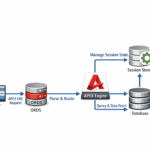
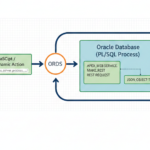
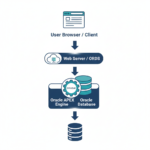
Posted inOracle APEX APEX URL Structure and Session Management ExplainedIntroduction Every Oracle APEX developer has seen URLs like this: f?p=100:1:1234567890::::: But very few truly understand: What each… Posted by Ankur Rai February 11, 2026No Comments
Posted inOracle APEX Performance Tuning Tips for Large Oracle APEX ApplicationsWhen Oracle APEX applications grow—more users, more data, more pages—performance becomes critical. A slow APEX app frustrates users… Posted by Ankur Rai February 9, 2026No Comments
Posted inOracle APEX Using REST APIs in Oracle APEX (Consume & Expose)Introduction In real-world applications, Oracle APEX rarely works in isolation. Modern applications need to talk to other systems—fetch… Posted by Ankur Rai February 9, 2026No Comments