Latest Posts
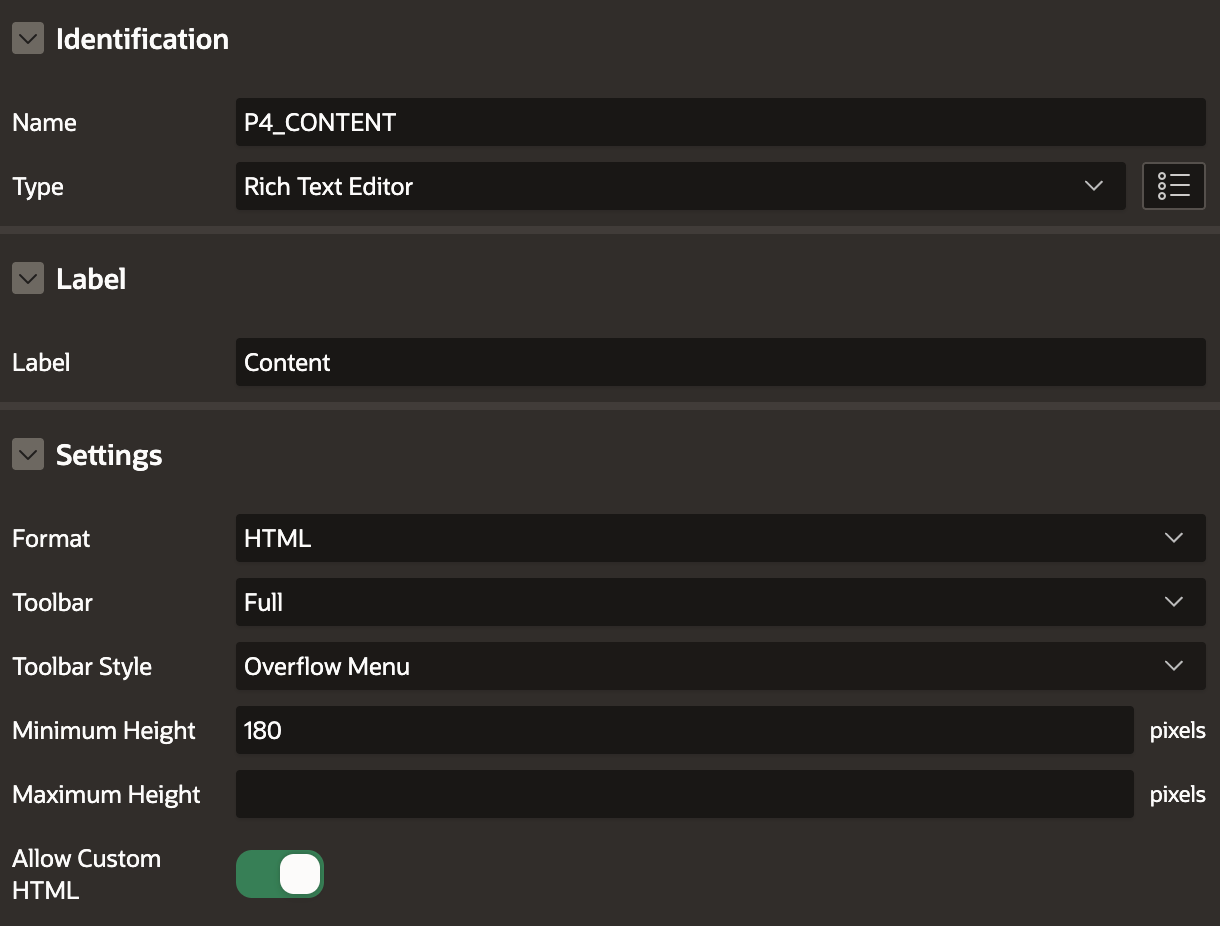
🖼️ How to Enable Image Upload Inside the Rich Text Editor in Oracle APEX

1. Introduction This article explains How to Enable Image Upload Inside the Rich Text Editor in Oracle APEX. The solution is implemented using a combination of Oracle APEX and JavaScript. 2. Tools and Technologies To achieve the desired functionality, the following technologies are used: 3. Business Requirement Users currently use the Rich Text Editor (RTE) in Oracle APEX…
🧩 How to Create a Footer in Oracle APEX – Step by Step Guide

1. Introduction In many web applications, the footer is an essential element that helps with branding, navigation, and providing important information like contact details, copyright, terms & conditions, or quick links. In Oracle APEX, there is no direct region type called “Footer”, so we need to design it using static regions + HTML + CSS, and…
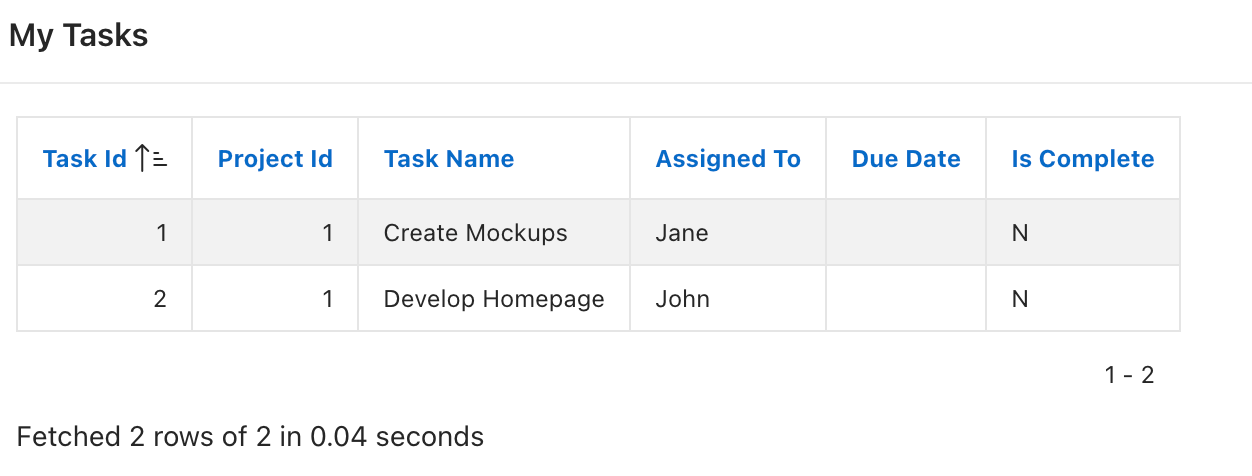
⏱️ Display Report Execution Time Using #TIMING# in Oracle APEX

1. Introduction This article explains How to Enable Image Upload Inside the Display Report Execution Time Using #TIMING# in Oracle APEX. The solution is implemented using a combination of Oracle APEX. 2. Tools and Technologies To achieve the desired functionality, the following technologies are used: 3. Business Requirement Users frequently access data-heavy reports within the Oracle…
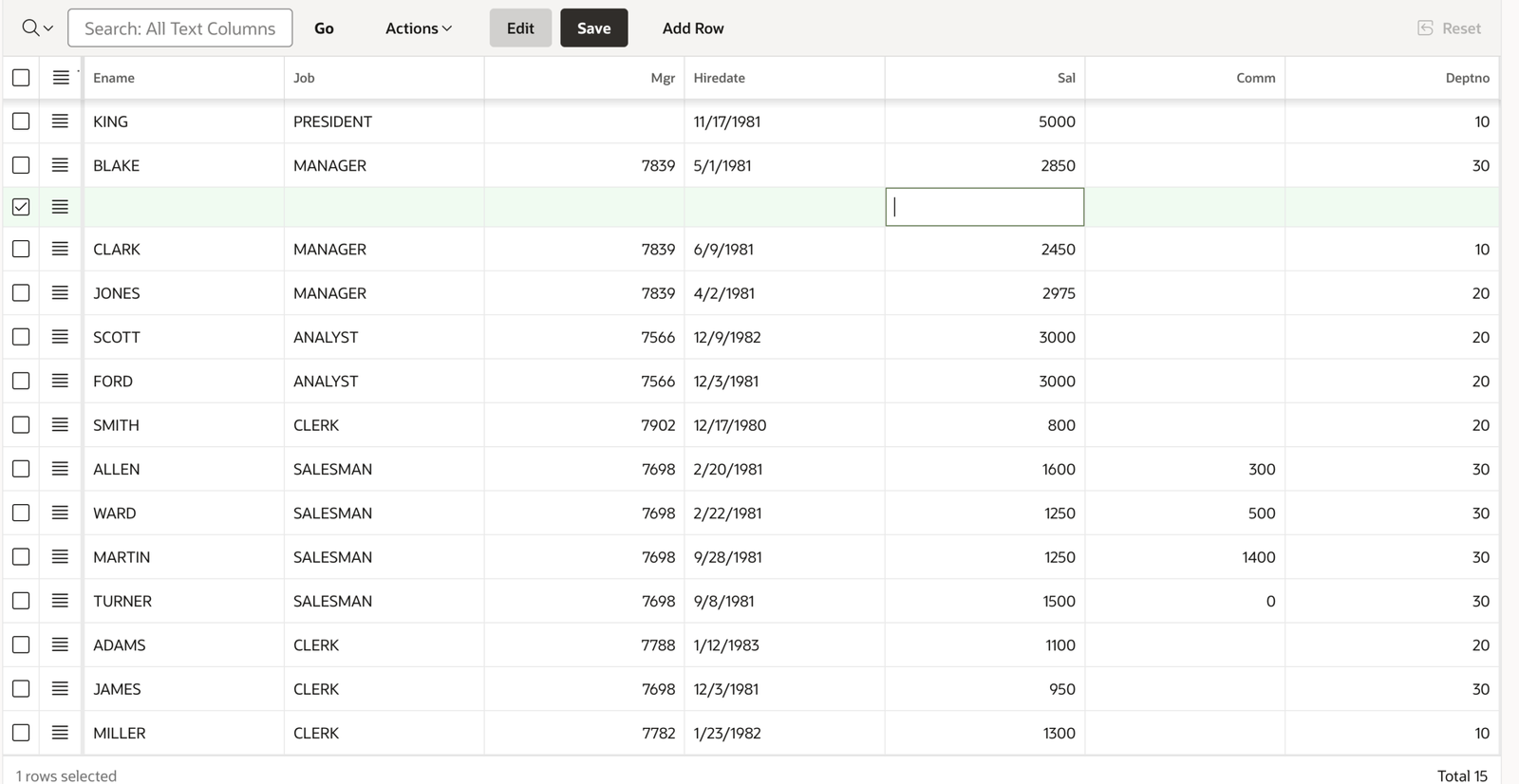
➕🎯 Add Row with Auto Focus on specific Column in Interactive Grid in Oracle APEX

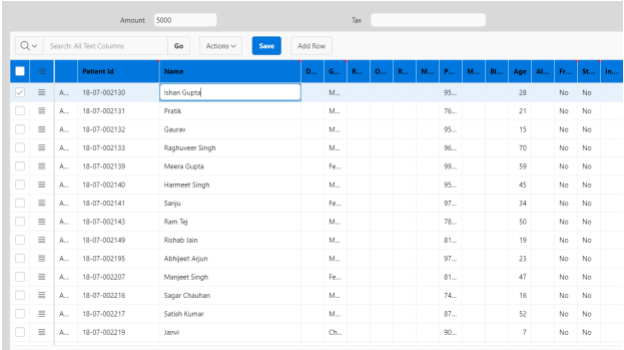
1. Introduction This article explains How to Add Row with Auto Focus on specific Column in Interactive Grid. The solution is implemented using a combination of Oracle APEX and Javascript. 2. Tools and Technologies To achieve the desired functionality, the following technologies are used: 3. Business Requirement The business requires an enhanced data entry experience in the Oracle…
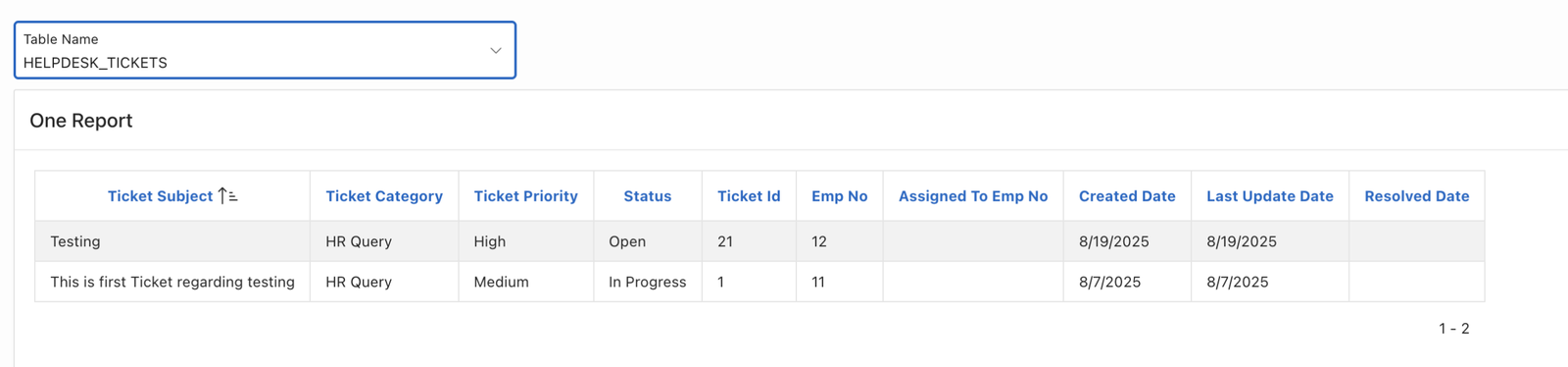
🔄 Dynamic Reports in Oracle APEX: Display Table Data Based on Select List Selection

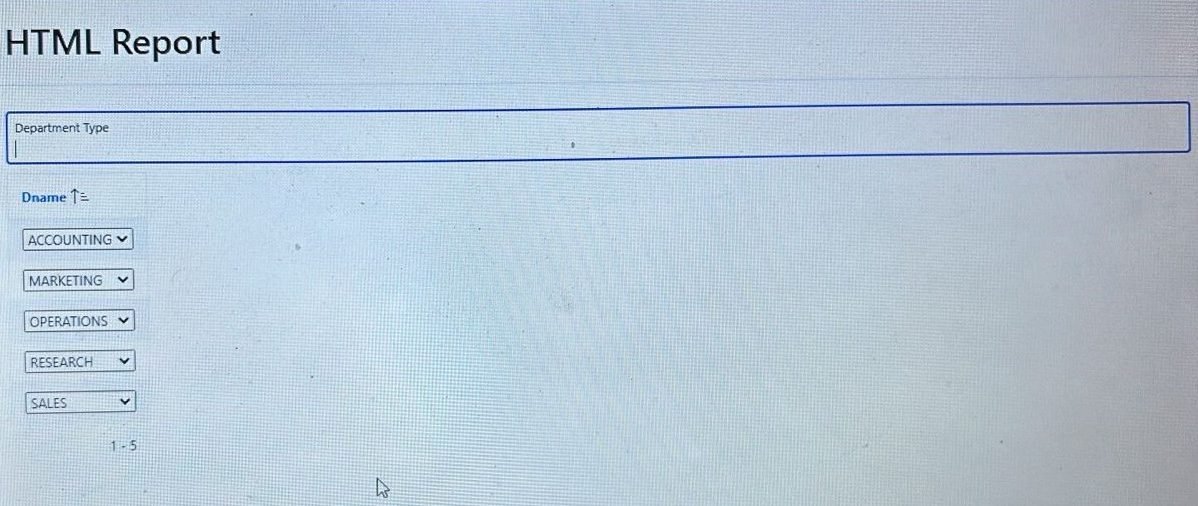
1. Introduction This article explains how to Fetch & Display Table Data Dynamically from Dropdown in Oracle APEX. The solution is implemented using a combination of SQL/PL/SQL and Oracle APEX. 2. Tools and Technologies To achieve the desired functionality, the following technologies are used: 3. Business Requirement The organization needs a flexible reporting feature in Oracle APEX where users can select…
👉 Copy to Clipboard in Oracle APEX: A Step-by-Step Guide

1. Introduction This article explains How to create Copy to Clipboard in Oracle APEX. The solution is implemented using a combination of Oracle APEX, Javascript and CSS. 2. Tools and Technologies To achieve the desired functionality, the following technologies are used: 3. Business Requirement Business users frequently need to copy key information such as IDs, reference numbers, URLs,…
➕ Create a Floating Action Button (FAB) in Oracle APEX

1. Introduction This article explains How to Create a Floating Action Button (FAB) in Oracle APEX. The solution is implemented using a combination of Oracle APEX and CSS. 2. Tools and Technologies To achieve the desired functionality, the following technologies are used: 3. Business Requirement Users frequently perform key actions such as Create, Add, Upload, or Submit within Oracle APEX applications.…
🔁 Return to the Same Page and Row in an Interactive Grid After Navigating Back in Oracle APEX

1. Overview This post explains how to automatically return to the same row and page in an Interactive Grid (IG) after navigating away and coming back to the report. The solution ensures that the user’s position and selected record remain intact, enhancing the overall user experience. This functionality is achieved using JavaScript and Oracle APEX page items. 2. Technologies and Tools Used…
📊 Improving Reports Readability in Oracle APEX with No-Wrap Columns

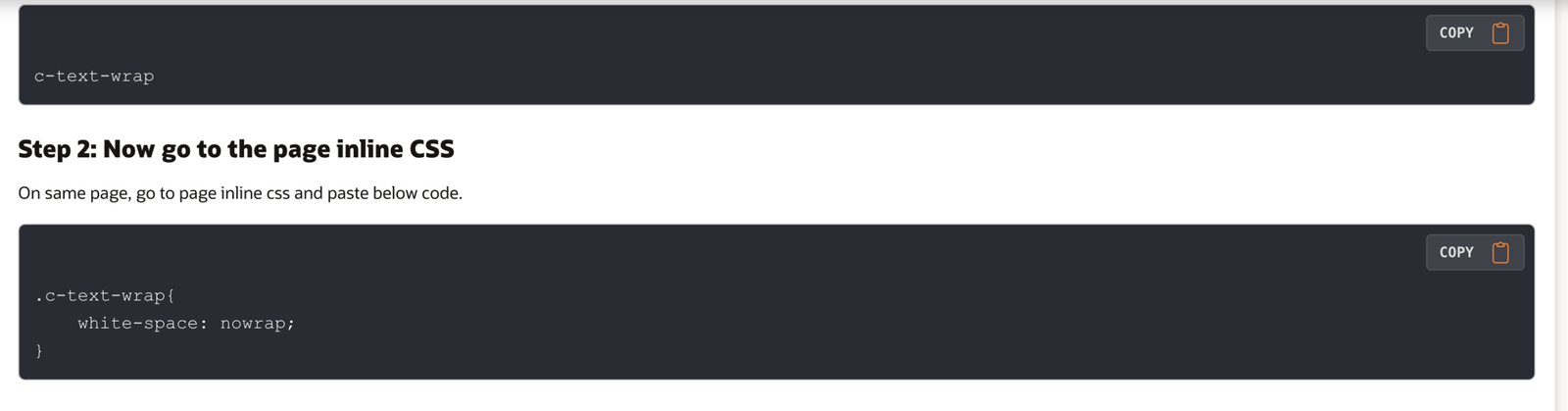
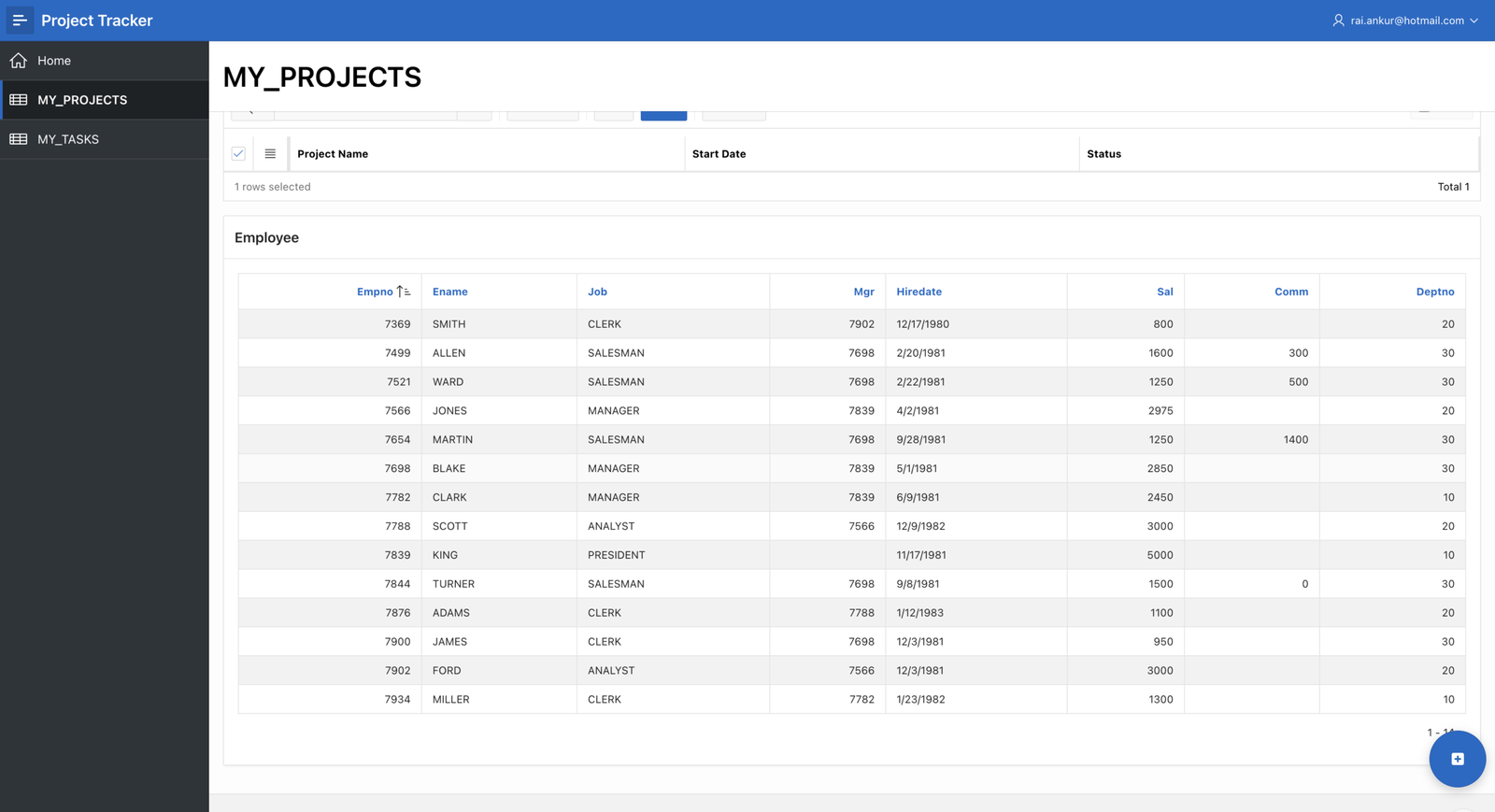
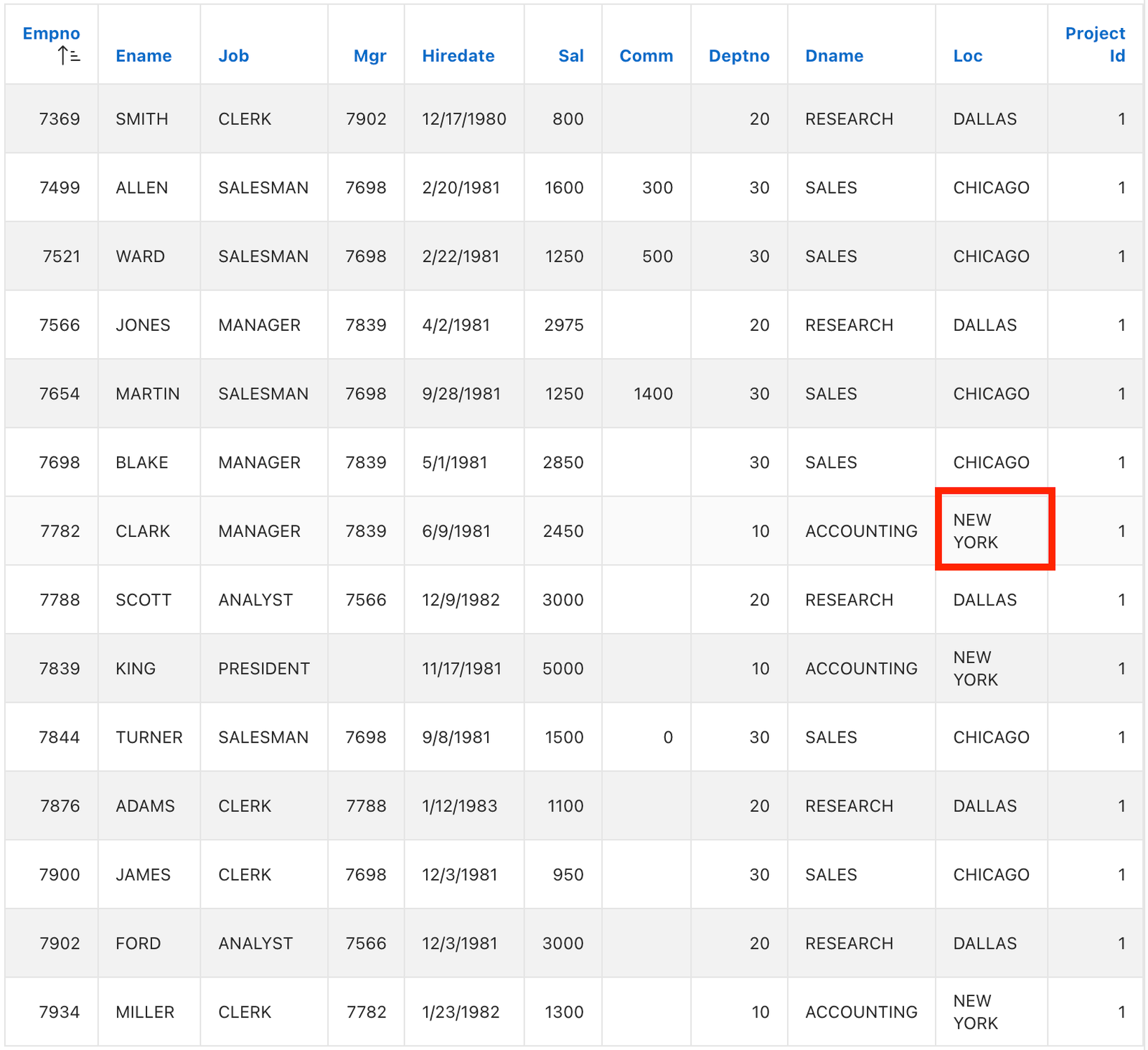
1. Introduction This article explains How to Improve Reports Readability in Oracle APEX with No-Wrap Columns. The solution is implemented using a combination of Oracle APEX and CSS. 2. Tools and Technologies To achieve the desired functionality, the following technologies are used: 3. Business Requirement Business users frequently rely on Oracle APEX reports to review and analyze operational…
⚙️ Configure OKTA Single Sing-On Authentication in Oracle APEX

1. Introduction This article explains how to setup OKTA Single Sing-On Authentication in Oracle APEX. The solution is implemented using a combination of OKTA, SQL/PL/SQL and Oracle APEX. Okta Single Sign-On (SSO) is a cloud-based identity management solution that enables users to access multiple applications and services using a single set of login credentials. It offers a centralized platform…
How to Change OK/Cancel to Proceed/Abort in Oracle APEX Alerts

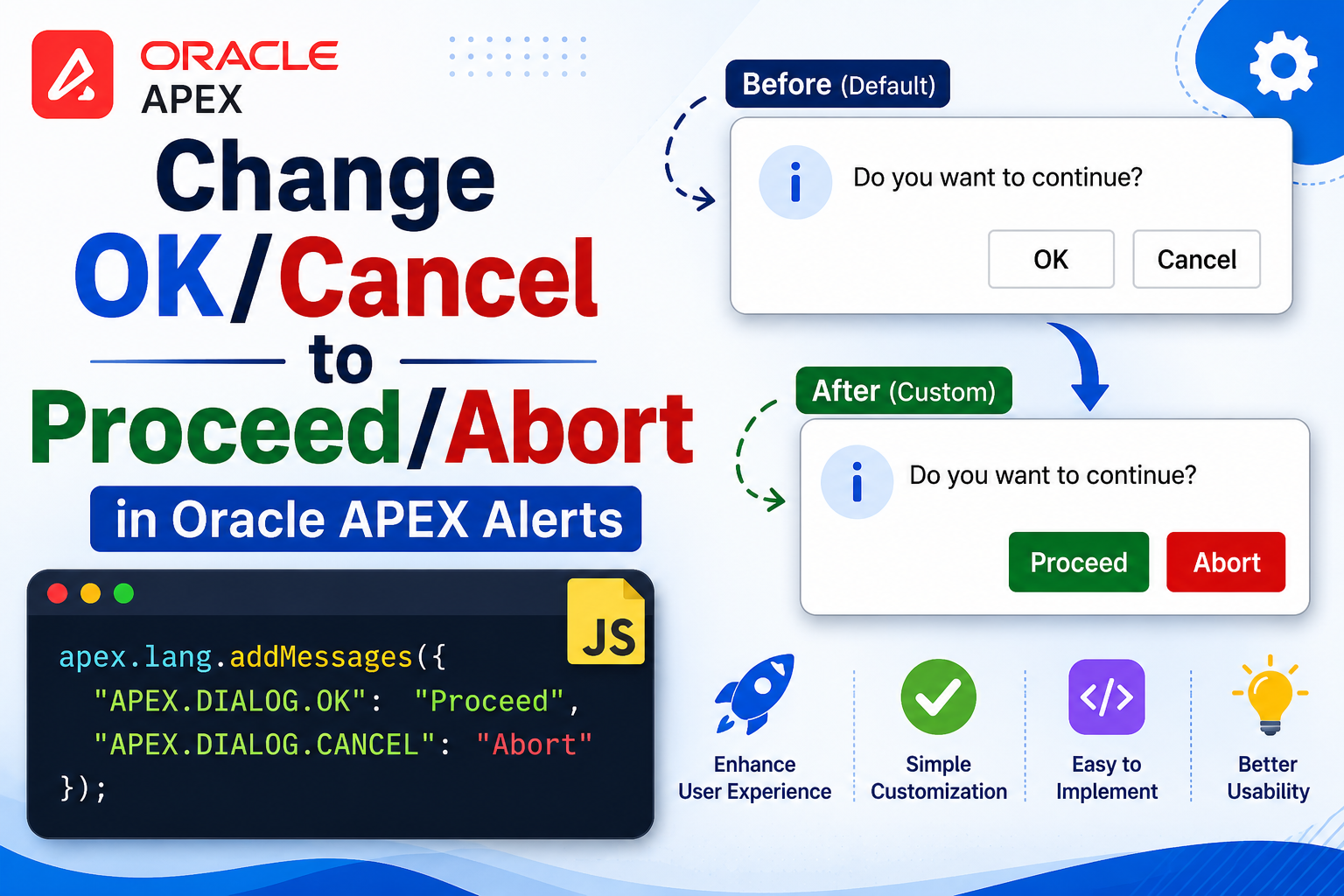
Confirmation dialogs are one of those small UI details that quietly shape how polished an application feels. By default, Oracle APEX shows OK and Cancel on its alert and confirm dialogs. For a lot of use cases, more specific wording communicates the choice better – for example, when a user is about to log out…
⌨️ Custom Navigation from Page Item to Interactive Grid Column on Tab Press in Oracle APEX

1. Overview This article explains how to implement custom navigation in Oracle APEX, where pressing the Tab key moves focus directly from a page item to a specific column in an Interactive Grid (IG). Why do we need this? In certain scenarios, a user may need to enter a mandatory value in a page item and then skip intermediate fields, jumping…
🔎 Focus on the First Editable Page Item in Oracle APEX

1. Introduction This article explains how to automatically set the focus on the first editable page item when a page loads in Oracle APEX. The solution is implemented using a combination of SQL/PL/SQL and JavaScript. 2. Tools and Technologies To achieve the desired functionality, the following technologies are used: 3. Business Requirement In many applications, users expect the cursor to…
📊 Download APEX Chart as Image Using JavaScript

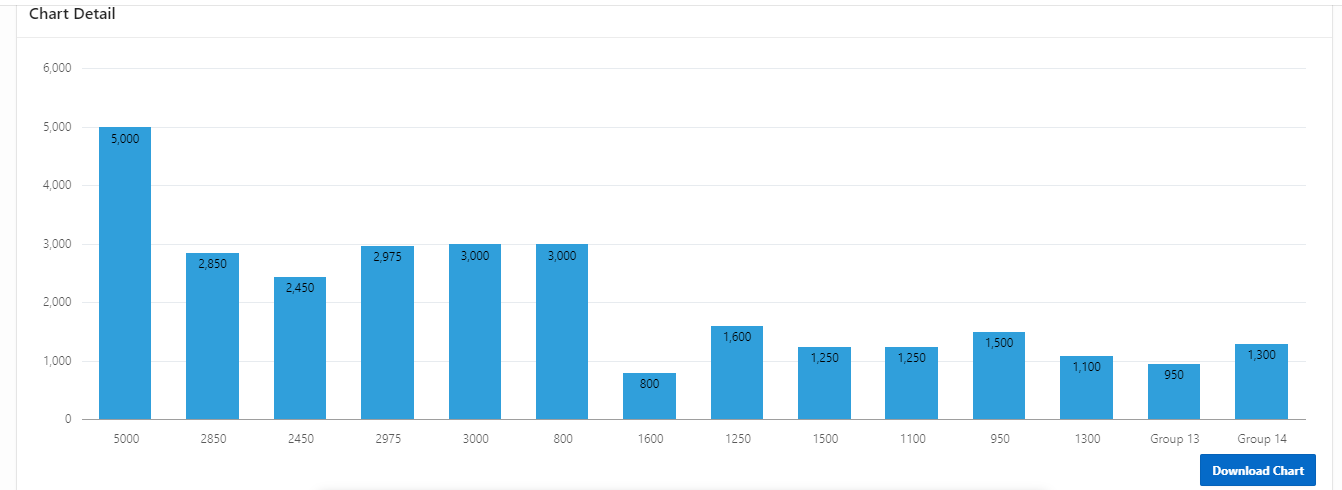
1. Overview In this post, you’ll learn how to download a chart created in Oracle APEX as an image file using JavaScript. You might wonder – why would I need to download a chart as an image?A common use case is when you want to share the chart via email or include it in a document. Converting the…
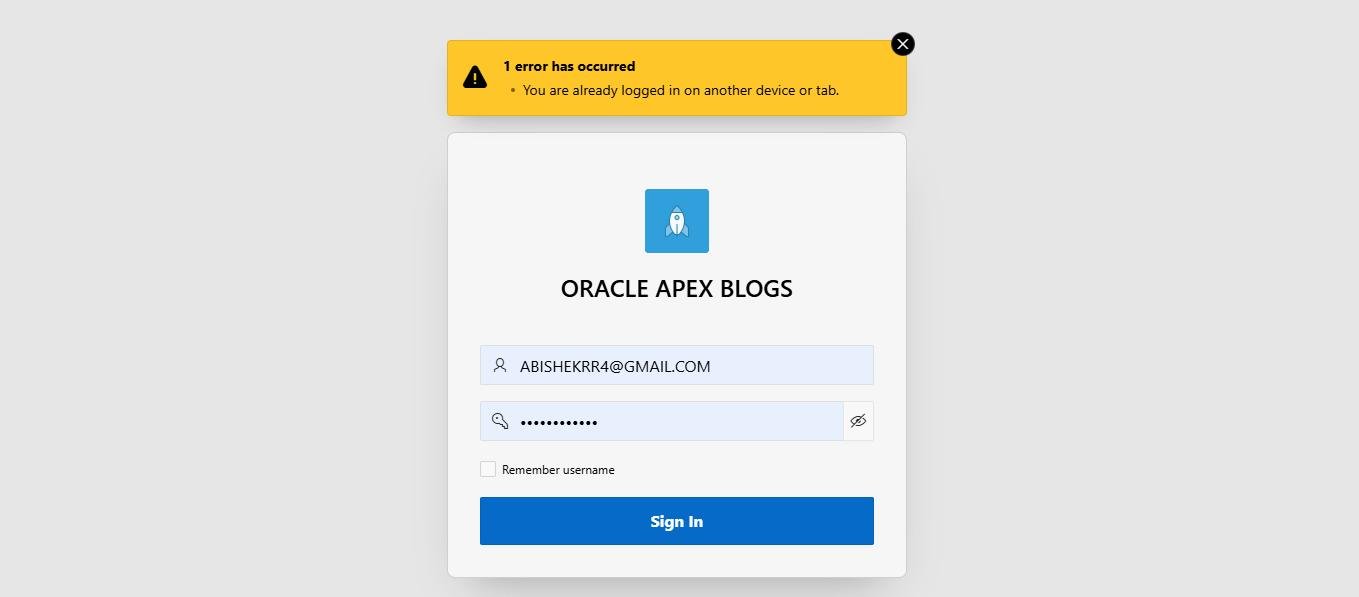
⚠️ Prevent Duplicate Tabs to open in Oracle APEX Using JavaScript

1. Introduction This article explains how to automatically set the focus on the Prevent Duplicate Tabs to open in Oracle APEX Using JavaScript when a page loads in Oracle APEX. The solution is implemented using a combination of HTML and JavaScript. 2. Tools and Technologies To achieve the desired functionality, the following technologies are used: 3. Business Requirement Allowing multiple…
Creating a Real-Time Dashboard with APEX and WebSockets

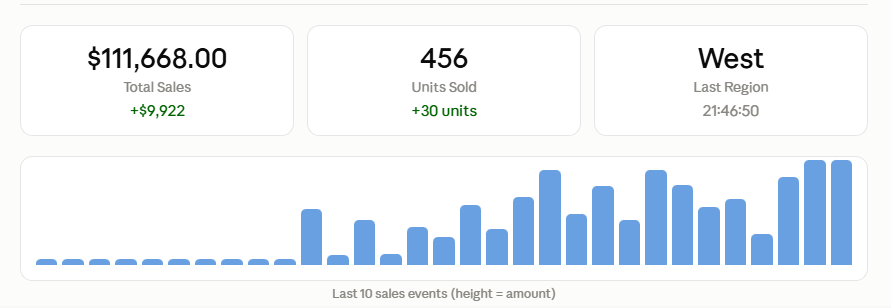
A step-by-step guide to building live, push-based dashboards in Oracle APEX with a complete working example using Oracle Advanced Queuing and WebSockets. What are WebSockets and why APEX needs them Traditional APEX dashboards rely on page refreshes or Ajax polling, where the browser repeatedly asks the server, “Is there anything new?” This wastes bandwidth, increases…
Same Row. Same Value. Two Different Results. Here’s Why.

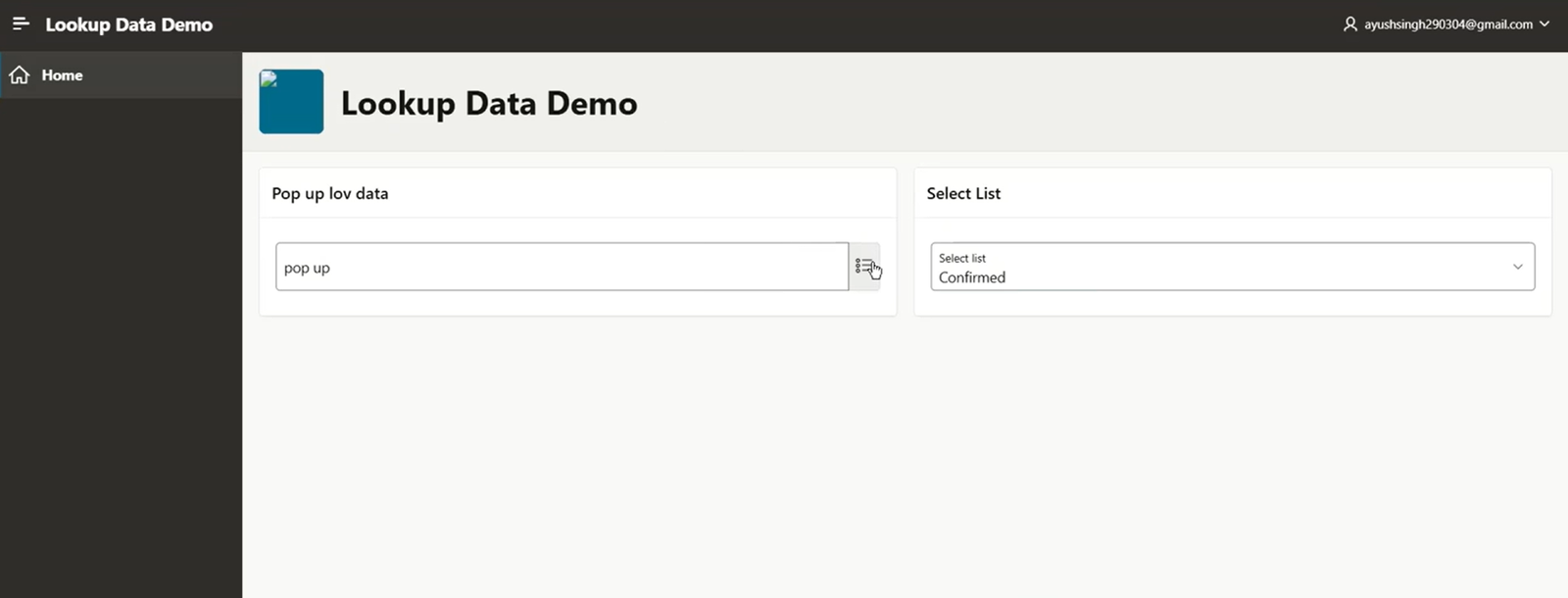
Same table. Same row. One APEX component rendered it without complaint. The other looked atthe exact same value and insisted it didn’t exist.I checked the SQL – fine. I checked the JavaScript – fine. I checked the Popup LOV’s settings,attribute by attribute – fine. So I started debugging properly. Same Query, Two Components – One…
🔐 Verify Users from LDAP Directory in Oracle APEX

1. Introduction This guide explains how to verify whether a user exists in an LDAP directory using Oracle APEX and PL/SQL. In some scenarios, you may need to check if a user account is present in the LDAP directory before allowing access or performing specific actions. This document outlines the steps to implement such verification. 2. Technologies Used 3. Why…
⚡ Mastering Quick SQL in Oracle APEX: Generate Database Objects in Seconds

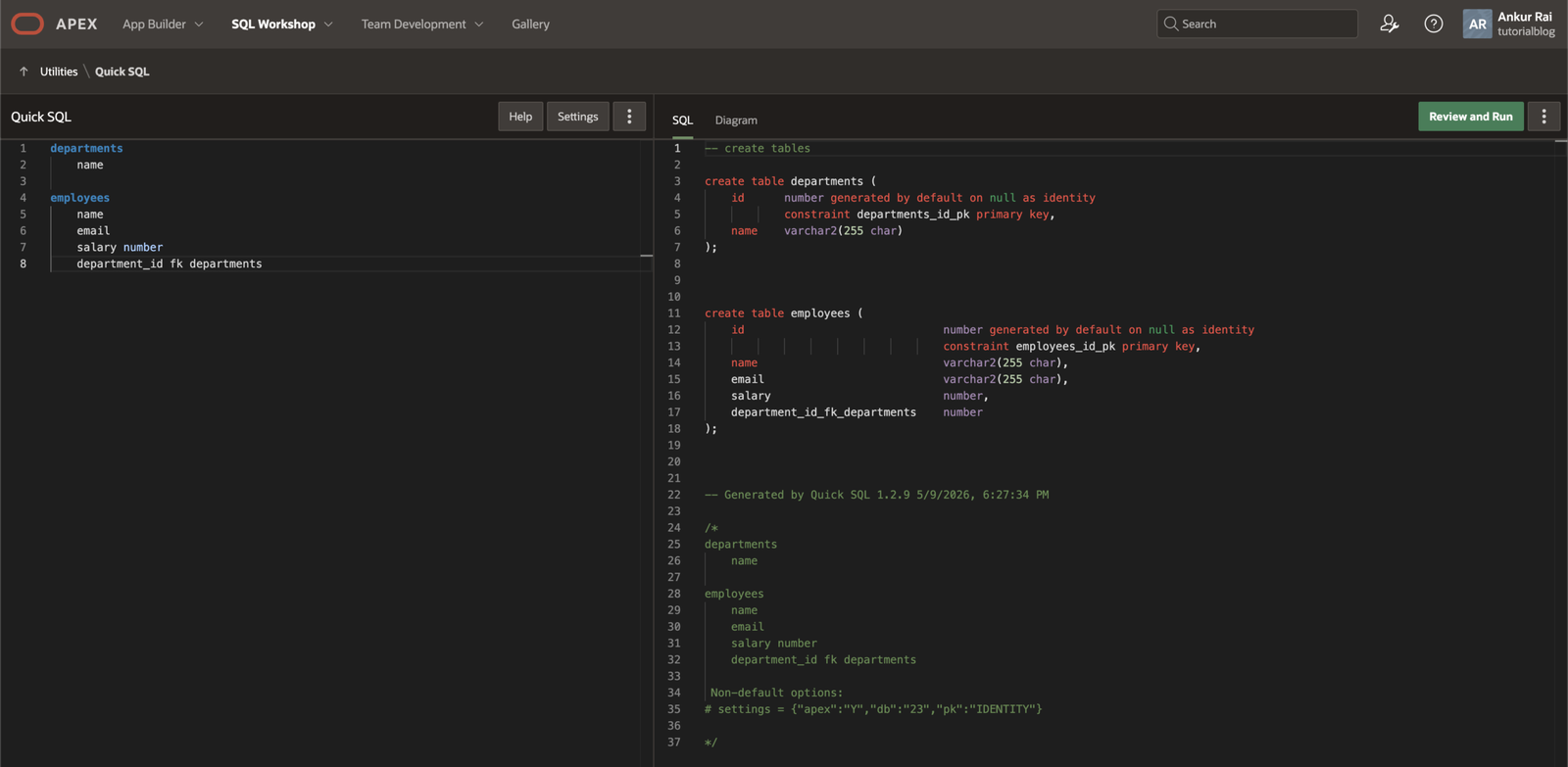
🔹 About Creating database tables, relationships, triggers, and sample data manually can be time-consuming during application development. That’s where Quick SQL in Oracle APEX becomes a game changer. Quick SQL allows developers to generate: ✅ Tables✅ Relationships✅ Constraints✅ Triggers✅ Sample Data✅ APIs using a very simple shorthand syntax. In this blog, we’ll explore how Quick…
🔍 Integrating Google Search Console with Oracle APEX Applications

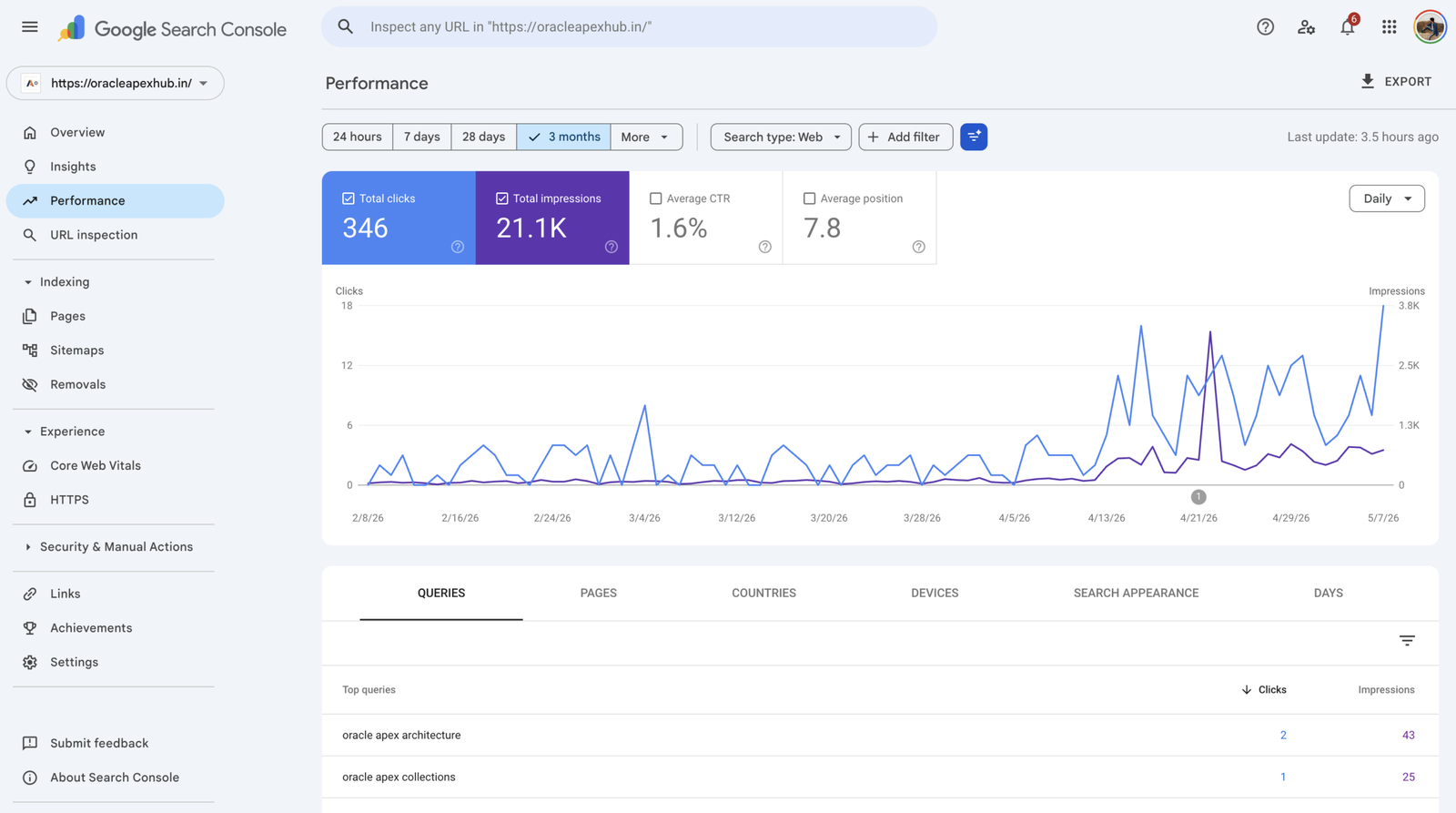
🔹 About If your Oracle APEX application is publicly accessible, integrating it with Google Search Console is essential for improving search visibility, monitoring indexing, and optimizing SEO performance. In this blog, we’ll learn how to connect an Oracle APEX application with Google Search Console to: ✅ Monitor search performance✅ Improve SEO visibility✅ Submit sitemaps✅ Detect…
Oracle APEX 26.1: New JavaScript Methods for Interactive Reports
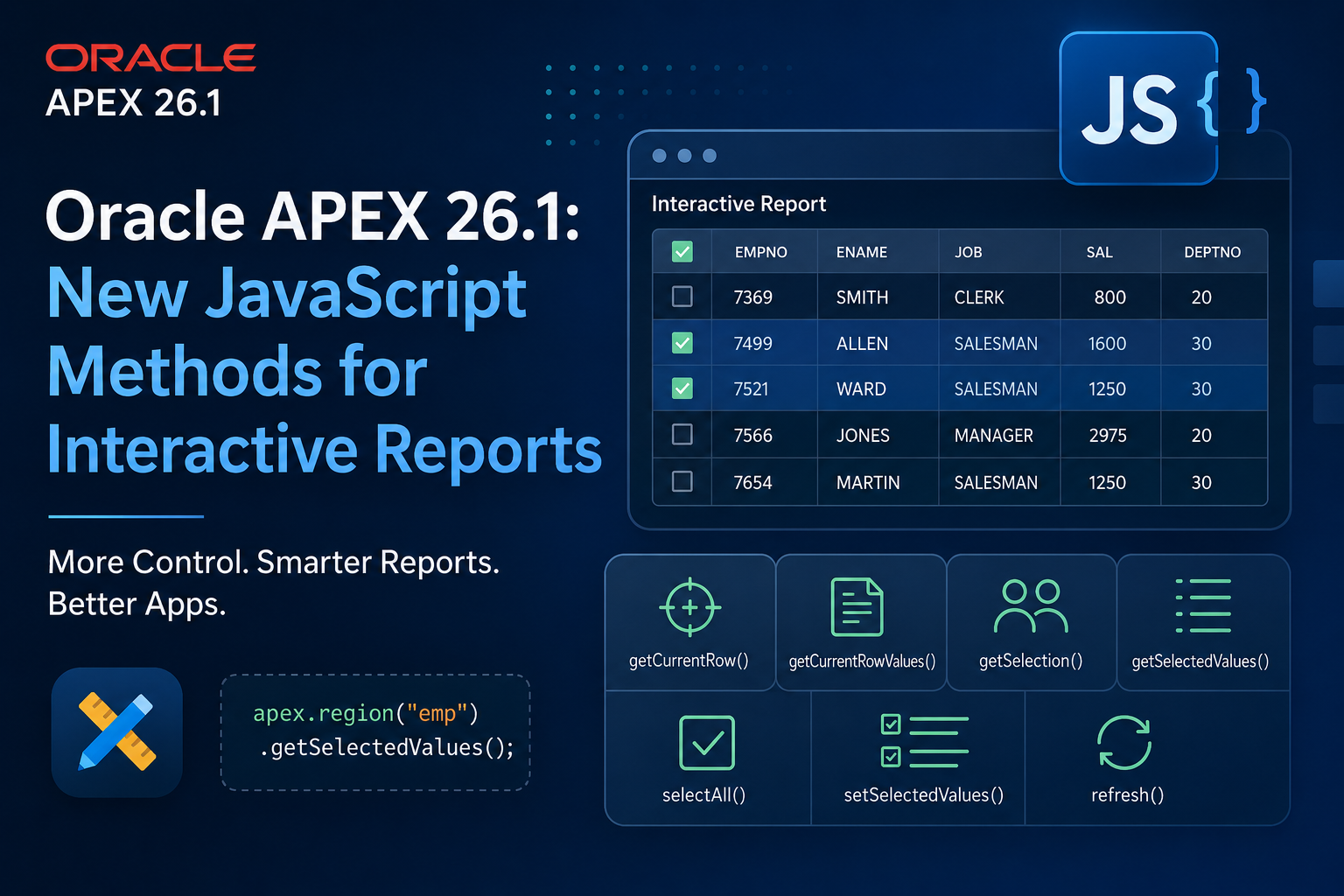
Introduction Oracle APEX 26.1 brings several exciting improvements that make application development faster, cleaner, and more developer-friendly. While features like AI capabilities, APEXLang, and Natural Language support have received a lot of attention, this release also introduces many smaller enhancements that can significantly improve daily development workflows. One of the notable improvements is the enhancement…
🚀 Track User Activity in Oracle APEX Using Google Analytics

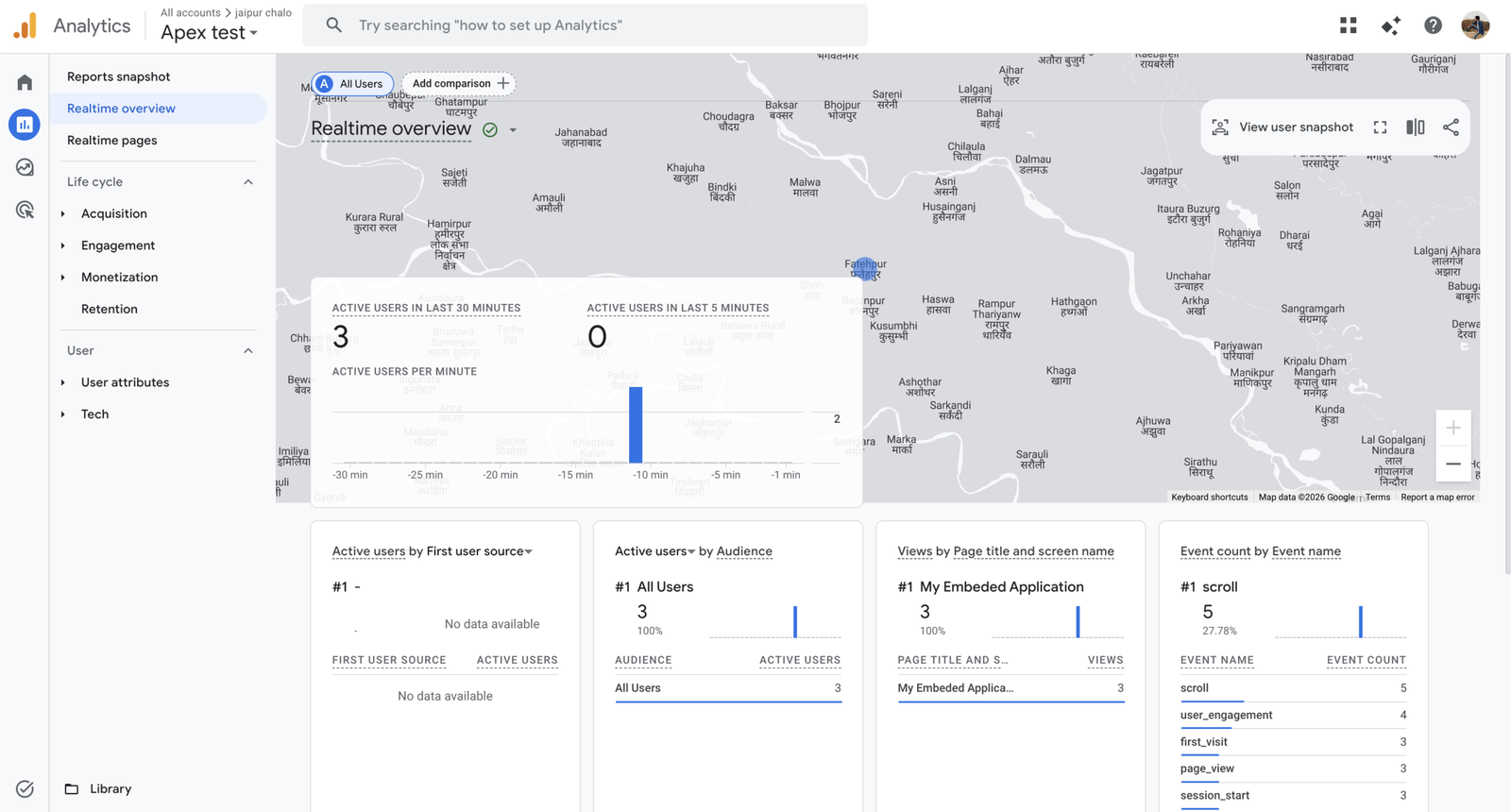
🔹 About Understanding how users interact with your Oracle APEX application is essential for improving usability, tracking engagement, and making data-driven decisions. In this blog, we’ll learn how to integrate Google Analytics (GA4) with Oracle APEX to track: ✅ Page visits✅ User behavior✅ Navigation flow✅ Session analytics✅ Custom events By the end of this guide,…
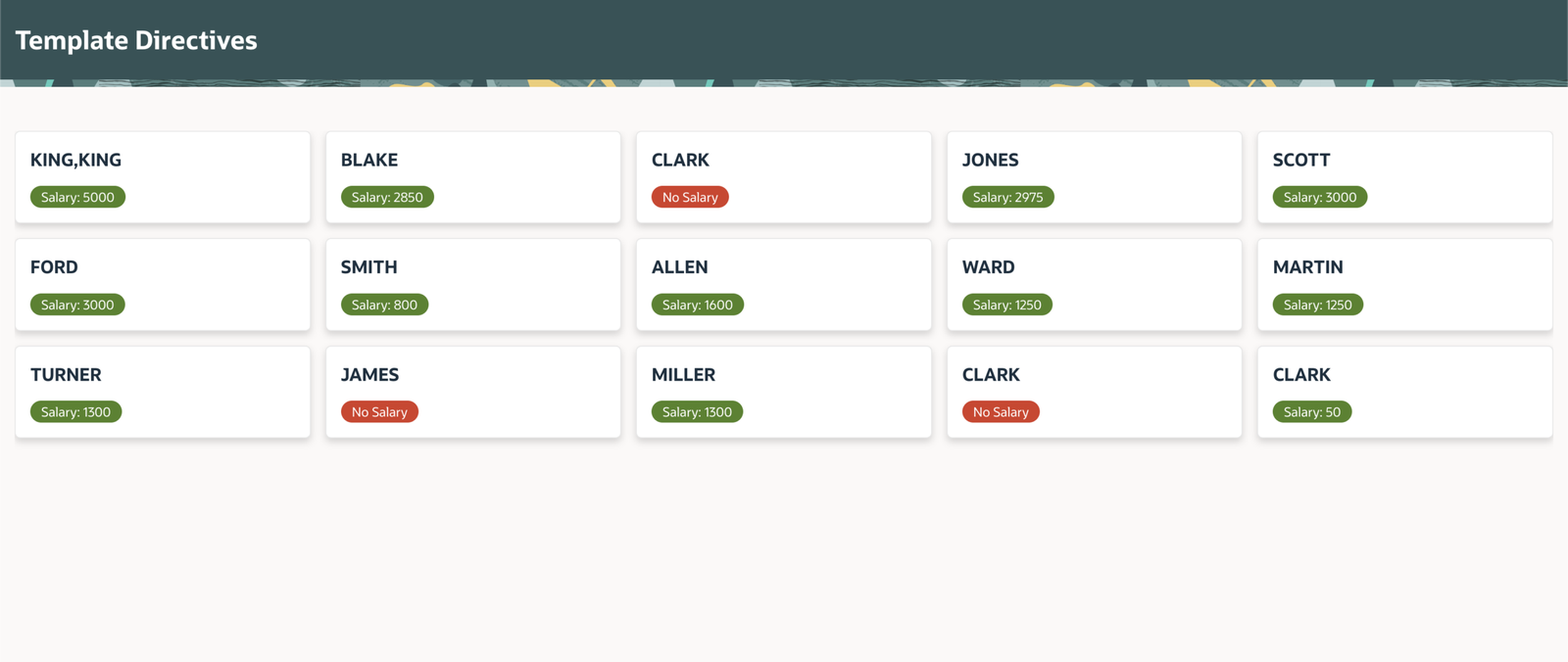
🎨 Mastering Oracle APEX Template Directives with Practical Examples

🔹 About Oracle APEX Template Directives are one of the most powerful features for creating dynamic, reusable, and conditional UI components directly inside templates. They allow developers to: ✅ Add conditional rendering✅ Loop through data✅ Display dynamic content✅ Simplify template customization✅ Reduce JavaScript complexity In this blog, we’ll explore Oracle APEX Template Directives with practical…
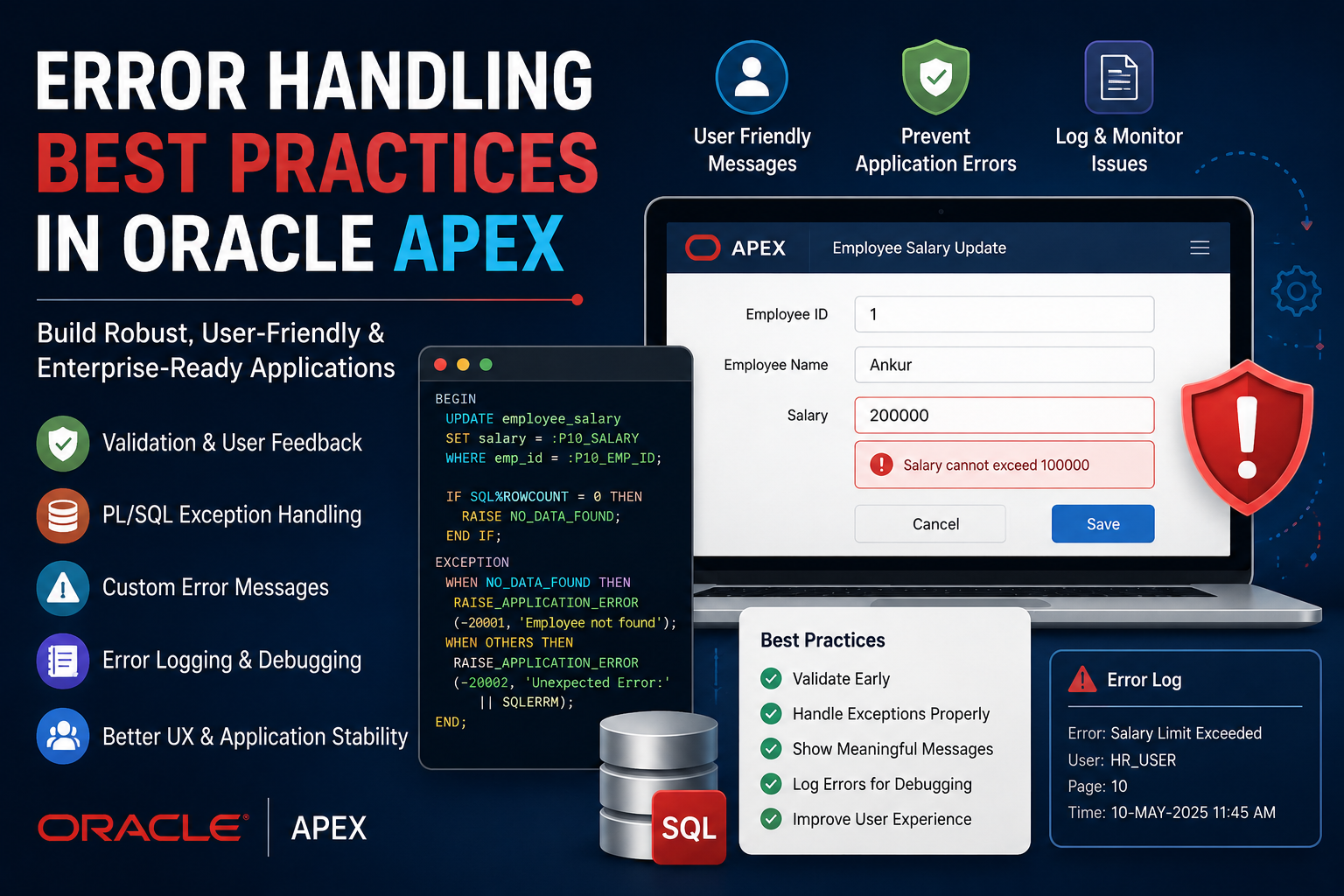
🚨 Error Handling Best Practices in Oracle APEX (With Real-Time Example)
🔹 About No application is perfect. Users may enter invalid data, database operations may fail, APIs may return errors, or unexpected exceptions may occur during execution. Proper error handling is one of the most important parts of building enterprise-grade applications in Oracle APEX. Good error handling helps developers: ✅ Identify issues quickly✅ Improve user experience✅…
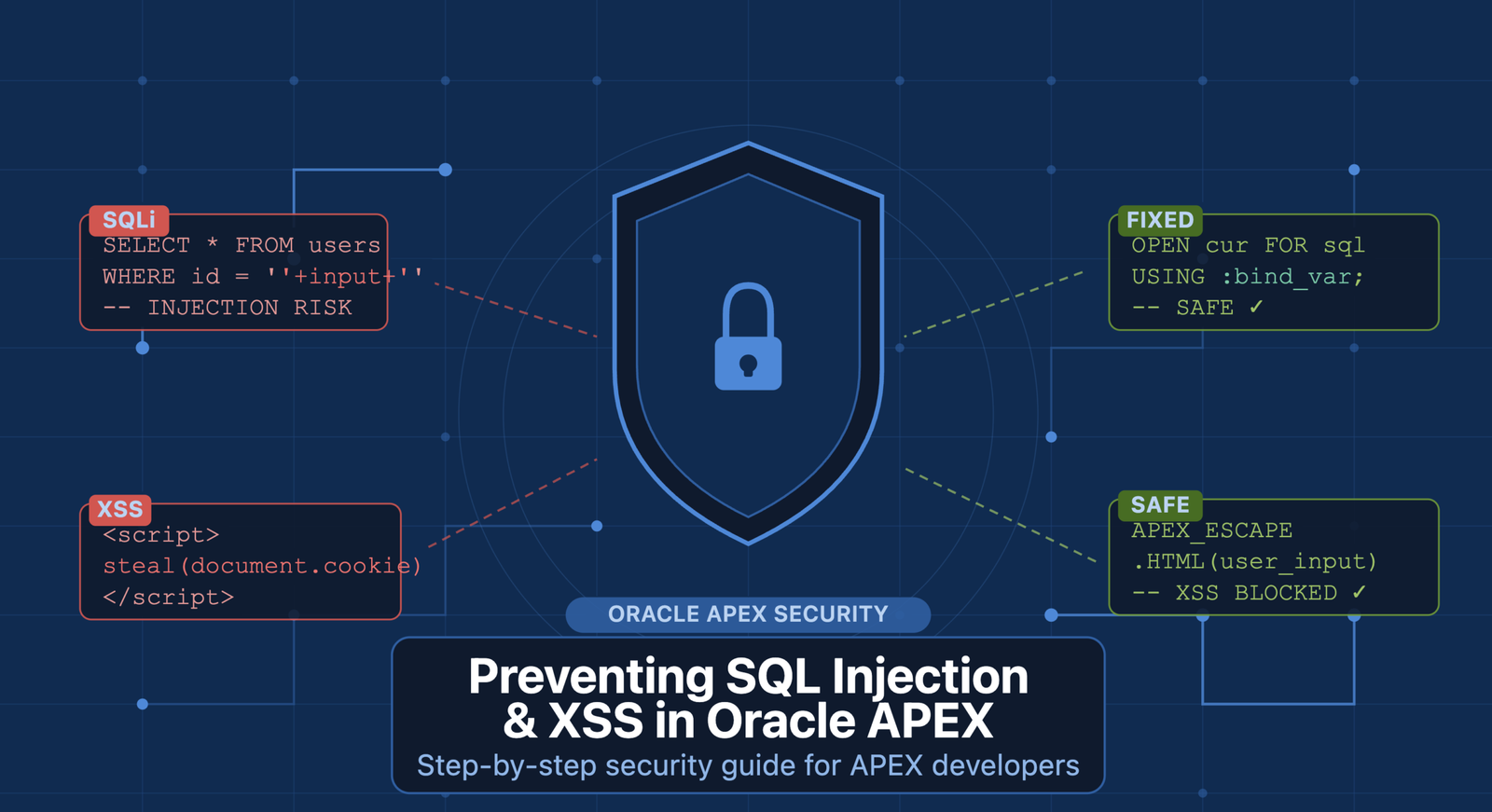
Preventing SQL Injection & XSS in Oracle APEX

Table of Contents What are SQL Injection & XSS? SQL Injection — Real attack scenario Fix 1: Bind variables in PL/SQL Fix 2: DBMS_ASSERT for dynamic identifiers Fix 3: APEX_ESCAPE for output encoding XSS — Real attack scenario Fix 4: Escape Special Characters setting Fix 5: Content Security Policy header Fix 6: Safe Dynamic Actions…
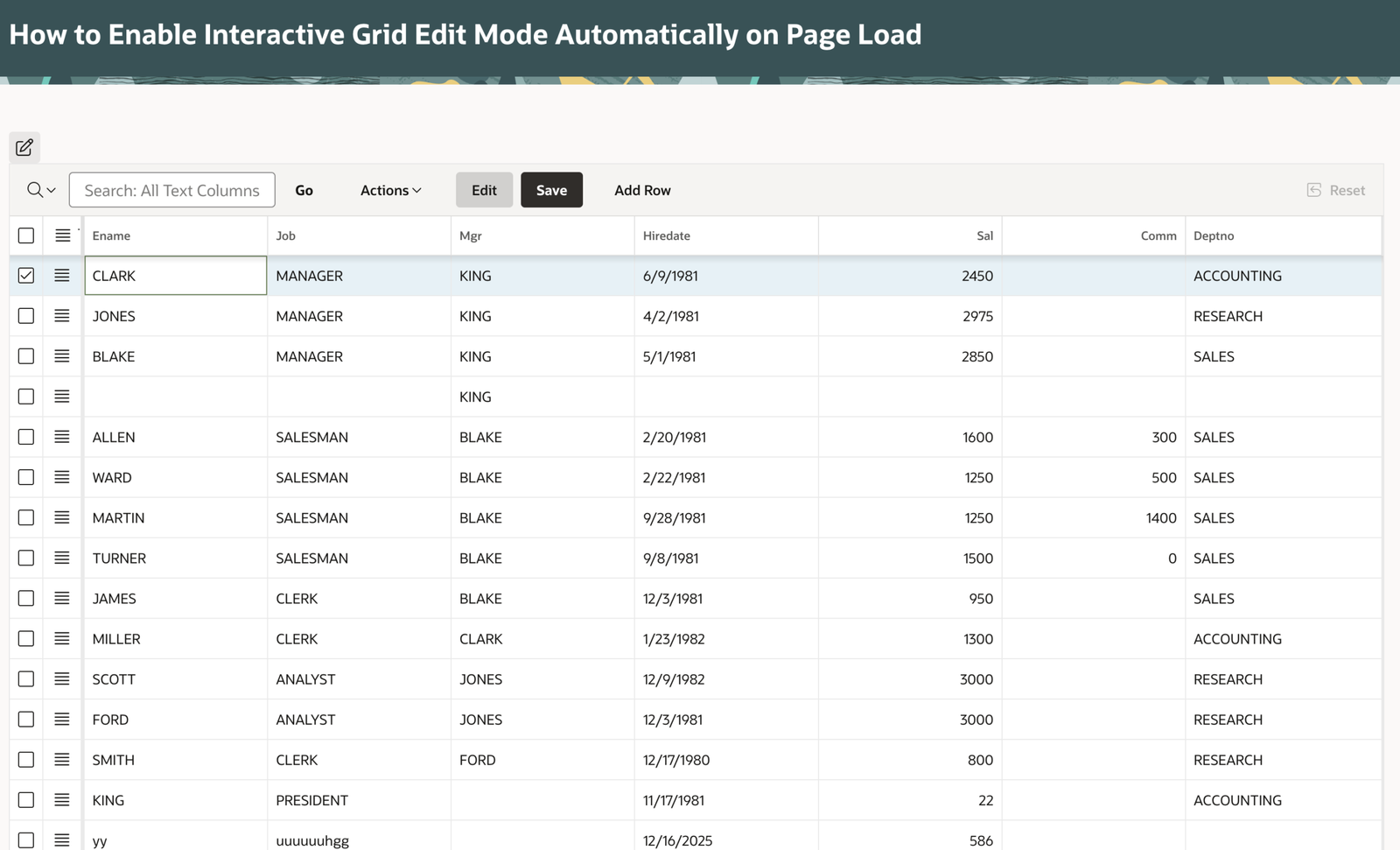
✏️ How to Enable Interactive Grid Edit Mode Automatically on Page Load

1. Introduction This article explains How to Enable Interactive Grid Edit Mode Automatically on Page Load. The solution is implemented using a combination of Oracle APEX and Javascript. 2. Tools and Technologies To achieve the desired functionality, the following technologies are used: 3. Business Requirement In many business applications, users primarily interact with data in edit mode to…
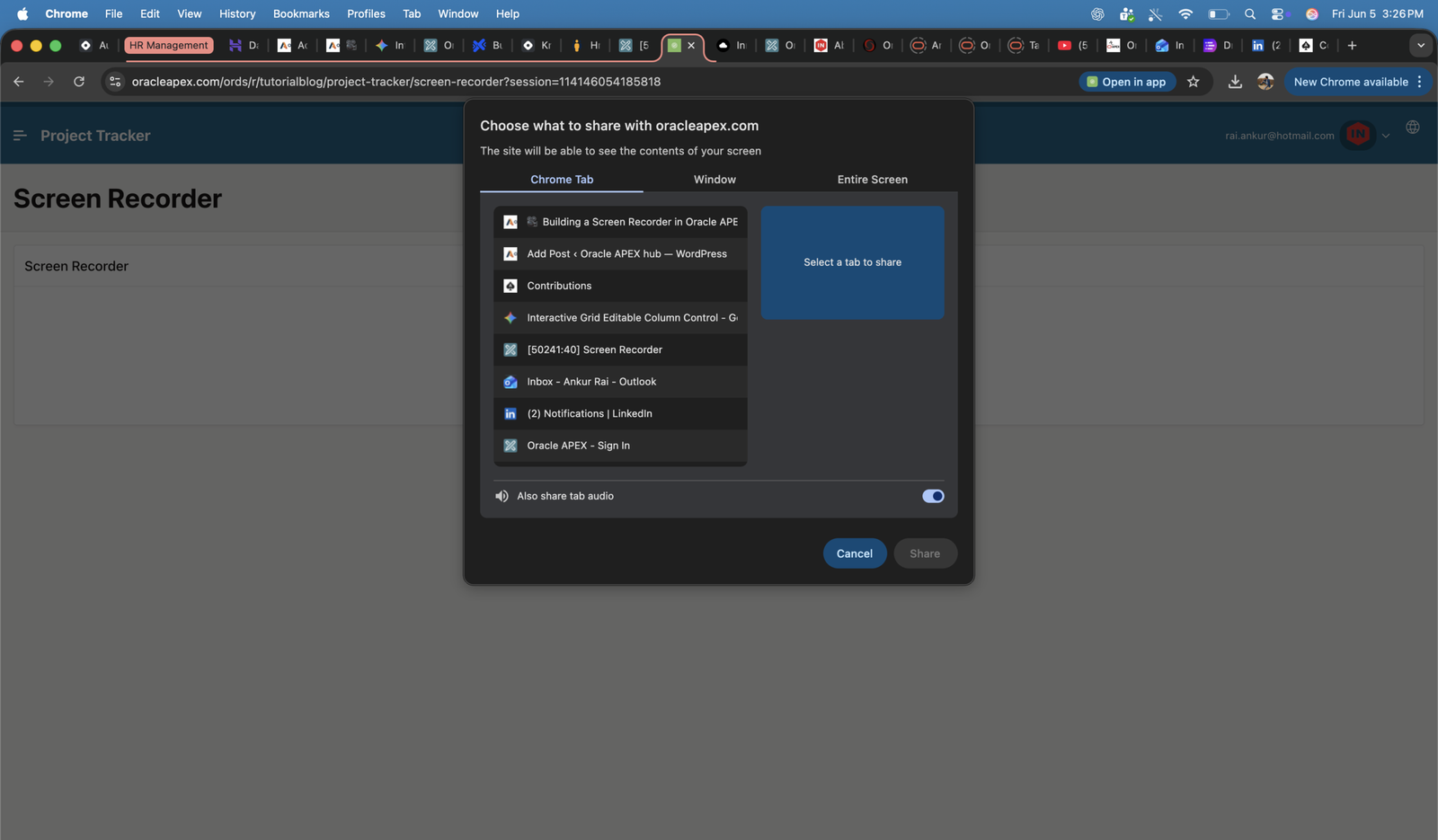
🎥 Building a Screen Recorder in Oracle APEX Using JavaScript (MediaRecorder API)

Introduction Modern web applications often require screen recording capabilities for use cases like: Oracle APEX does not provide a built-in screen recording component, but we can easily integrate browser-based screen recording using JavaScript MediaRecorder API. In this blog, we will create a simple screen recorder inside an Oracle APEX page that can: ✅ Capture the…
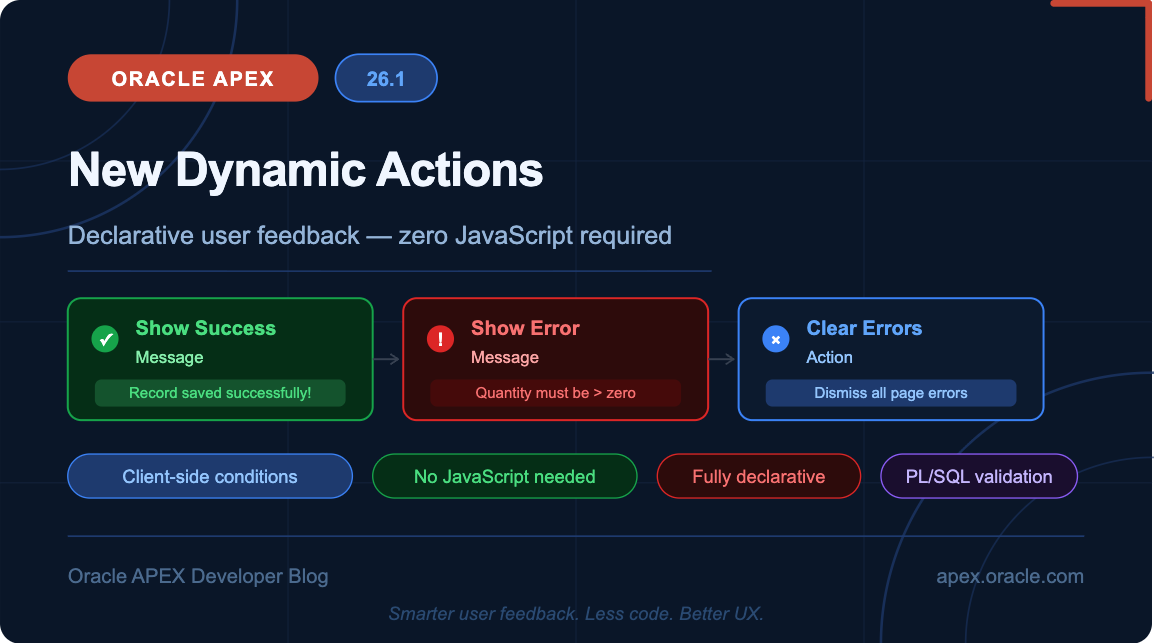
Oracle APEX 26.1: New Dynamic Actions — Show Success, Show Error & Clear Errors

Introduction One of the most practical upgrades in Oracle APEX 26.1 is the introduction of three powerful new declarative Dynamic Actions: These additions significantly reduce the need for custom JavaScript when handling user feedback in your APEX applications. Whether you’re validating form inputs, displaying server-side results, or clearing stale error messages, these new actions let…
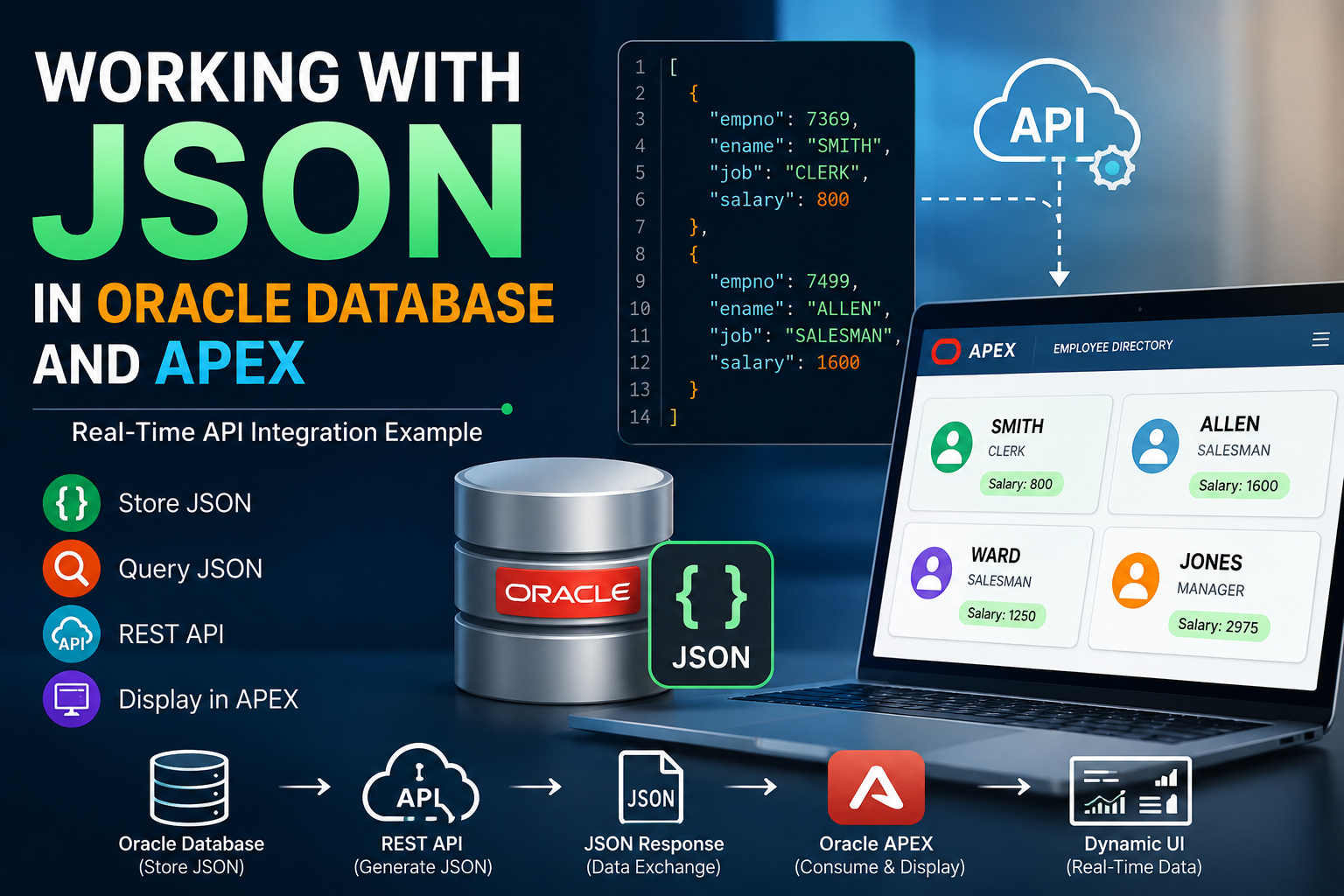
🗂️ Working with JSON in Oracle Database and Oracle APEX – Real-Time API Integration Example
🔹 About JSON (JavaScript Object Notation) has become the standard format for modern web applications and APIs. In modern enterprise applications, developers frequently work with: ✅ REST APIs✅ Mobile applications✅ Third-party integrations✅ Dynamic front-end applications✅ AI & cloud services Oracle Database and Oracle APEX provide powerful native support for JSON operations. In this blog, we’ll…
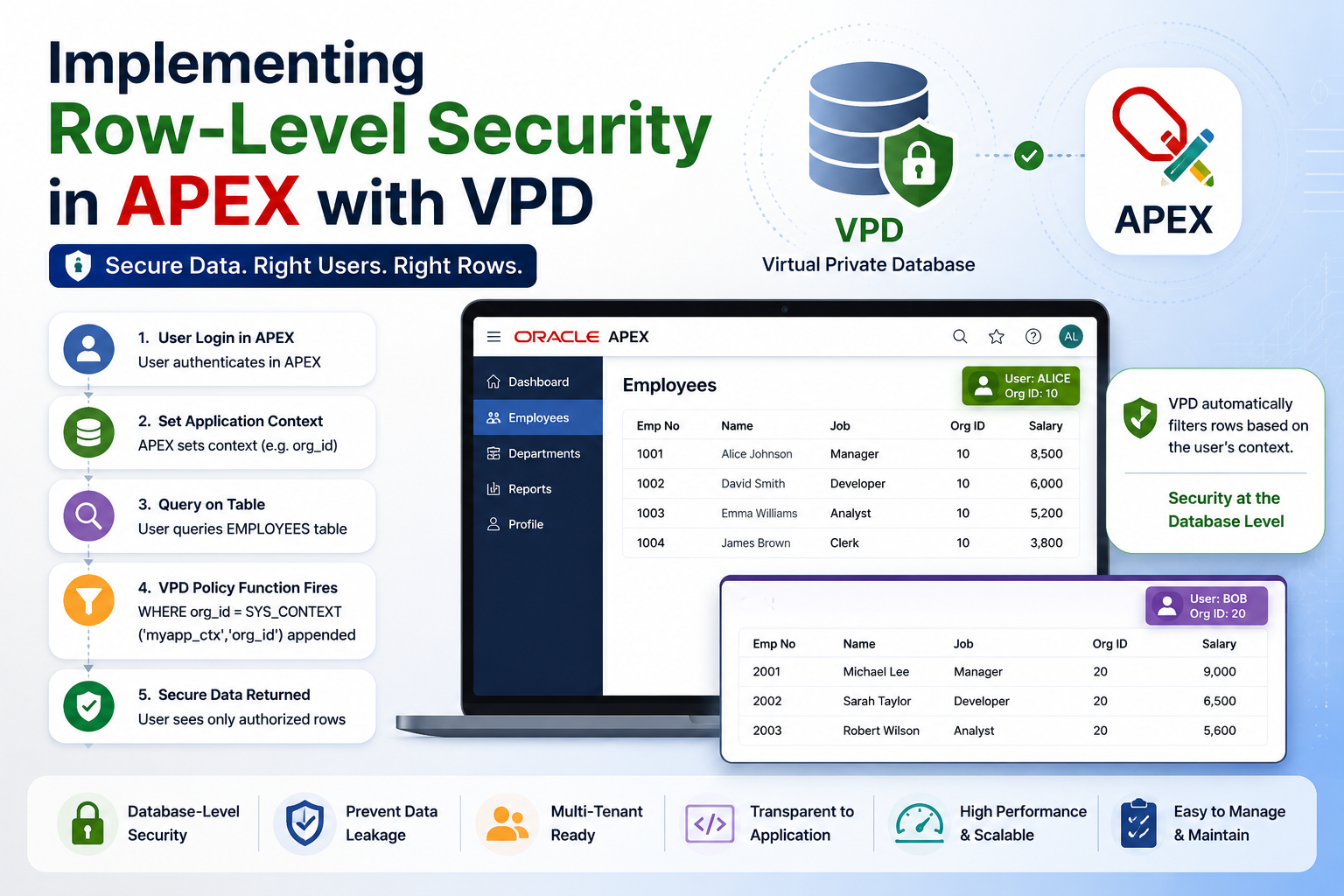
🔐 Implementing Row-Level Security in Oracle APEX Using VPD (Virtual Private Database)
📌 Introduction In enterprise applications, one of the most critical requirements is Row-Level Security — ensuring users can only access the data they are authorized to see. For example: While this can be implemented in Oracle APEX pages using SQL filters, the most secure and scalable approach is to enforce security directly at the Oracle…
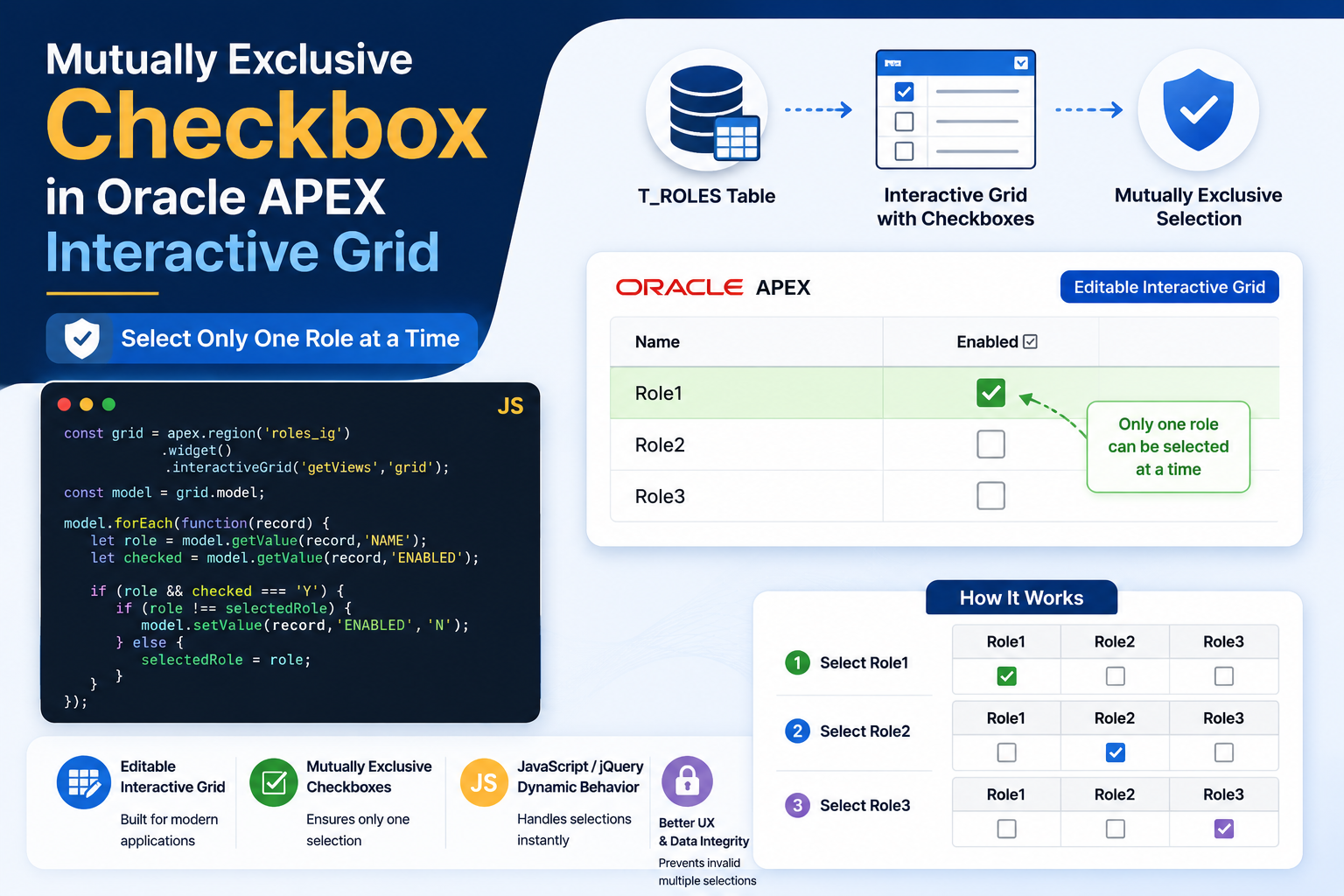
✅ Mutually Exclusive Checkbox in Oracle APEX Interactive Grid
About In Oracle APEX Interactive Grid, checkboxes are commonly used to enable or disable records. However, there are scenarios where only one checkbox should be selected at a time. This blog explains how to implement Mutually Exclusive Checkboxes in an editable Interactive Grid using Oracle APEX and JavaScript/jQuery. Business Scenario Suppose we have three roles:…
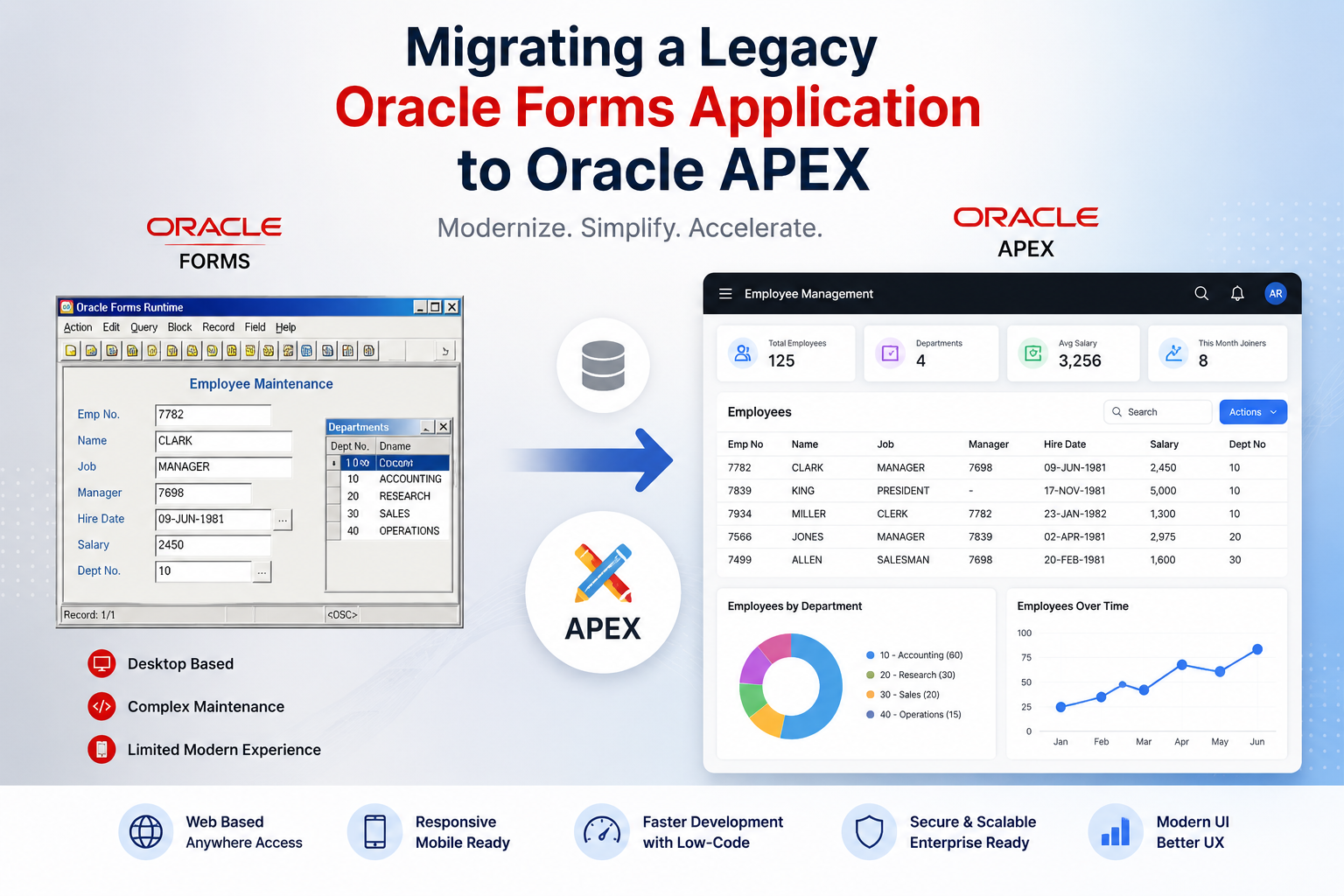
🚀 Migrating a Legacy Oracle Forms Application to Oracle APEX
📌 Introduction Many organizations still run critical business applications built using Oracle Forms. While Oracle Forms has been a reliable enterprise technology for years, modern business requirements demand: This is where Oracle APEX becomes a game changer. Oracle APEX allows organizations to modernize legacy Oracle Forms applications into modern, scalable, browser-based applications with minimal infrastructure…
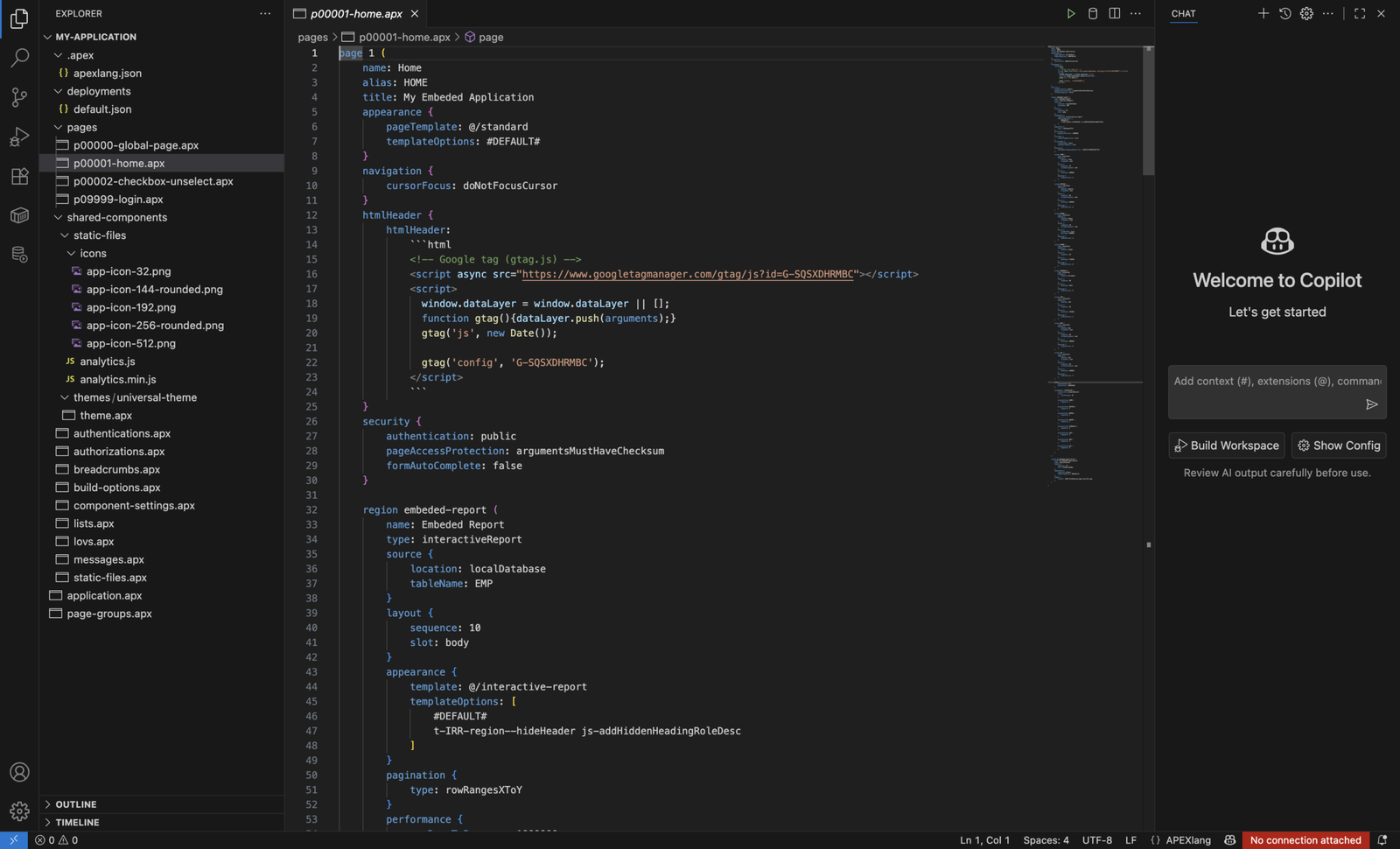
🚀 Oracle APEX 26.1 New Features Explained: APEXLang, .apx Files, Blueprints & VS Code Integration

A deep dive into Oracle’s biggest architectural shift — human-readable .apx source files, AI-assisted generation, Git-friendly version control, and CI/CD-native deployment workflows. Oracle APEX 26.1 ships with what may be its most significant architectural change in years. APEXLang — a new open application specification language — fundamentally changes how APEX applications are exported, edited, version-controlled,…
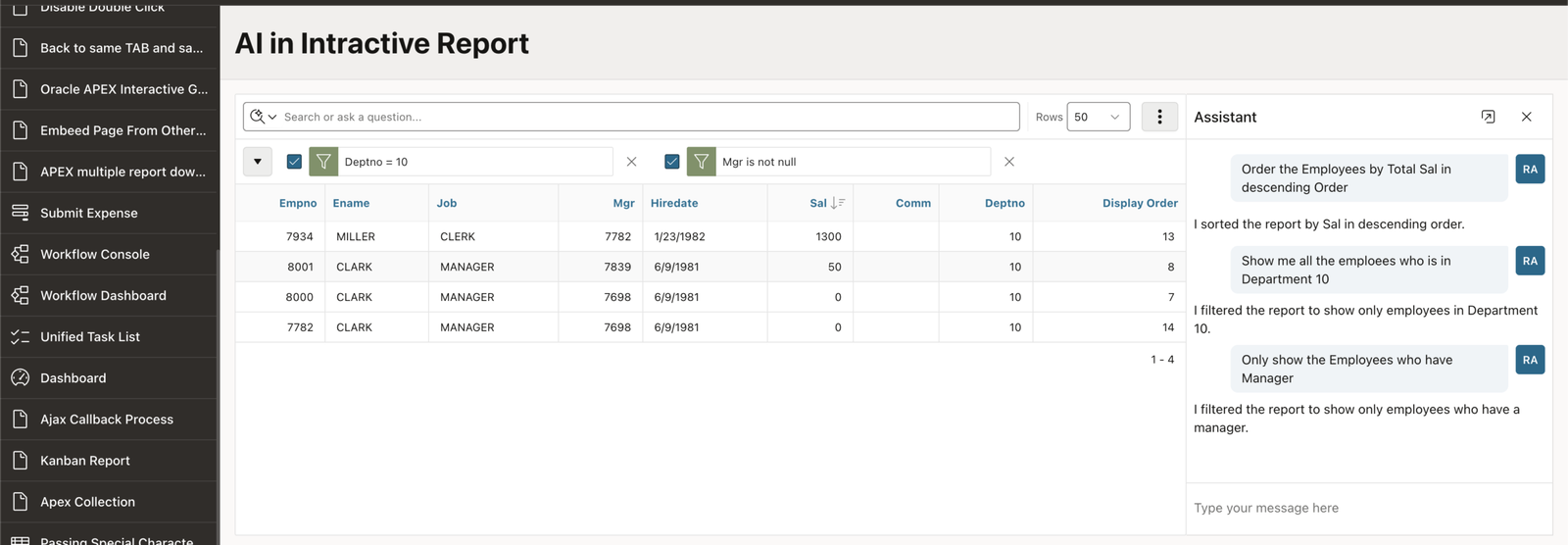
🤖 AI Interactive Reports – NLP Based Reporting Without Data Leaks | Oracle APEX 26.1

🔹 About Oracle APEX 26.1 introduces one of the most powerful new features for Interactive Reports: ✅ AI-Powered Natural Language Reporting Users can now interact with reports using simple English sentences like: ✔ “Show employees from department 10”✔ “Sort employees by salary descending”✔ “Only show employees who have manager” without writing filters manually. The best…
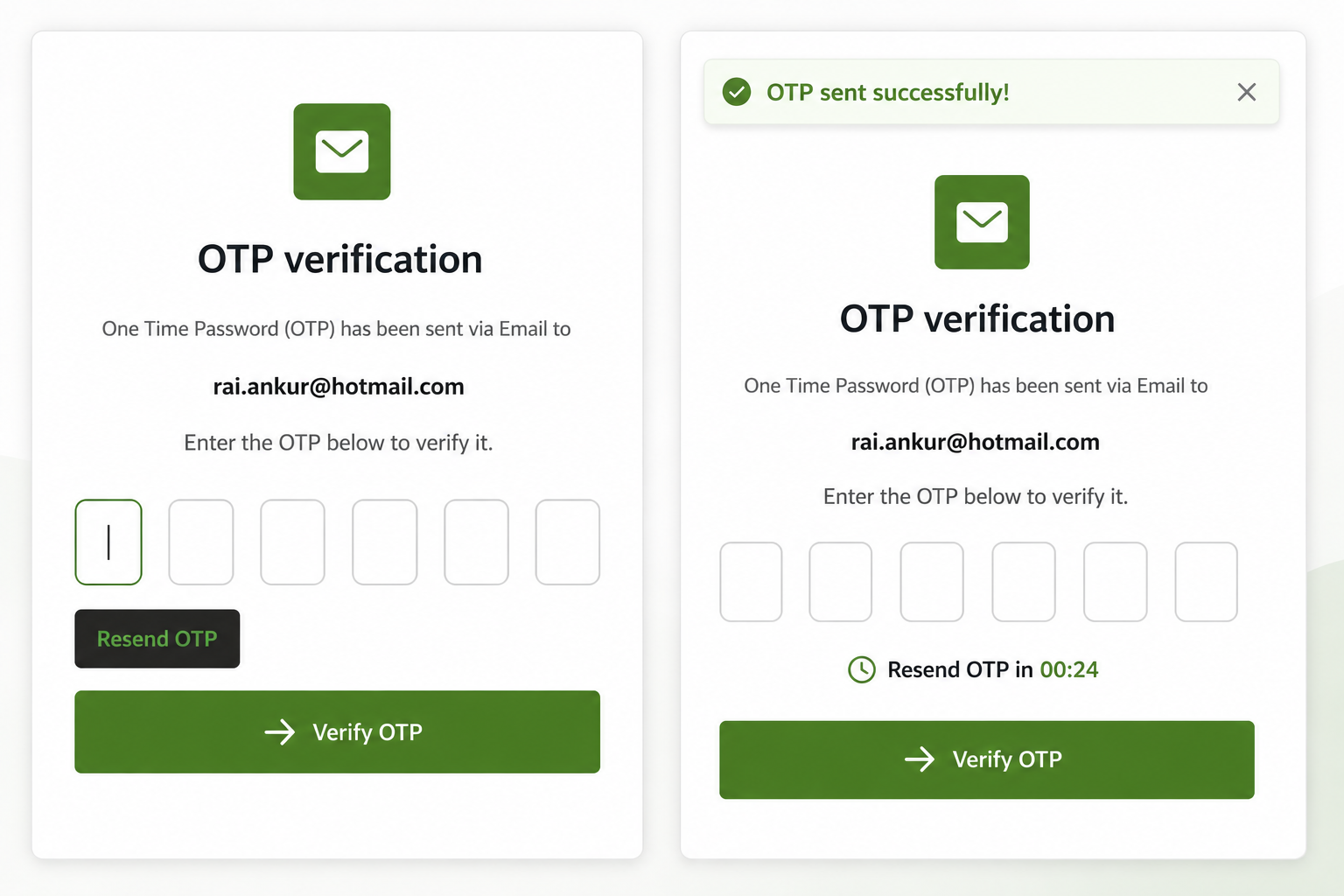
🔐 Build OTP Verification Login System in Oracle APEX Using Email OTP
🔹 About Password-based authentication alone is no longer enough for modern applications. Adding OTP (One-Time Password) verification improves application security by validating the user through email verification. In this blog, we will build a complete Email OTP Verification System in Oracle APEX using: ✅ Oracle APEX✅ PL/SQL✅ JavaScript✅ APEX_MAIL✅ Session State✅ Dynamic Actions We will…
Prevent Multiple Browser Tabs in Oracle APEX with Background Session Monitoring

A practical implementation using localStorage heartbeats, Web Workers, and a background scheduler to enforce single-tab sessions — without breaking your users’ experience. The problem with multiple tabs Enterprise APEX applications often need to restrict users to a single active browser tab. Whether it’s for license compliance, preventing conflicting edits, or simply avoiding stale data problems,…
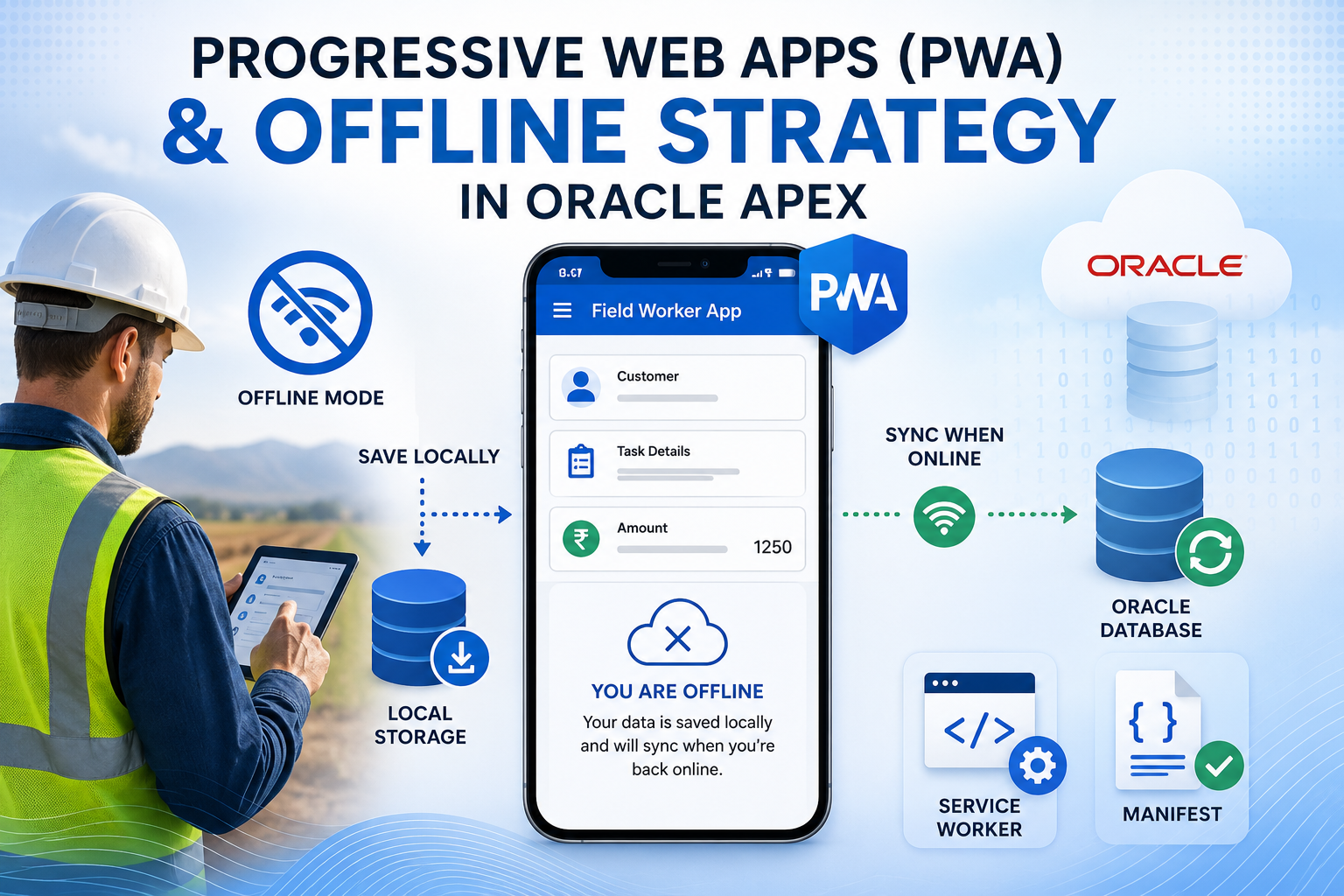
📱 Progressive Web Apps (PWA) & Offline Strategy in Oracle APEX
🔹 About Oracle APEX makes it incredibly easy to convert applications into Progressive Web Apps (PWA). But the real challenge begins when users expect the application to continue working even without internet connectivity. In this blog, we’ll explore how to build a true offline-capable Oracle APEX application using: ✔ Progressive Web Apps (PWA)✔ Service Workers✔…
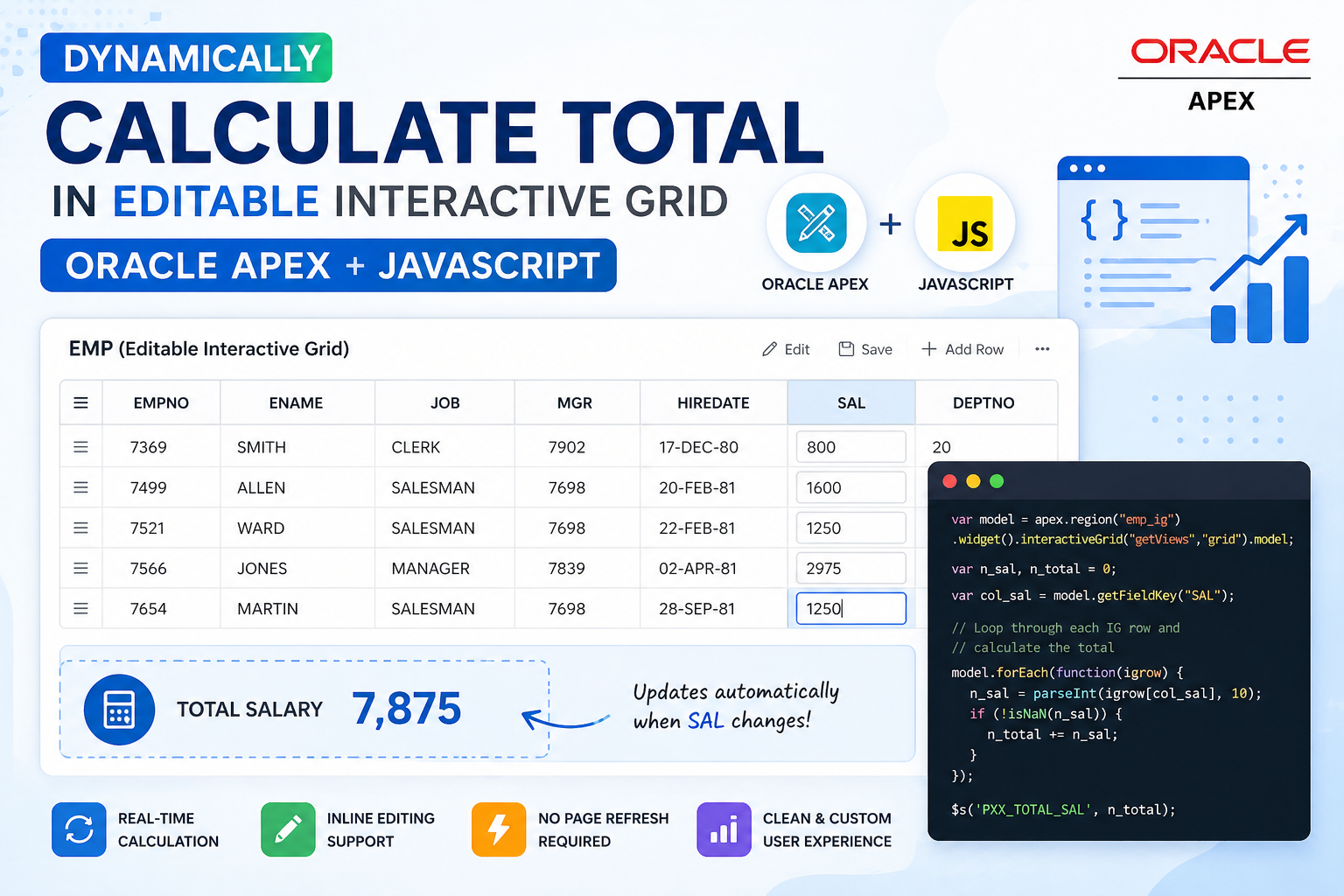
📊 Dynamically Calculate Total in Editable Interactive Grid (Oracle APEX + JavaScript)
🔹 About This step-by-step blog explains how to dynamically calculate and display the total (SUM) of a column in an Editable Interactive Grid (IG) using Oracle APEX and JavaScript. Instead of relying on the default footer aggregation, we will: ✔ Hide the IG footer ✔ Create a custom display region ✔ Calculate total dynamically on…
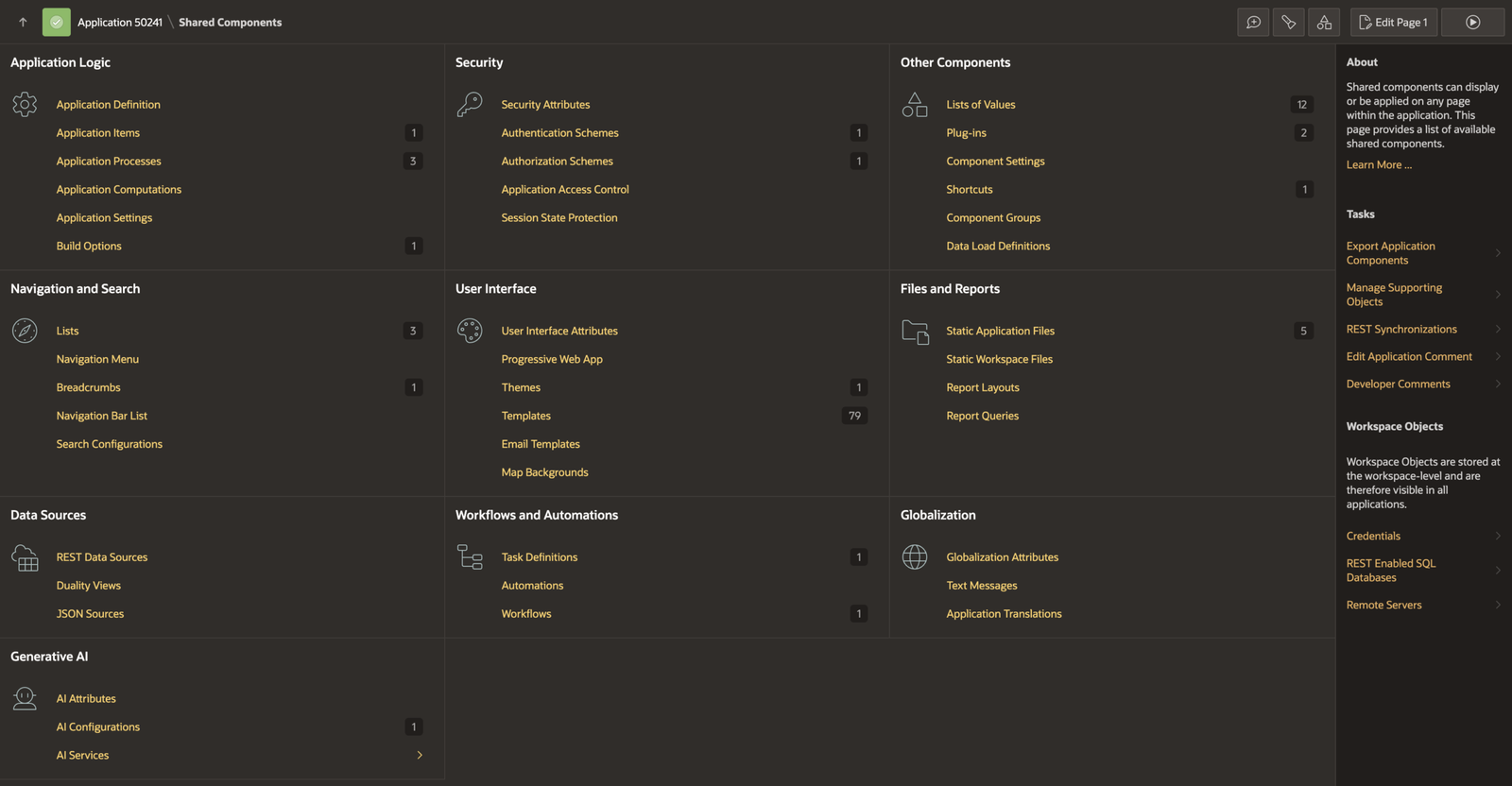
🚀 Mastering Oracle APEX Shared Components

Definition with Real-Time Examples (Structured Guide) In Oracle APEX, Shared Components act as a central reusable repository where you define logic once and use it across the application. 👉 Think of it as the backend engine that powers all pages efficiently. ⚙️ 1. Application Logic 🔹 Application Definition Definition: Controls overall application-level settings and behavior.…
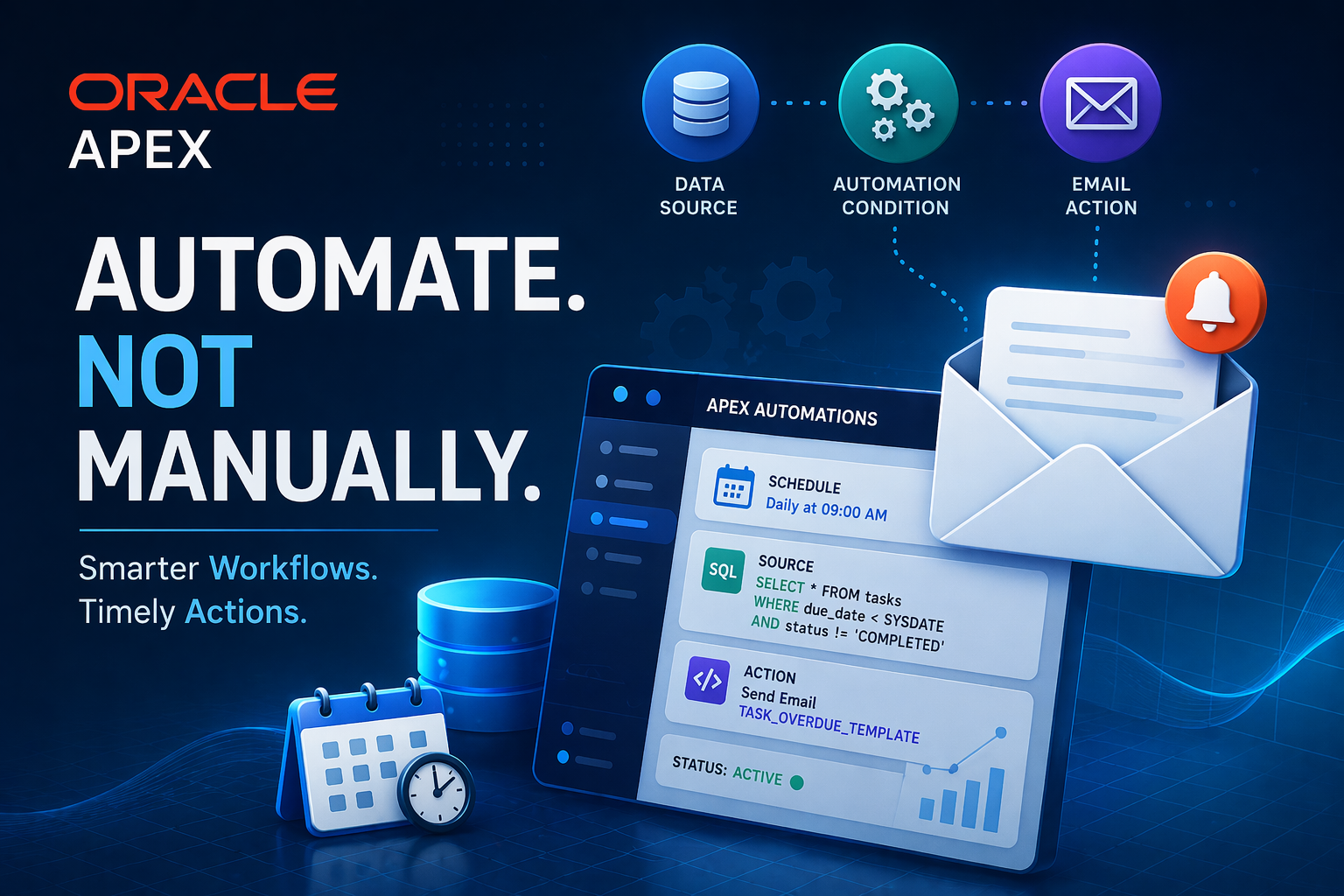
⚡ Revolutionize Your Workflow with Oracle APEX Automations
In today’s fast-paced application landscape, relying on manual monitoring is outdated. What if your application could automatically track data, send alerts, and take actions—without any manual effort? That’s where Oracle APEX Automations come in. 🔍 What is Oracle APEX Automation? APEX Automations are background processes that run automatically based on: They eliminate the need for…
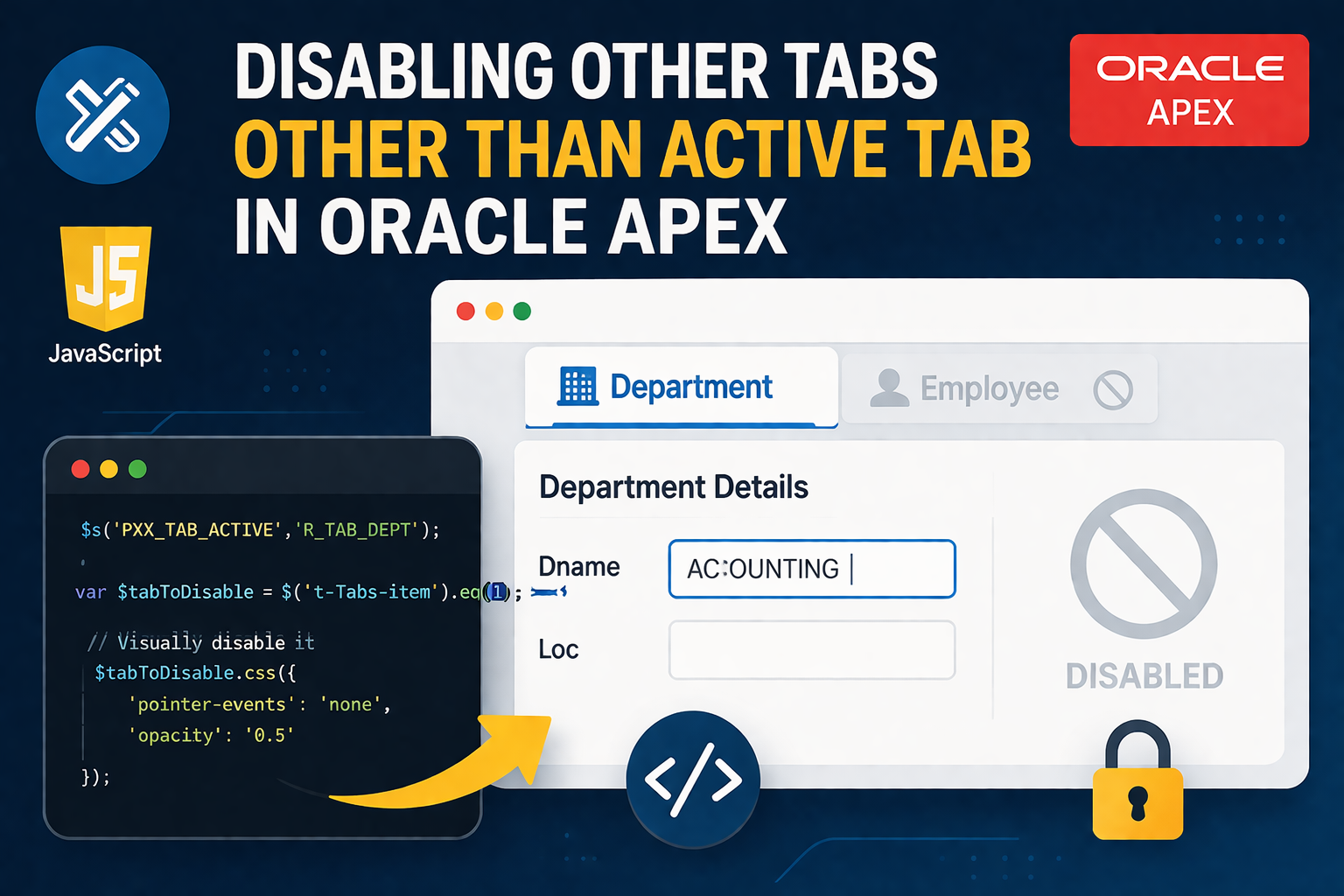
🚫 Disabling Other Tabs Except Active Tab in Oracle APEX
In modern web applications, improving user experience and preventing unintended data loss is critical. One common requirement is to restrict users from navigating to other tabs once they start entering data in the current tab. In this blog, we’ll walk through a simple yet effective approach to disable inactive tabs dynamically using JavaScript in Oracle…
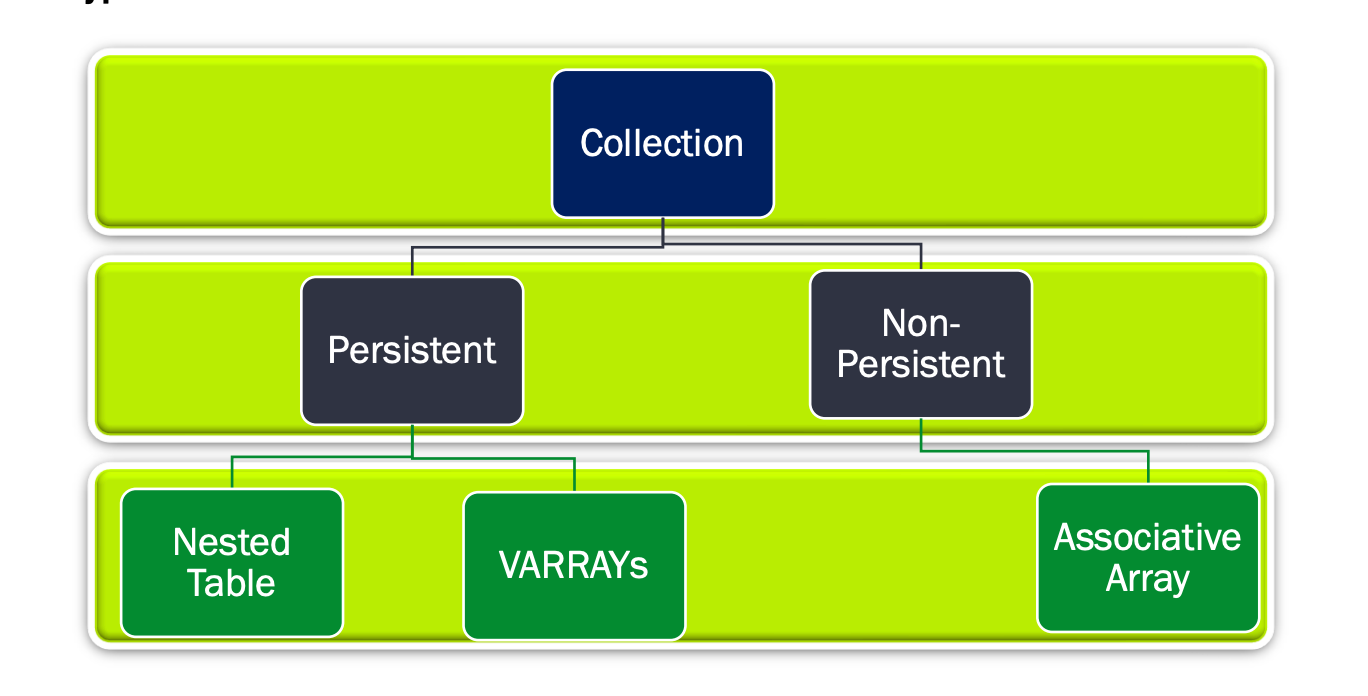
📚 Complete Guide to PL/SQL Collections (With Examples)

Working with multiple rows of data efficiently is a common requirement in PL/SQL. This is where Collections come into play — one of the most powerful features in Oracle. In this blog, we’ll explore what collections are, their types, and real-time examples to help you master them. 🔹 What is a Collection? A Collection is…
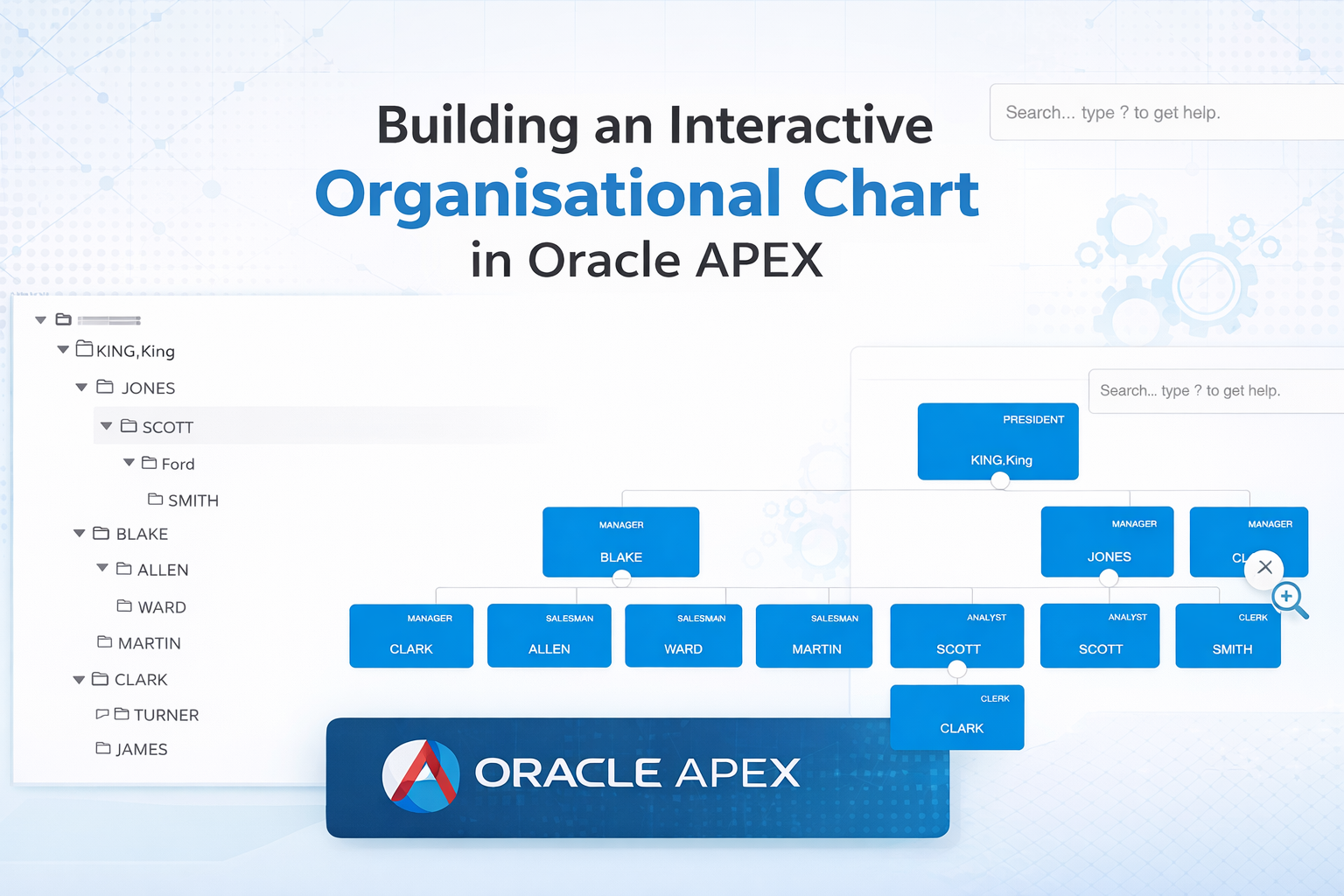
📊 Building an Interactive Organisational Chart in Oracle APEX (2 Powerful Approaches)
Visualizing hierarchy is one of the most common requirements in enterprise applications—especially for employee structures. In Oracle APEX, you can build an organisational chart in multiple ways depending on your UI needs. In this blog, we’ll explore two practical approaches: 🔹 Approach 1: Using Tree Region (Native APEX) Oracle APEX provides a Tree Region to…
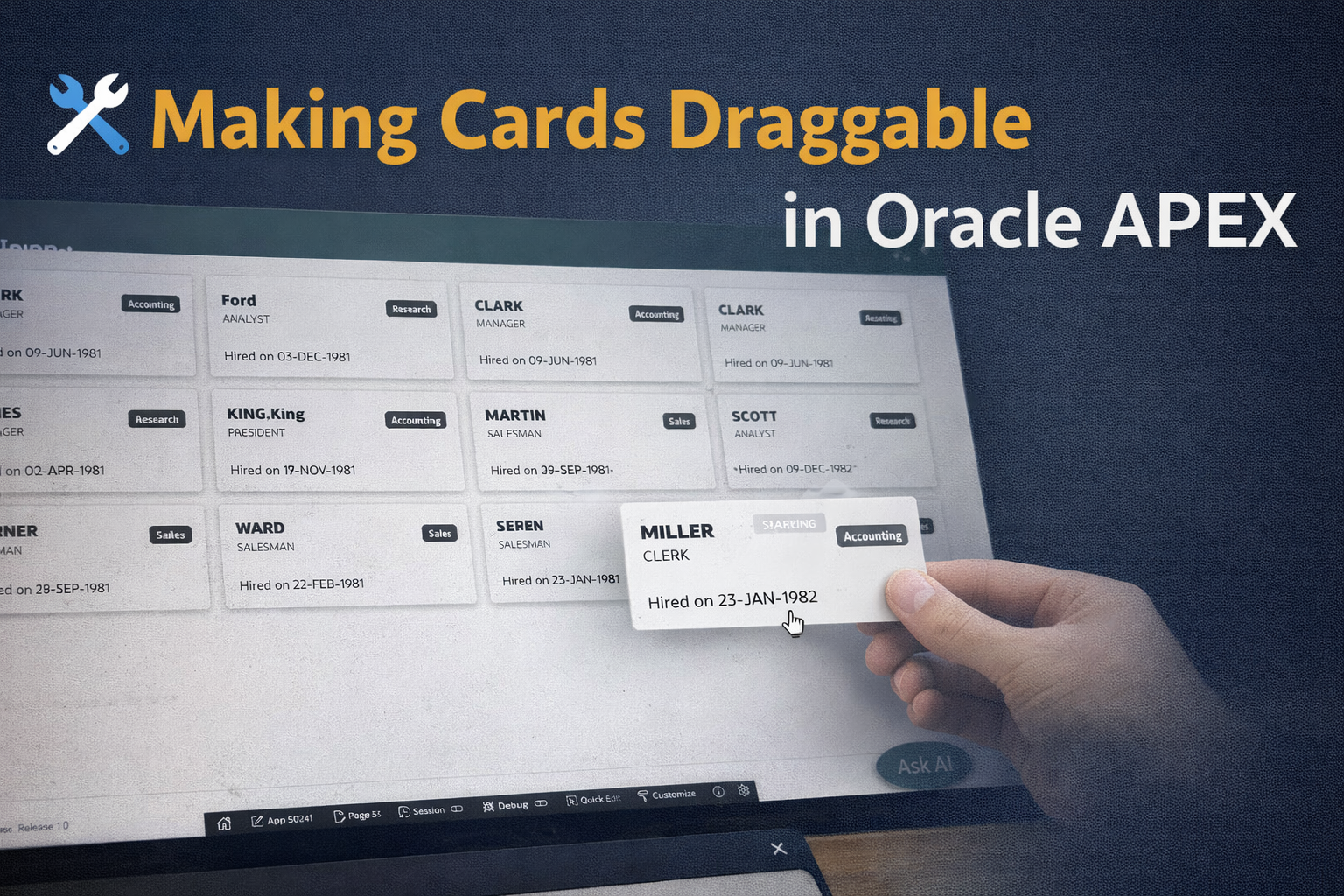
🚀 Making Cards Draggable in Oracle APEX (Save Order Dynamically)
Modern applications are all about better user experience. One powerful UX feature is allowing users to reorder cards using drag & drop—just like Trello or Jira. In this blog, I’ll show you how to implement a Draggable Card Region in Oracle APEX and persist the order in the database. 🎯 What We Are Building 🧱…
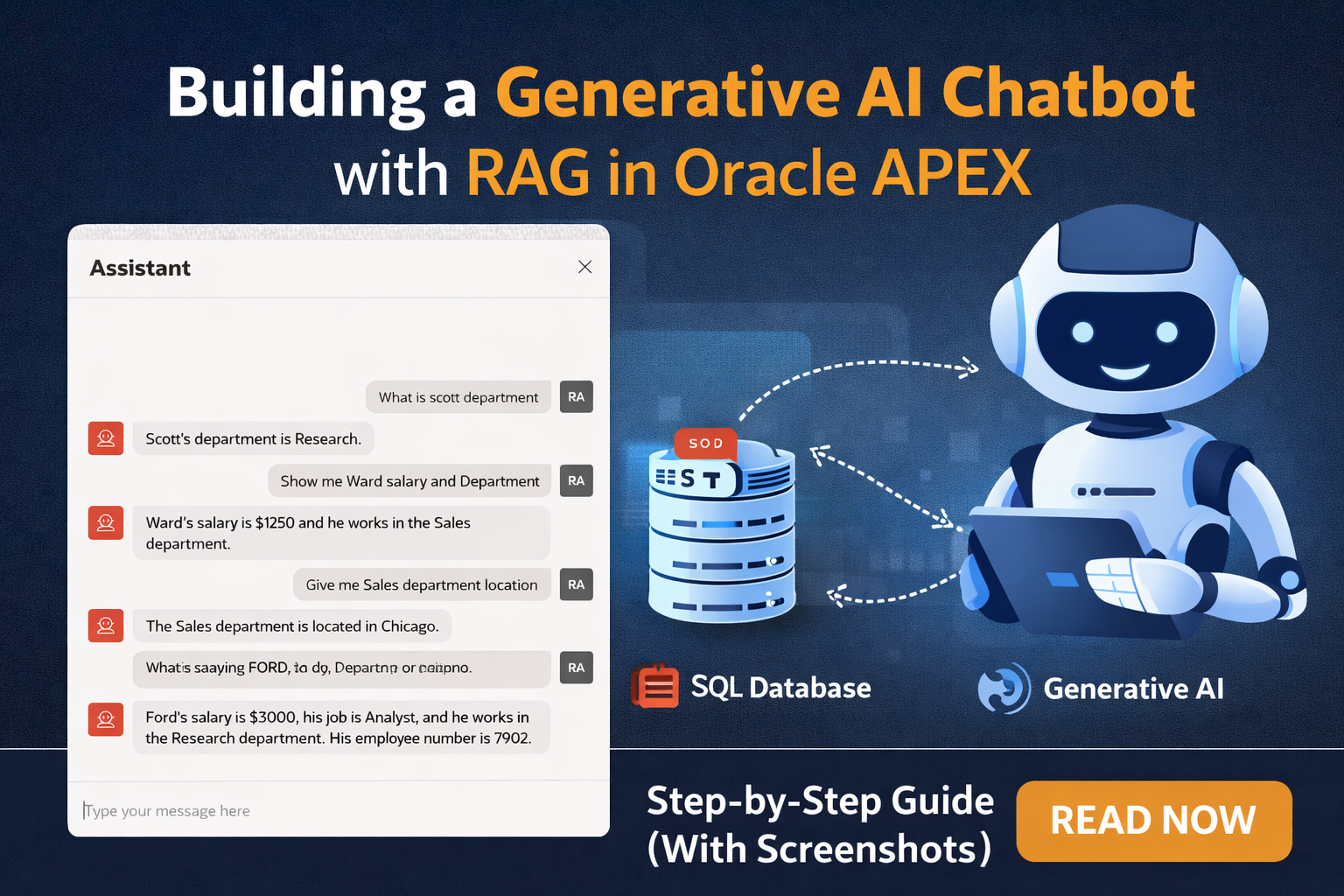
🚀 Building a Generative AI Chatbot with RAG in Oracle APEX (Step-by-Step Guide)
Artificial Intelligence is transforming how users interact with applications. With Generative AI + RAG (Retrieval-Augmented Generation), you can build smart chatbots that not only generate responses but also fetch accurate data from your database. In this blog, I’ll walk you through how to build a ChatGPT-like AI Assistant inside Oracle APEX using Cohere + RAG…
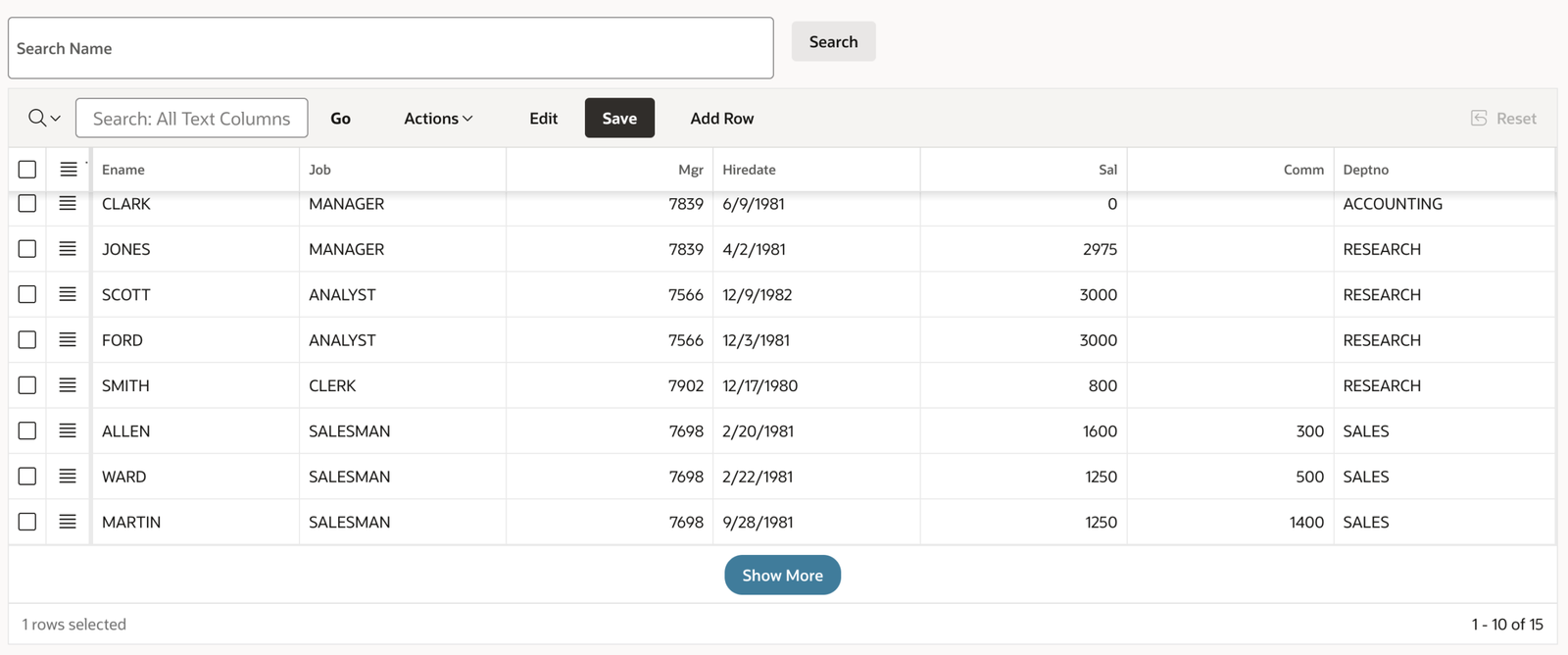
🚀 Implementing “Show More” Button in Interactive Grid in Oracle APEX

Interactive Grid is one of the most powerful components in Oracle APEX, widely used for displaying and managing large datasets. By default, Interactive Grid uses pagination, which can sometimes impact user experience—especially when users prefer scrolling instead of switching pages. In this blog, we’ll learn how to replace traditional pagination with a “Show More” (Load…
🚀 Ensuring Data Accuracy with SQL Assertions in Oracle AI Database 26ai

Introduction AI systems depend entirely on data quality. Even the most advanced models fail when the underlying data is inconsistent or incorrect. Ensuring data accuracy is not just important — it is essential for building reliable AI applications. The Problem These approaches fail when dealing with multi-table relationships, leading to inconsistent and unreliable data. The…
🚀 Building an AI-Powered Database Application (No SQL Required)

What if users could query your Oracle database in English or any language — without writing SQL? I built an AI-powered application using Oracle APEX that transforms natural language into SQL and instantly delivers insights as charts, KPIs, and reports. This is how modern data interaction should feel. 🚫The Problem Most business users cannot write…
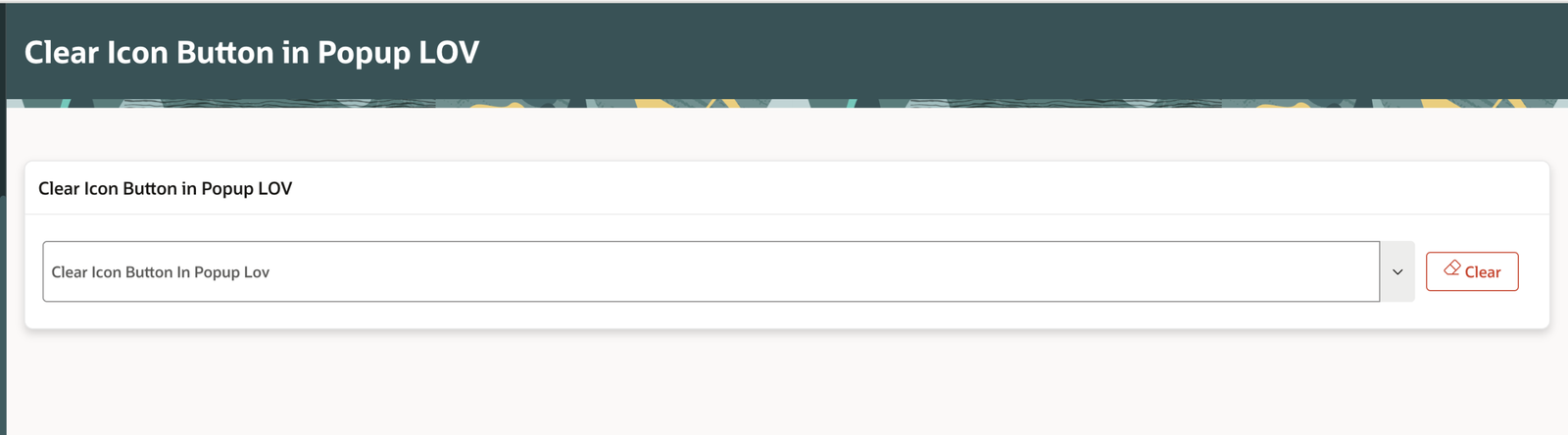
🚀 Implementing a Clear Icon Button in Popup LOV Using APEX Shortcuts

In many Oracle APEX applications, Popup LOV items are used to allow users to search and select values easily. However, sometimes users need additional flexibility such as: In one of our recent projects, the client requested the following functionality: ✔ A Clear (X) icon button next to the Popup LOV ✔ Ability to manually enter…
🚀 How to Define Environment Banner in Oracle APEX (DEV, TEST, PROD) – Step-by-Step Guide

When working with multiple Oracle APEX environments such as Development, Test, and Production, it is very easy for developers or users to accidentally perform actions in the wrong environment. For example: To avoid these issues, Oracle APEX provides a simple but powerful feature called Environment Banner. This banner visually displays the environment name at the…
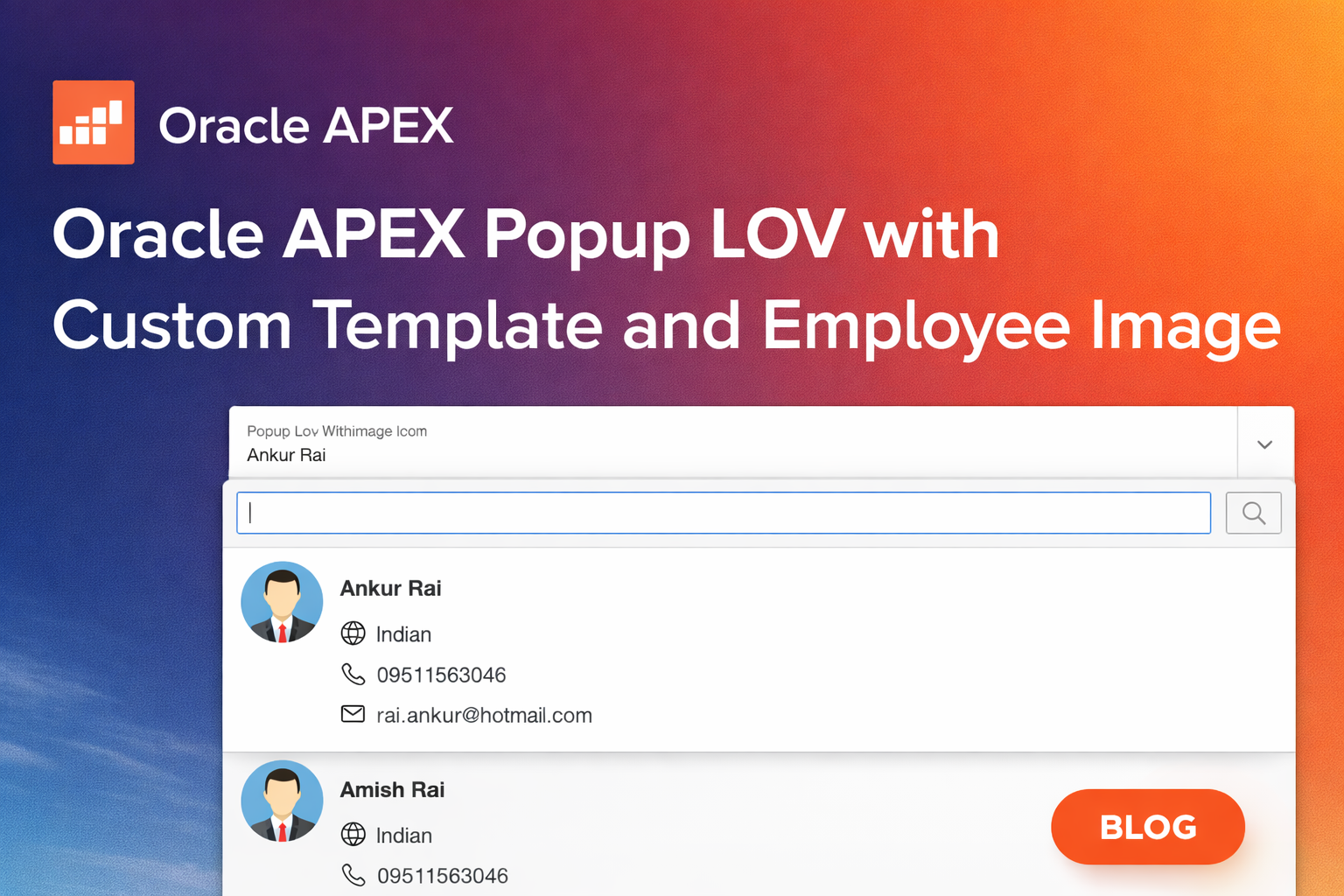
🎨 Enhancing Popup LOV in Oracle APEX with Custom Templates
One of the most powerful and user-friendly item types in Oracle APEX is the Popup LOV (List of Values). Developers love it because it provides a clean UI, and users love it because it supports powerful search capabilities across multiple columns (introduced in APEX 19.2). Popup LOV supports: ✅ Single value selection ✅ Multiple value…
🔍 Ultimate Guide to Oracle APEX Metadata Views
(Complete Developer Reference with Sample Queries) Oracle APEX stores everything as metadata. Every page, region, item, process, automation, REST source, workflow, theme — all of it lives inside database views. These views start with: Understanding them makes you: 🏗 1️⃣ Workspace & Instance Views These operate at the workspace level. 🔹 APEX_WORKSPACES Available Oracle APEX…
🧩 How to Create a Kanban Board in Oracle APEX Using Material Kanban Board Plugin

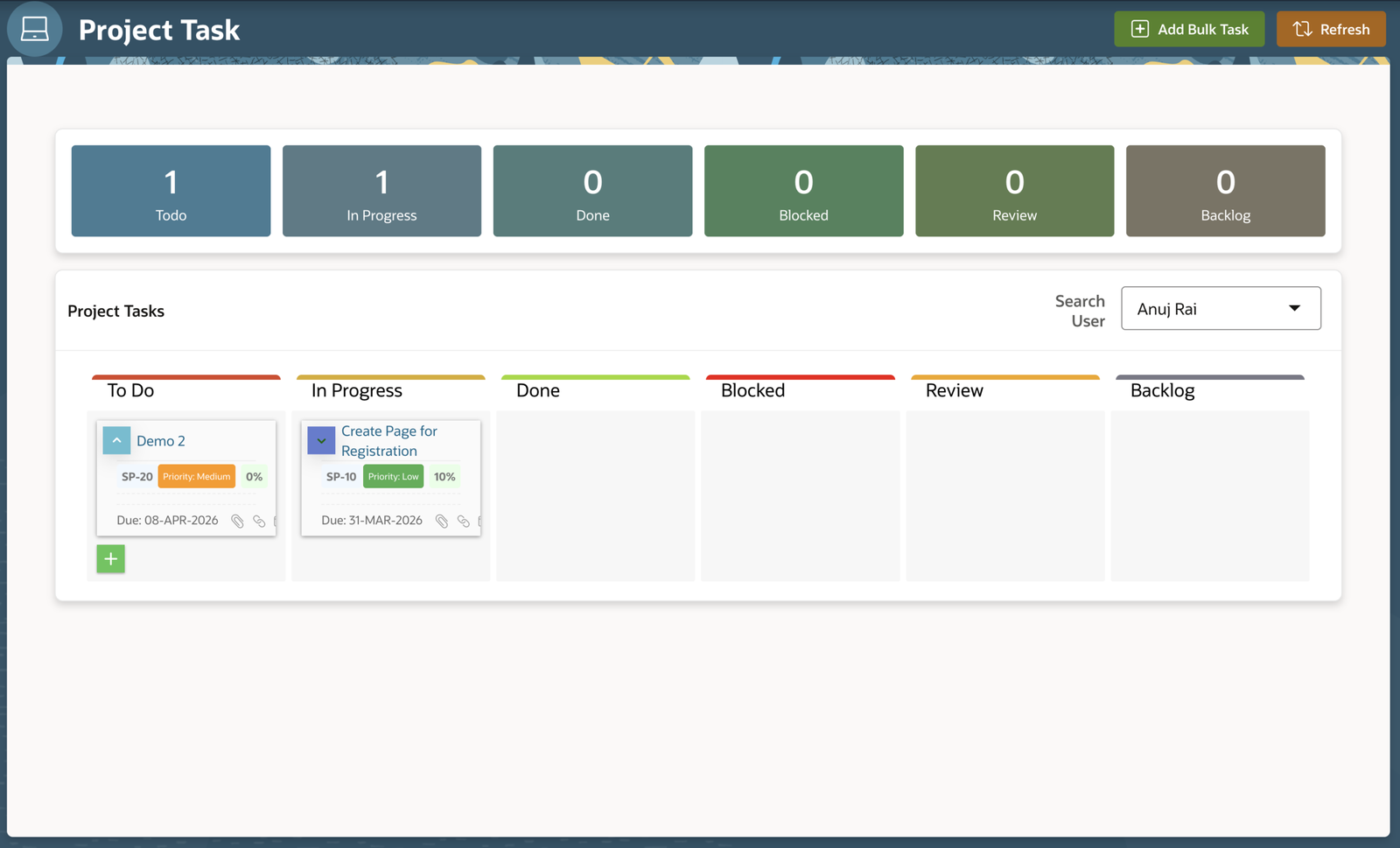
Kanban boards are one of the most powerful ways to manage tasks visually. In this blog, I’ll walk you step-by-step through building a fully dynamic Project Task Kanban Board in Oracle APEX using the Material Kanban Board Plugin, including: 🎯 Final Output Your Kanban board will look like this: 🗄️ Step 1: Database Tables Below…
Invalid Numeric Value in Oracle APEX? The Hidden Comma Problem in URL Parameters Explained

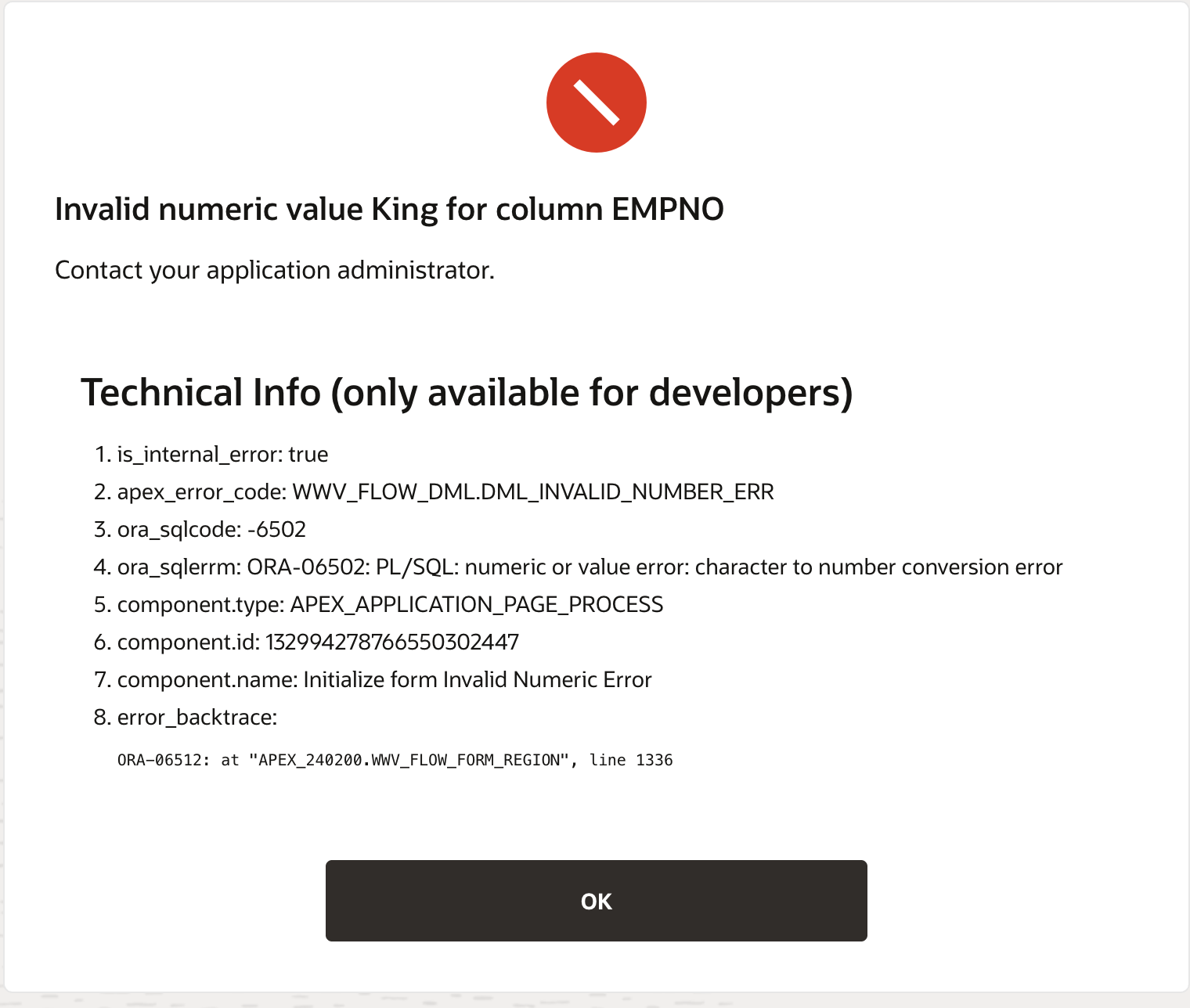
A Real-World Lesson on Passing Page Items Safely in Oracle APEX 🔍 The Issue Faced in Production Recently, I have faced a critical production error while navigating from a report page (Page 29) to an Edit page (Page 31). Users were clicking the Edit icon, and suddenly this error appeared: Invalid numeric value King for…
Using Collections in Oracle APEX with Real Scenarios
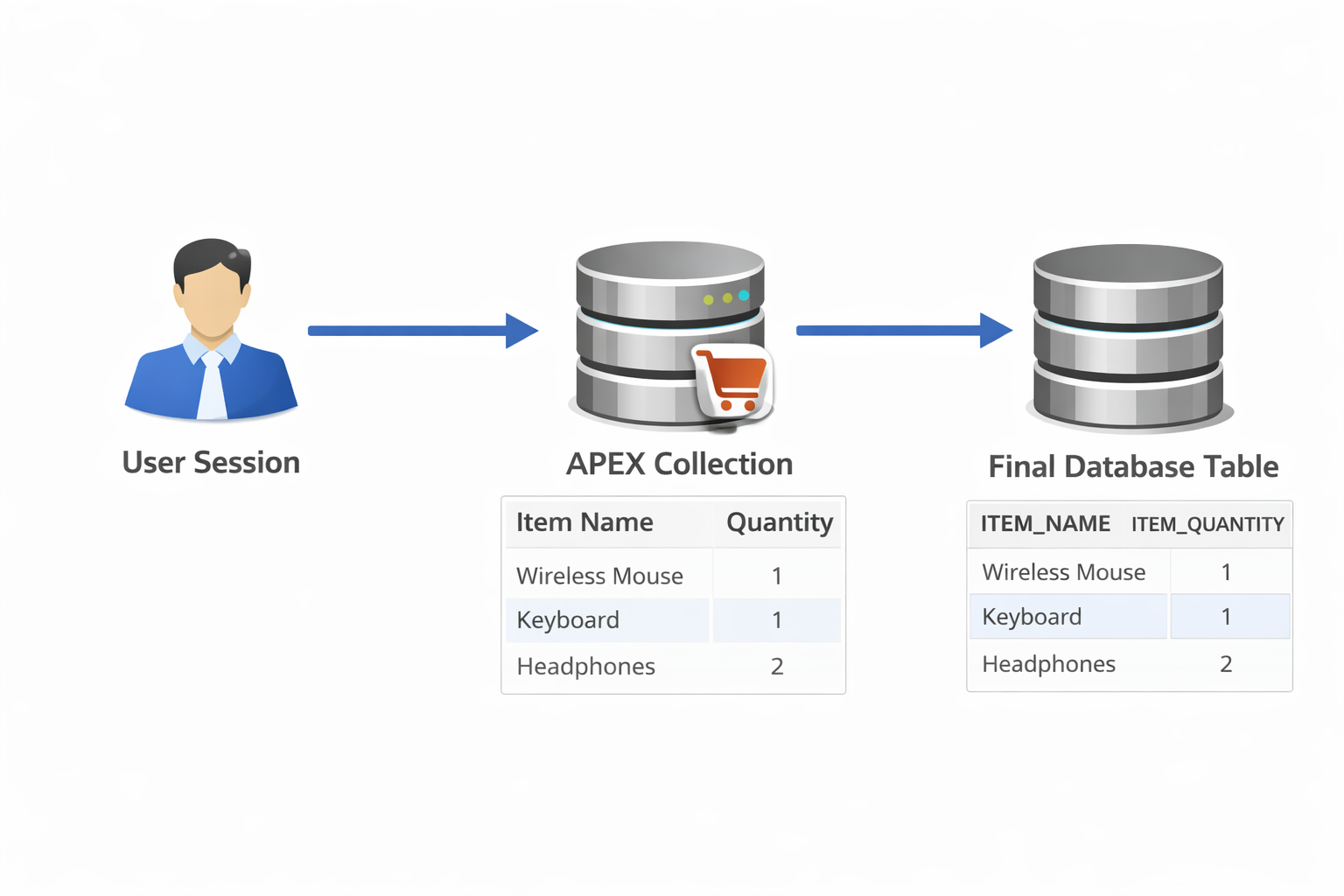
Introduction Oracle APEX Collections are temporary, in-memory data structures that live inside a user session. They are extremely powerful when you need to store, manipulate, and use data without immediately committing it to database tables. Think of Collections as session-based tables that: In this blog, we’ll explore real-world scenarios, step-by-step usage, and where Collections fit…
🔒 Interactive Grid: Lock / Unlock Rows in Oracle APEX

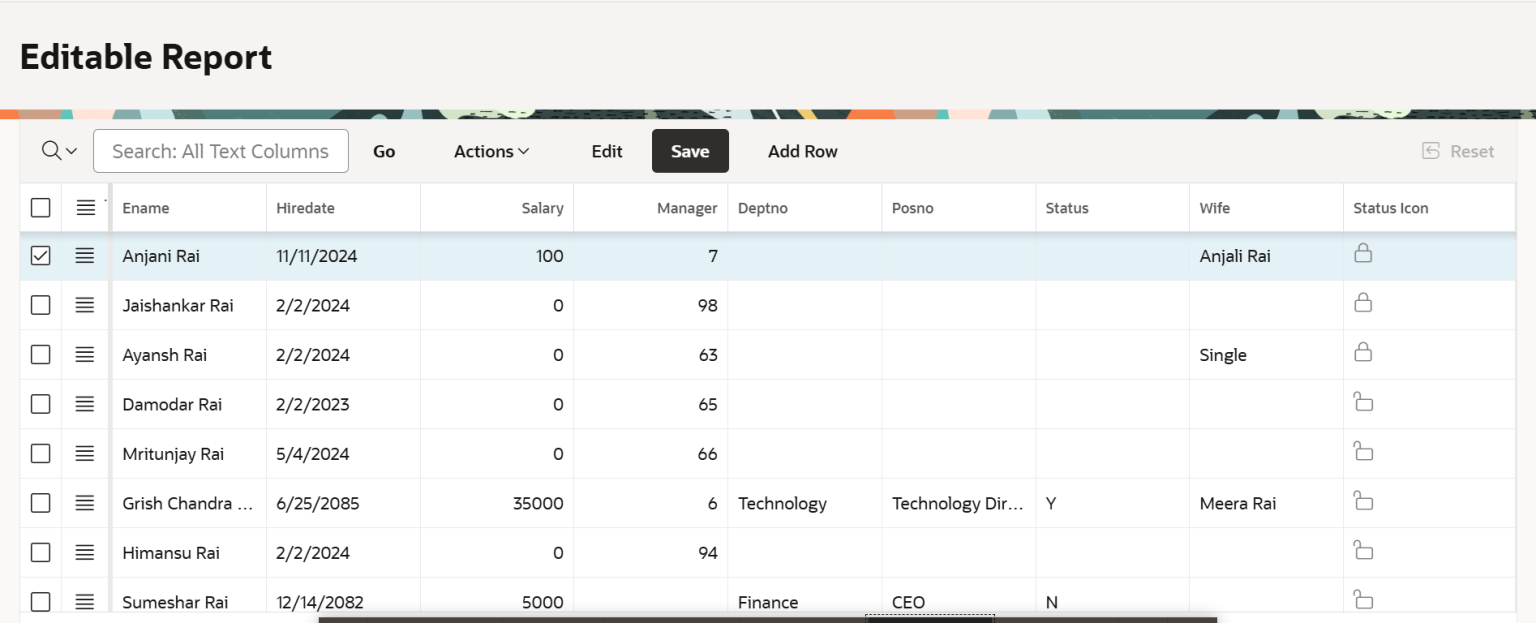
Introduction This document explains how to implement a Lock / Unlock functionality in an Oracle APEX Interactive Grid. A common real-world scenario is when you create an Interactive Grid for the HR department to update employee information such as: However, not all records should be editable. For example: These records should not be modified accidentally.…
APEX URL Structure and Session Management Explained
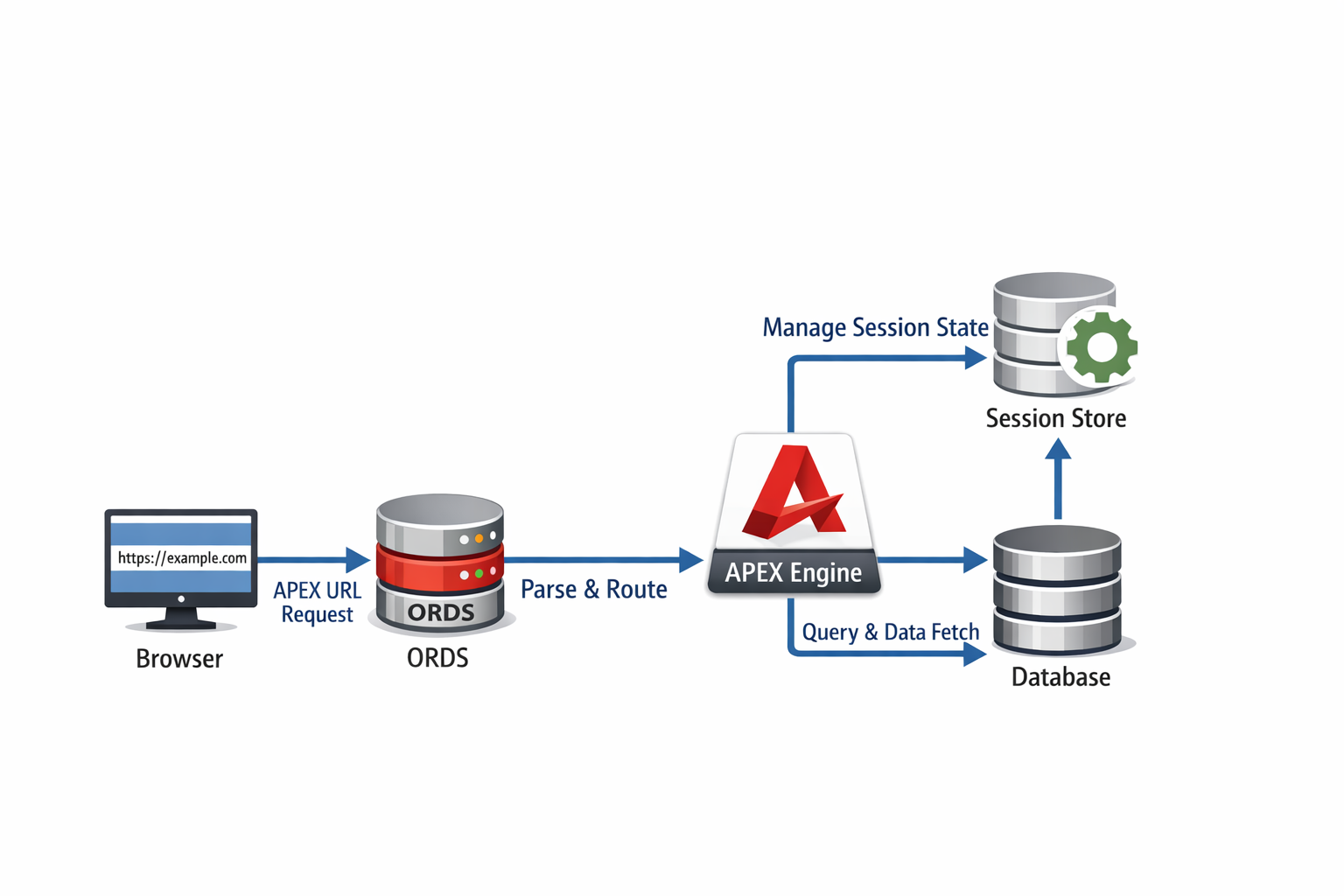
Introduction Every Oracle APEX developer has seen URLs like this: But very few truly understand: In this blog, we’ll break down APEX URL structure and session management in simple words, using real-world examples and easy-to-understand diagrams. What is an APEX URL? An APEX URL is the entry point to an Oracle APEX application. It tells…
Performance Tuning Tips for Large Oracle APEX Applications
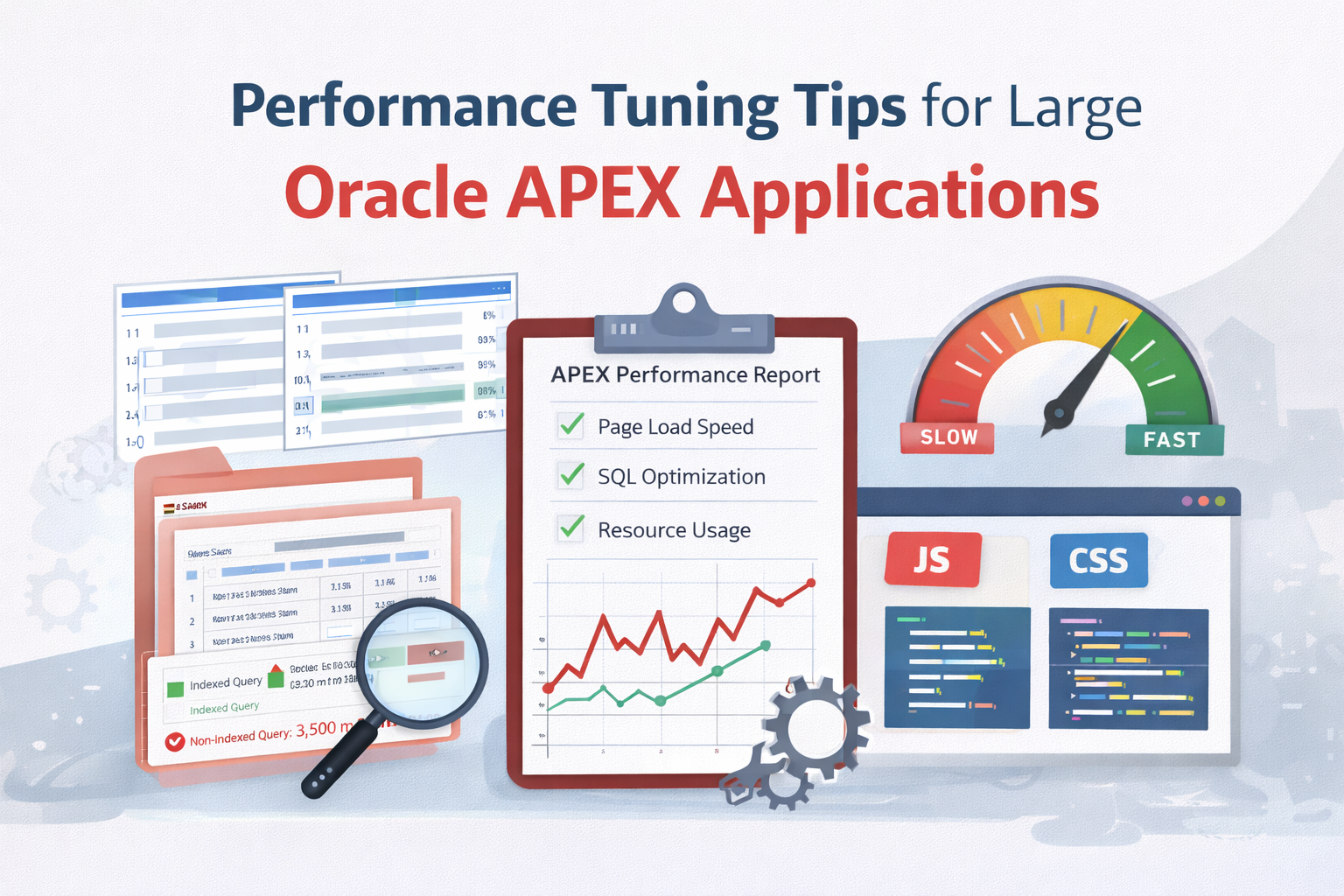
When Oracle APEX applications grow—more users, more data, more pages—performance becomes critical. A slow APEX app frustrates users and gives the impression of poor design, even when functionality is correct. This step-by-step guide covers practical, real-world performance tuning techniques you can apply to large Oracle APEX applications used in production. Step 1: Understand Where the…
Using REST APIs in Oracle APEX (Consume & Expose)

Introduction In real-world applications, Oracle APEX rarely works in isolation. Modern applications need to talk to other systems—fetch data from external services or expose their own data for mobile apps, third‑party tools, or integrations. This is where REST APIs come in. In this blog, we’ll understand: All explained with real-time, practical examples in simple words.…
🏗️ Oracle APEX Architecture Explained in Simple Words (Step-by-Step)

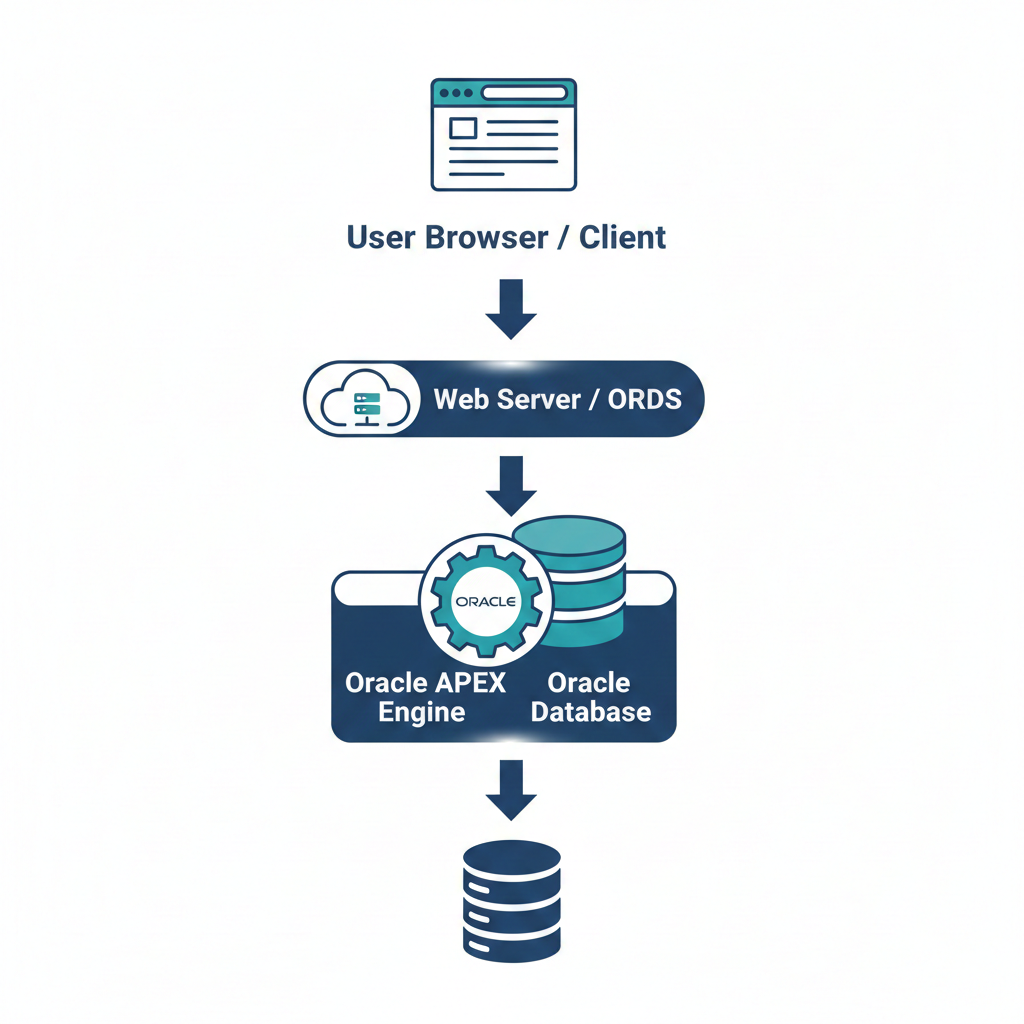
1. Introduction Oracle APEX (Application Express) is often described as a low-code web application development platform, but many developers—especially beginners—feel confused when they hear terms like ORDS, Web Listener, Database, Browser, and PL/SQL engine. In this blog, we’ll break down Oracle APEX architecture in very simple words, step by step, and understand what happens when…
🔄 AJAX Callback Process in Oracle APEX

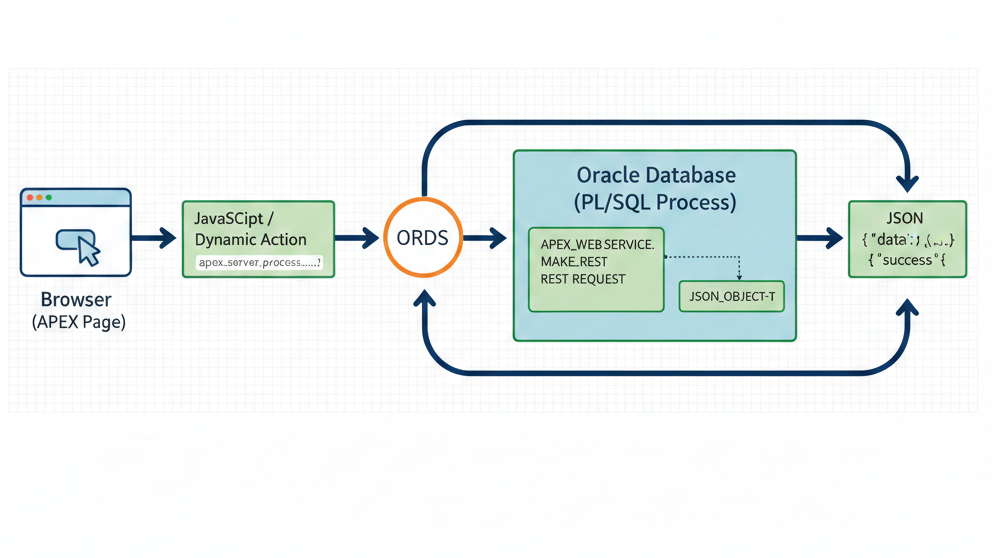
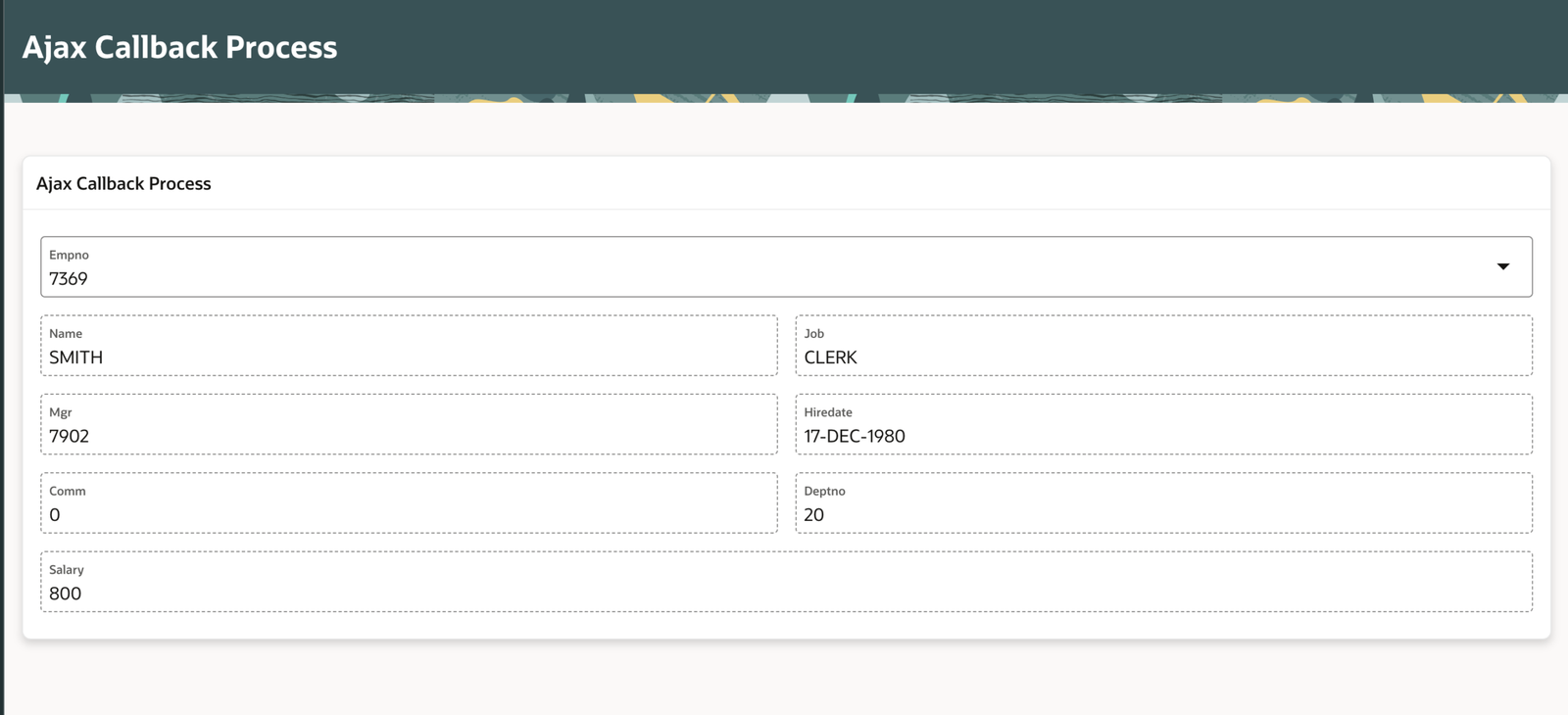
1. Introduction Modern web applications are expected to be fast, responsive, and interactive. Users do not want full page refreshes for small actions like validating data, fetching values, or performing calculations. Oracle APEX supports this requirement through AJAX Callback Processes, which allow communication between the client (browser) and server (database) without submitting or reloading the…
💼 Building an Employee Expense Reimbursement Workflow in Oracle APEX

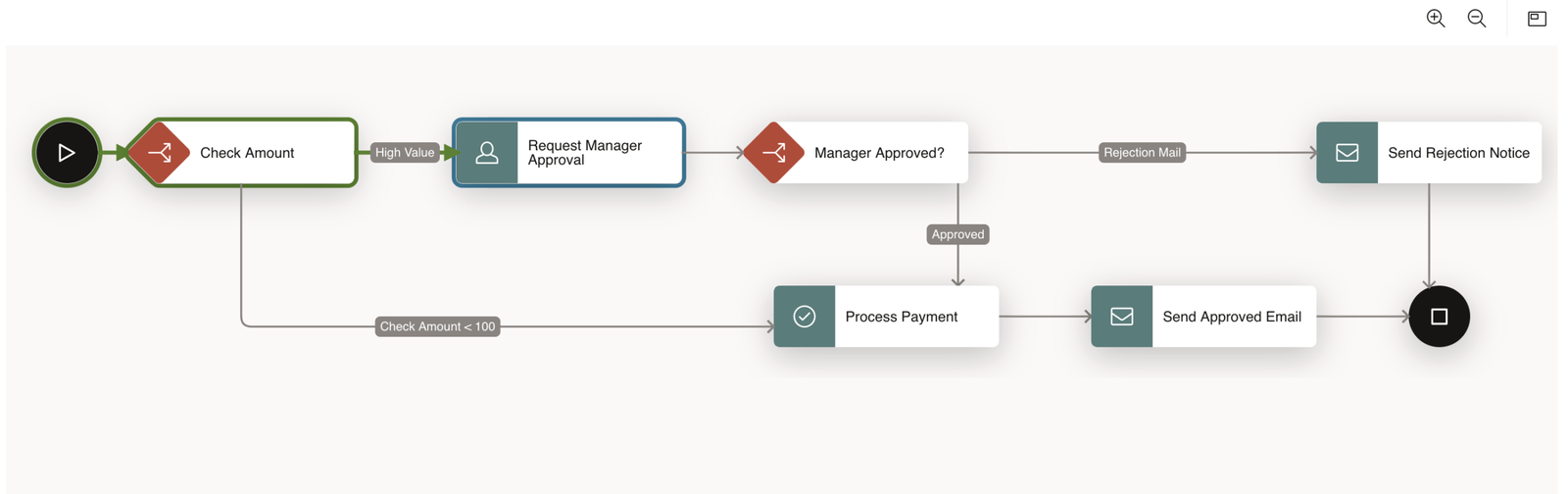
Managing employee expense reimbursements is a classic business use case — and a perfect fit for Oracle APEX Workflows. In this blog, we’ll build a real-world, end-to-end Expense Reimbursement Workflow where small expenses are auto-approved and larger ones require manager approval. By the end of this guide, you’ll have: Let’s dive in 🚀 🧩 Workflow…
📥📊 Download Multiple Excel Reports Using Application Processes in Oracle APEX

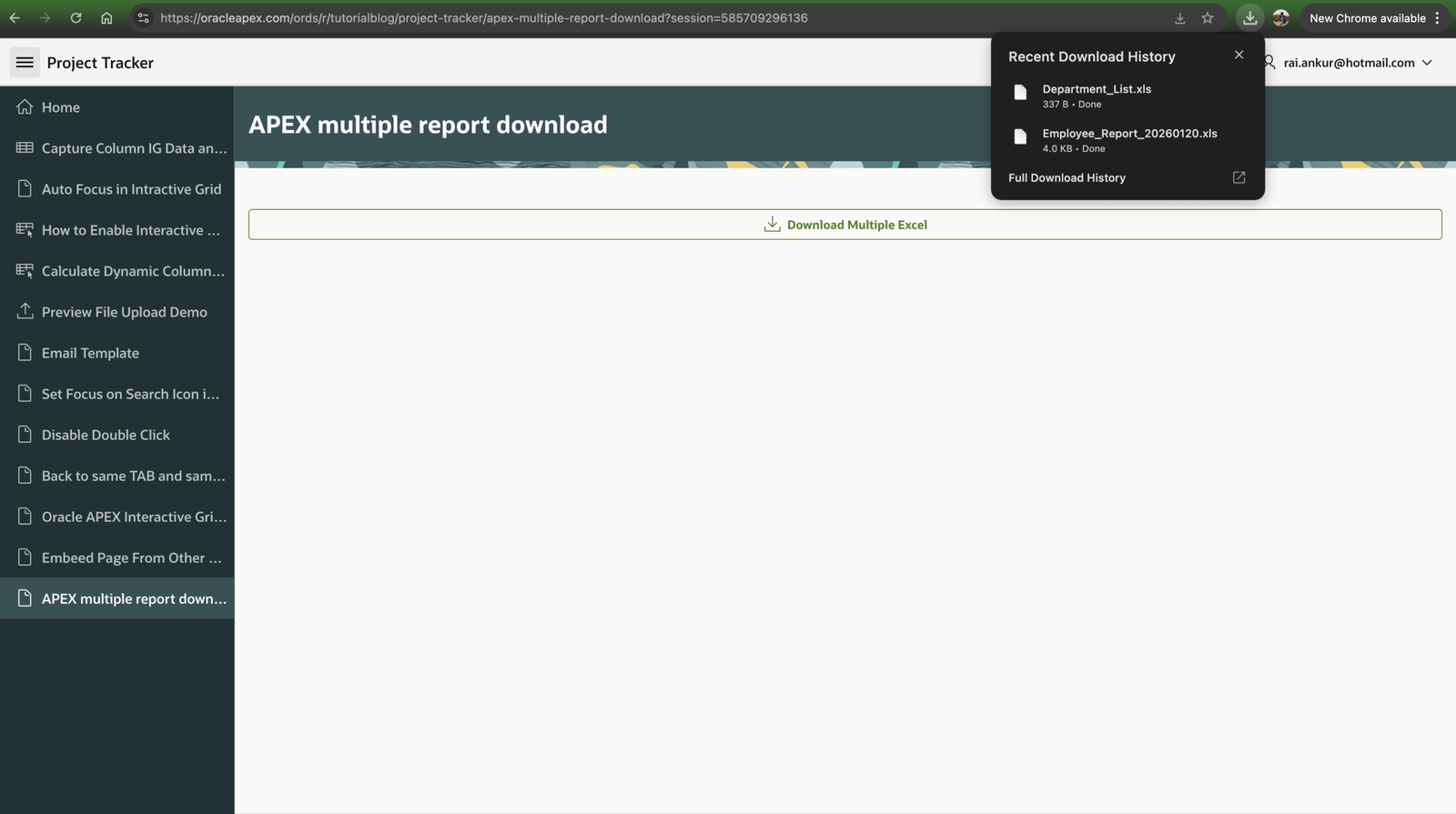
In real-world Oracle APEX applications, there are scenarios where users need to download multiple reports at once—for example, a detailed transactional report along with a master reference report. Oracle APEX does not provide a built-in feature to download multiple files in a single click. However, by combining Application Processes, PL/SQL, and JavaScript, we can implement…
📌 Oracle APEX Limits You Should Know (Component-Wise Guide)

Introduction Oracle APEX is a powerful low-code platform that allows developers to build scalable enterprise applications rapidly. While APEX offers a rich set of features, every component comes with certain limits that developers should be aware of to avoid unexpected issues during development or production. In this blog, we’ll walk through important Oracle APEX component…
🔍 Embed Another Oracle APEX Application Page Using URL Region (Seamless UX)

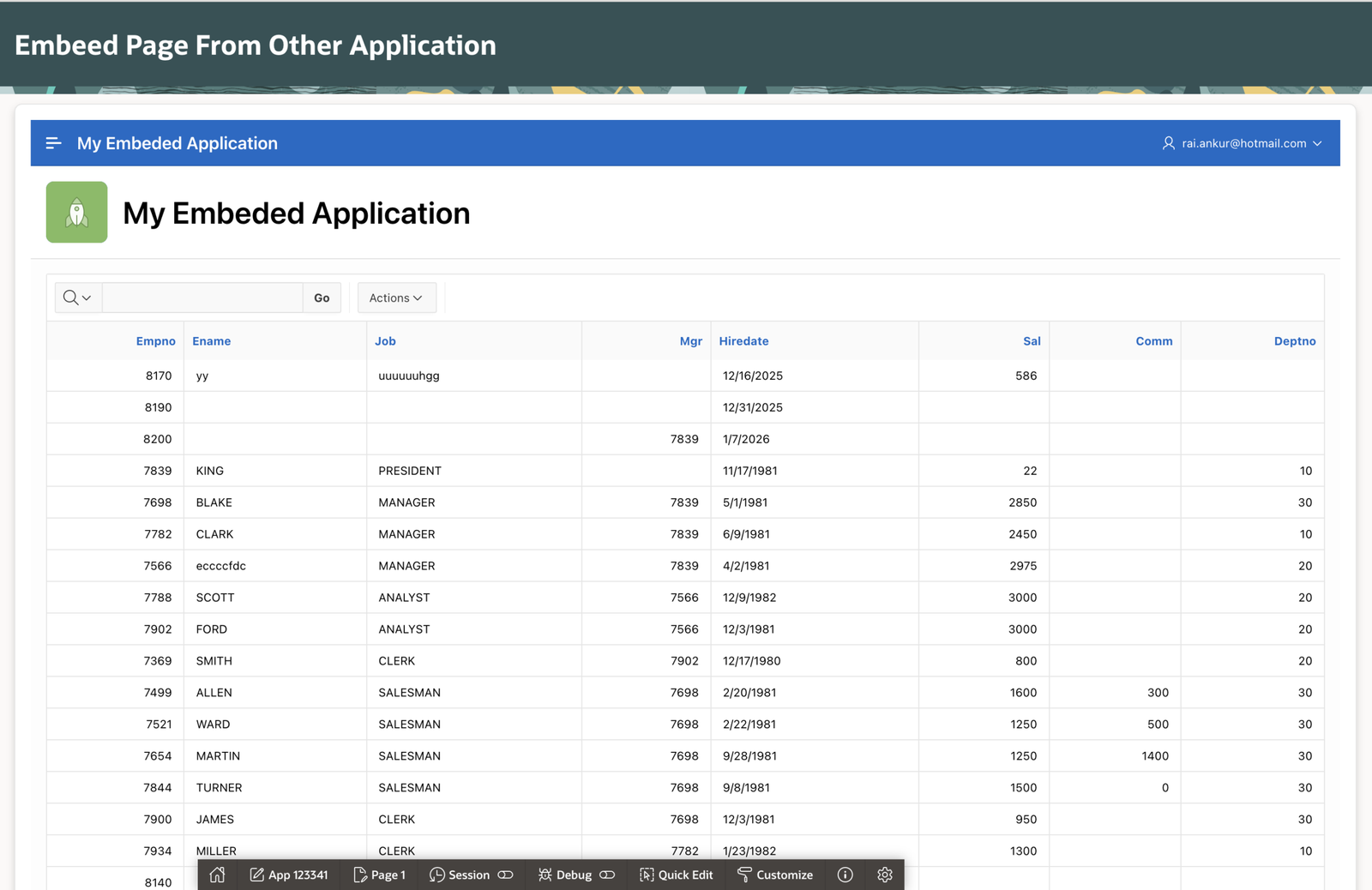
1. Introduction In Oracle APEX applications, delivering a seamless and consistent user experience across multiple applications is often a key requirement—especially when those applications live within the same workspace. In this blog post, I’ll share a practical approach to embedding a page from one Oracle APEX application into another, without users even realizing they’re switching…
🎉 Enhancing Oracle APEX Interactive Grid with HTML Expression & Inline Popup

Oracle APEX Interactive Grid (IG) is extremely powerful, but sometimes we need richer user interactions without relying on third-party plug-ins—especially in restricted enterprise environments. In this article, we’ll explore how to use HTML Expression, Inline Popup, and Template Directives together to display contextual information directly from an Interactive Grid. This approach allows users to view…
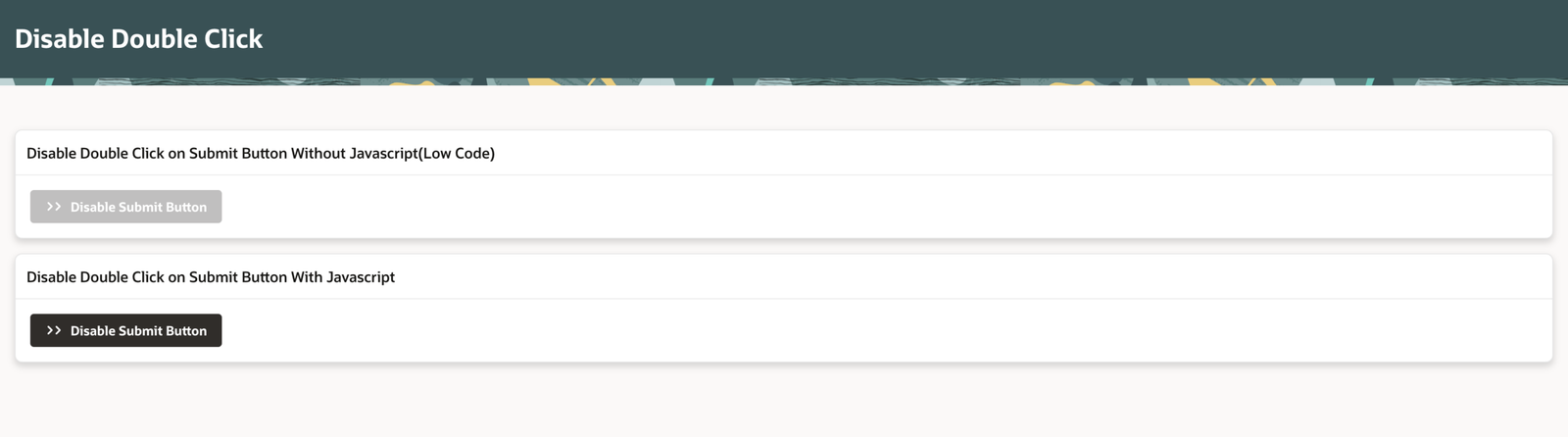
🚫 Disable Double Click on Submit Button in Oracle APEX

Introduction In Oracle APEX applications, a very common real‑world issue is users clicking the Submit button multiple times. This can lead to duplicate records, multiple workflow triggers, or unexpected errors, especially when the page process takes a few seconds to complete. To ensure data integrity and provide a better user experience, it’s important to disable…
🔐 Setting Up GitHub Sign-In Authentication in Oracle APEX
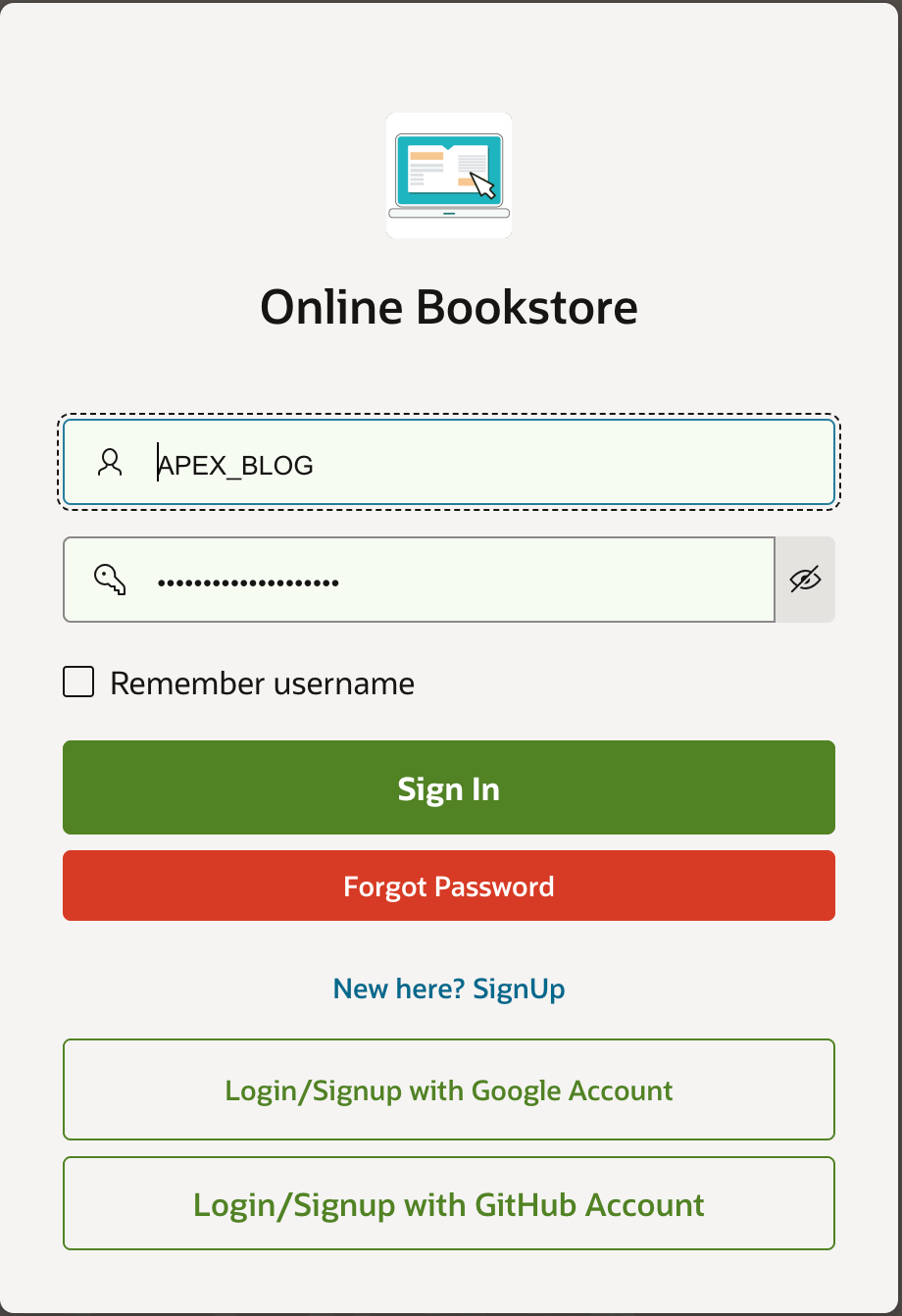
1. Introduction Oracle APEX provides built-in support for OAuth 2.0 authentication, making it easy to integrate external identity providers like GitHub. By configuring a GitHub OAuth application and linking it with APEX authentication schemes, users can log in using their GitHub accounts seamlessly. This blog demonstrates a step-by-step setup for enabling GitHub Sign-In in Oracle…
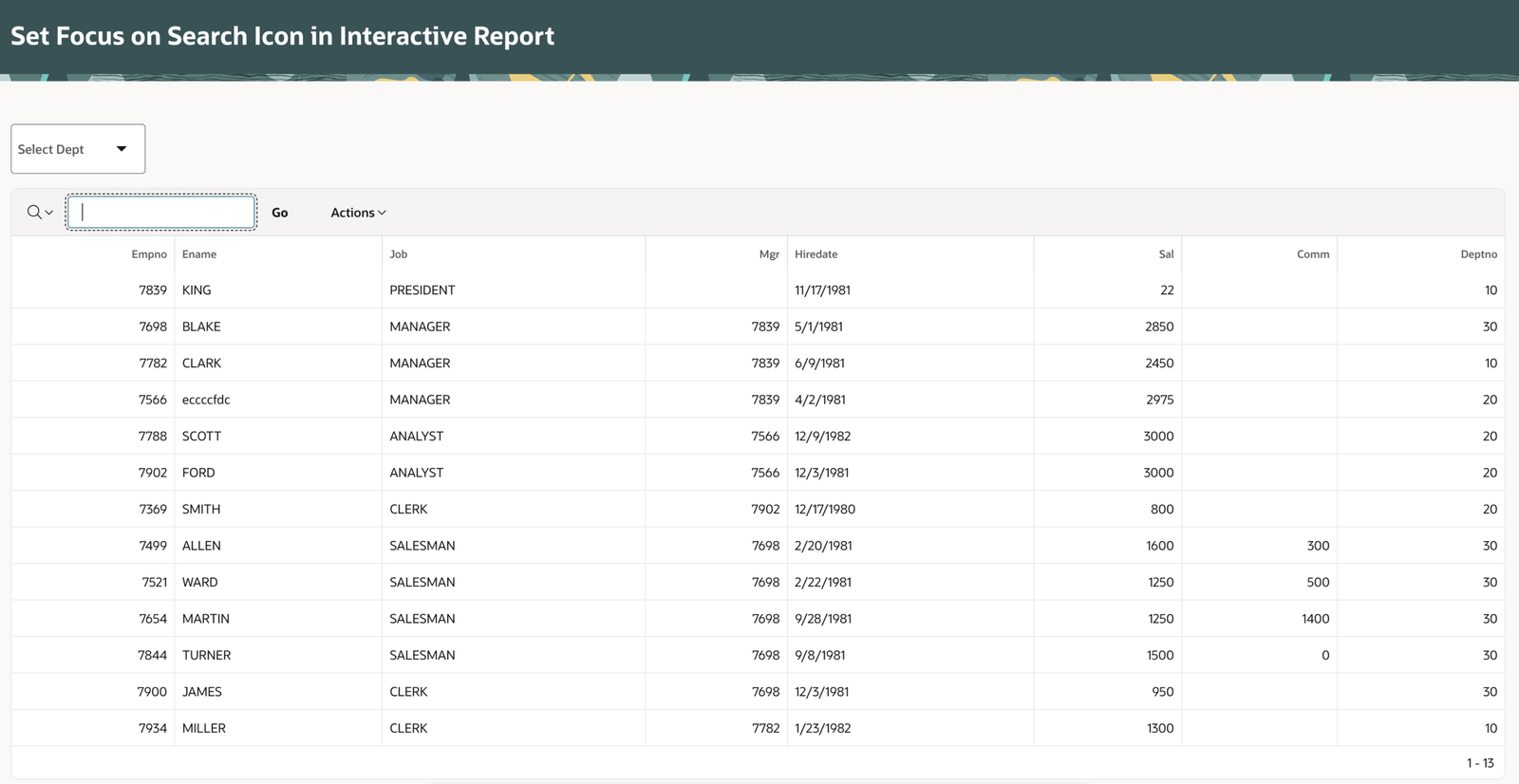
🔍 Set Focus on Search field in Interactive Report in Oracle APEX

1. Introduction In Oracle APEX applications, user experience (UX) plays a vital role in improving productivity and usability. One common requirement is to automatically place focus on the Search field of an Interactive Report after refreshing the report. This article explains a simple and effective approach to set focus on the Search field (column search) in an Interactive Report using Dynamic Actions and JavaScript.…
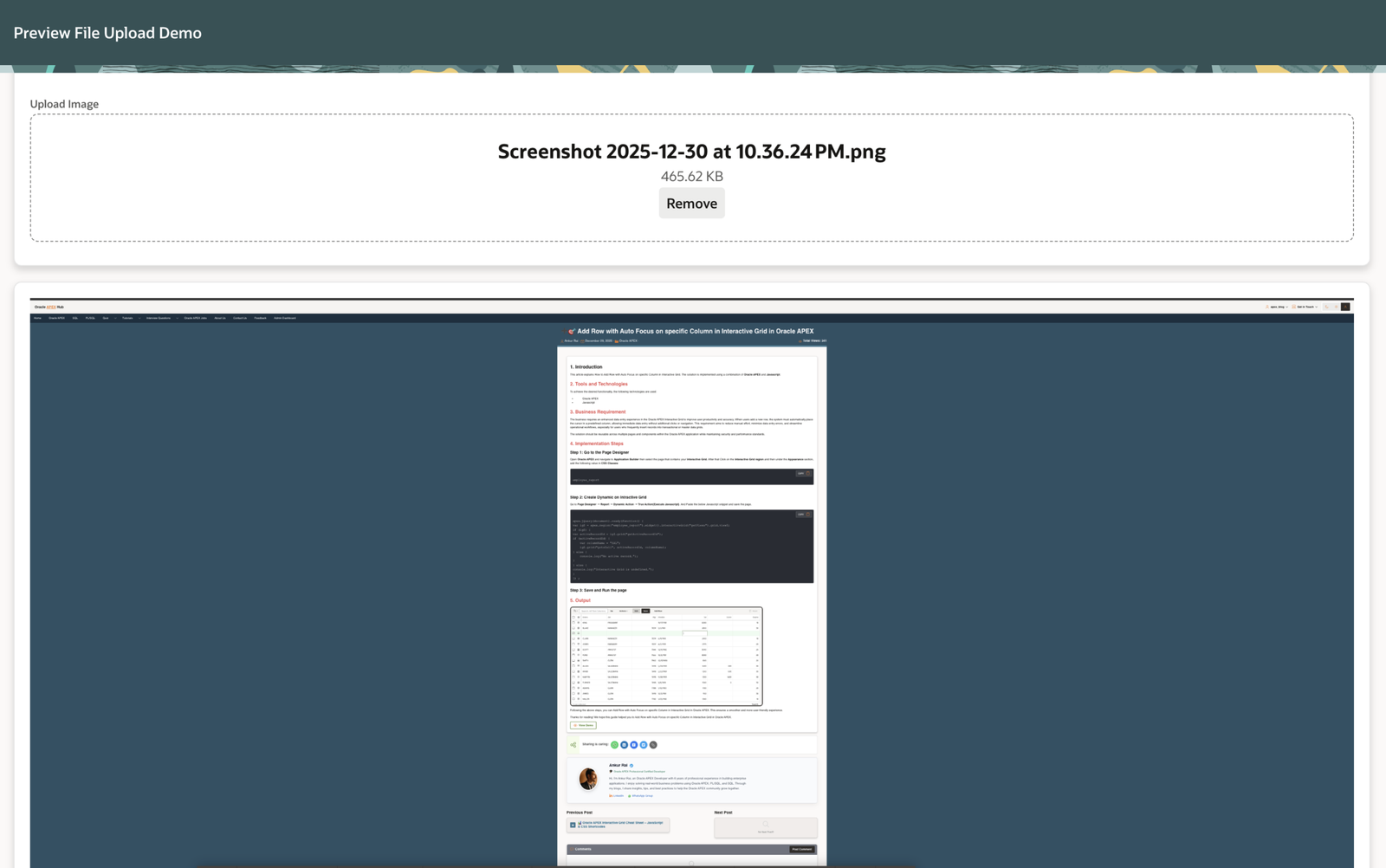
📄 Preview Image & PDF Without Submit in Oracle APEX

1. Introduction In many Oracle APEX applications, users upload images or PDF documents and expect an instant preview before saving the record. However, by default, APEX processes file uploads only after a page submit, which can impact user experience. In this blog, we’ll see how to preview image and PDF files instantly without submitting the page,…
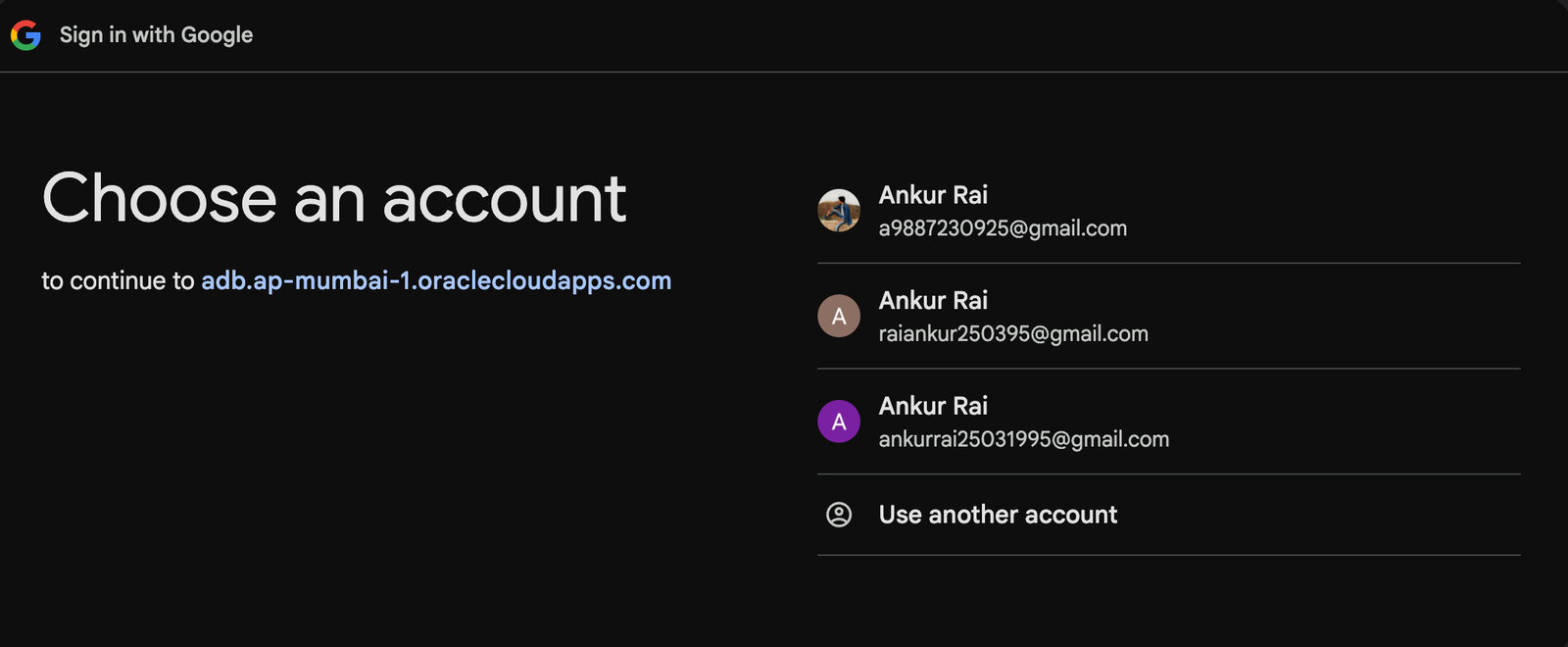
🔐 Setting Up Google Sign-In Authentication in Oracle APEX

1. Introduction Modern applications demand secure and user-friendly authentication methods. Google Sign-In simplifies the login process by allowing users to authenticate using their existing Google accounts. In this blog, we’ll walk through the step-by-step process of configuring Google OAuth and integrating it with Oracle APEX. 2. Tools and Technologies To achieve the desired functionality, the…
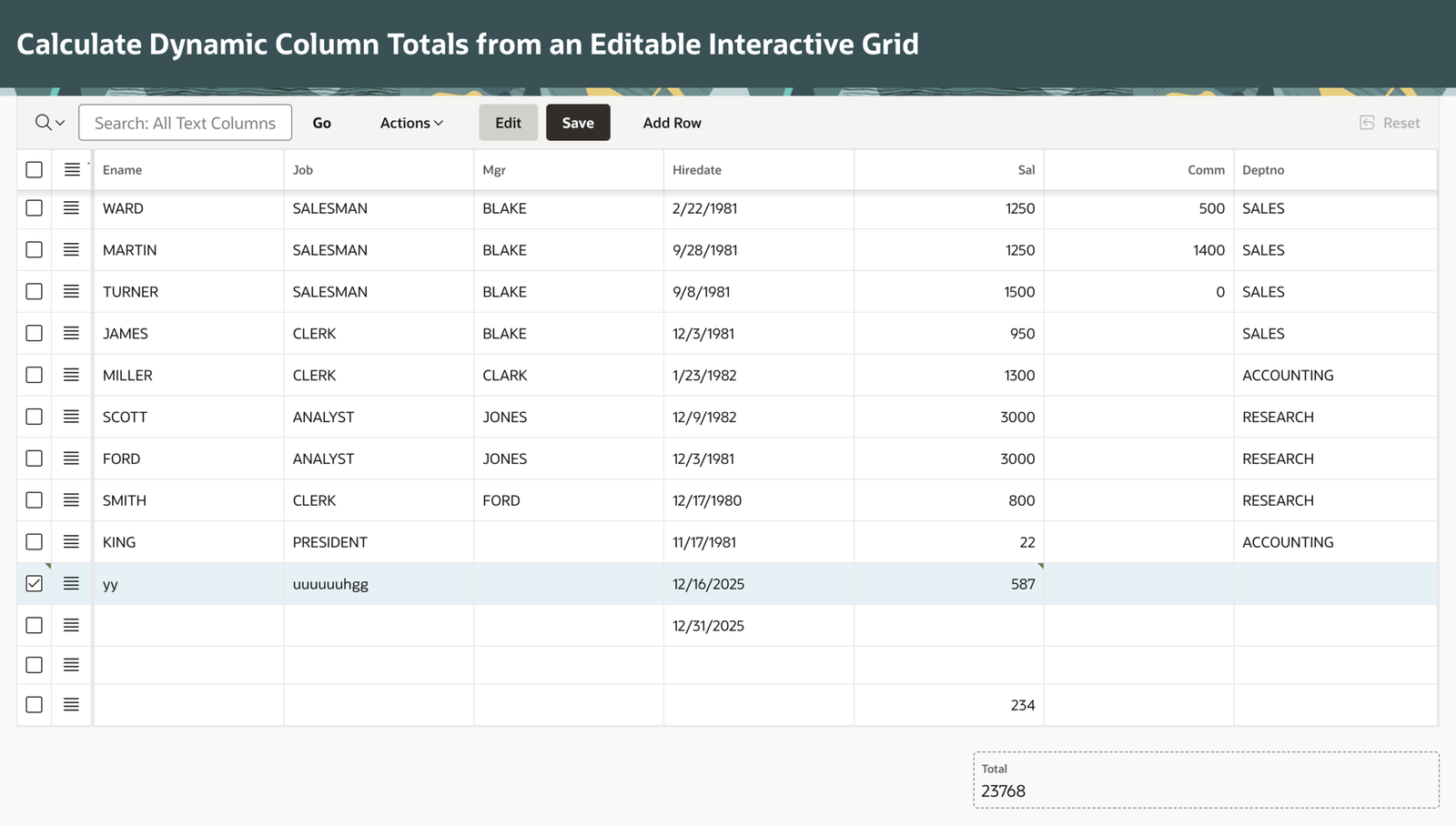
📈 How to Calculate Dynamic Column Totals from an Editable Interactive Grid in Oracle APEX

1. Introduction Oracle APEX Interactive Grid is a powerful component that allows users to view and edit data directly within the page. However, in many real-world applications, users expect instant feedback when they modify numeric values—such as automatically updating totals or summaries on the same page. By default, Interactive Grids do not provide a built-in way to…
📊 Oracle APEX Interactive Grid Cheat Sheet – JavaScript & CSS Shortcodes

Introduction Interactive Grid (IG) in Oracle APEX is powerful, but mastering a few reusable JavaScript and CSS snippets can significantly improve productivity and user experience. Below are short, practical IG shortcuts that you can quickly plug into your applications. 1. Disable Column Reorder & Resize Prevent users from rearranging or resizing grid columns. 📍 Where to use: Interactive…
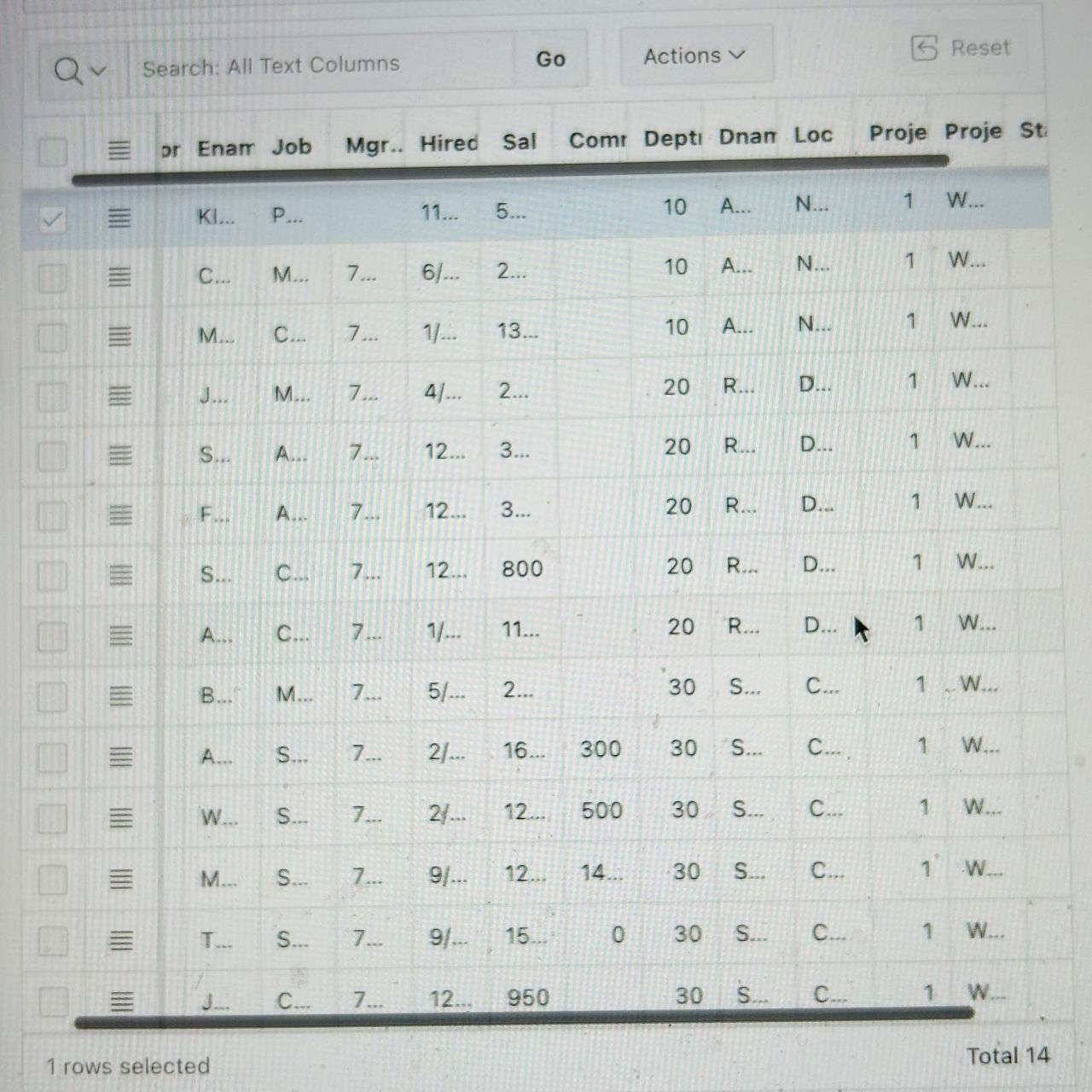
🔄 Add Horizontal Scrollbar on Top of Interactive Grid in Oracle APEX

1. Introduction This article explains How to Add Horizontal Scrollbar on Top of Interactive Grid in Oracle APEX. The solution is implemented using a combination of Oracle APEX and CSS. 2. Tools and Technologies To achieve the desired functionality, the following technologies are used: 3. Business Requirement Users frequently work with wide datasets in Oracle APEX Interactive Grids that contain…
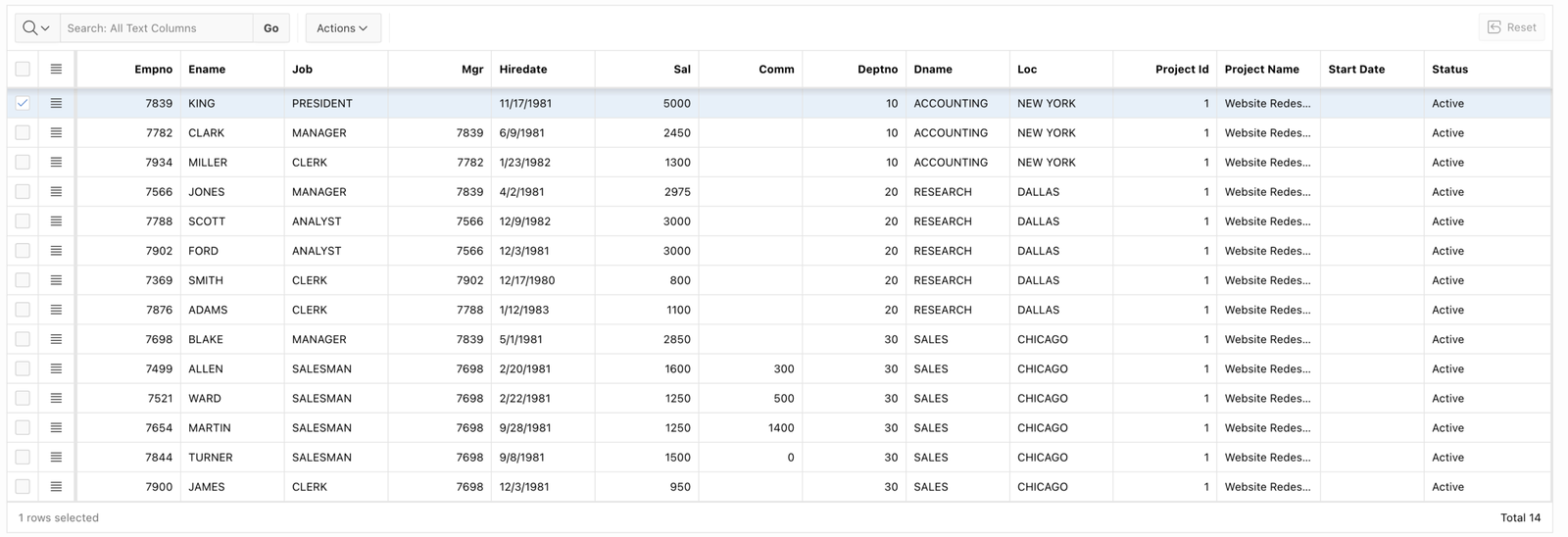
🎯 How to Hide Interactive Grid Toolbar Buttons in Oracle APEX (Step-by-Step Guide)

1. Introduction This article explains How to Hide Interactive Grid Toolbar Buttons in Oracle APEX. The solution is implemented using a combination of Oracle APEX and Javascript. 2. Tools and Technologies To achieve the desired functionality, the following technologies are used: 3. Business Requirement To improve usability, security, and data governance, the application must restrict end users from…
🧩 How to Capture Column data from Interactive Grids into Page Items in Oracle APEX

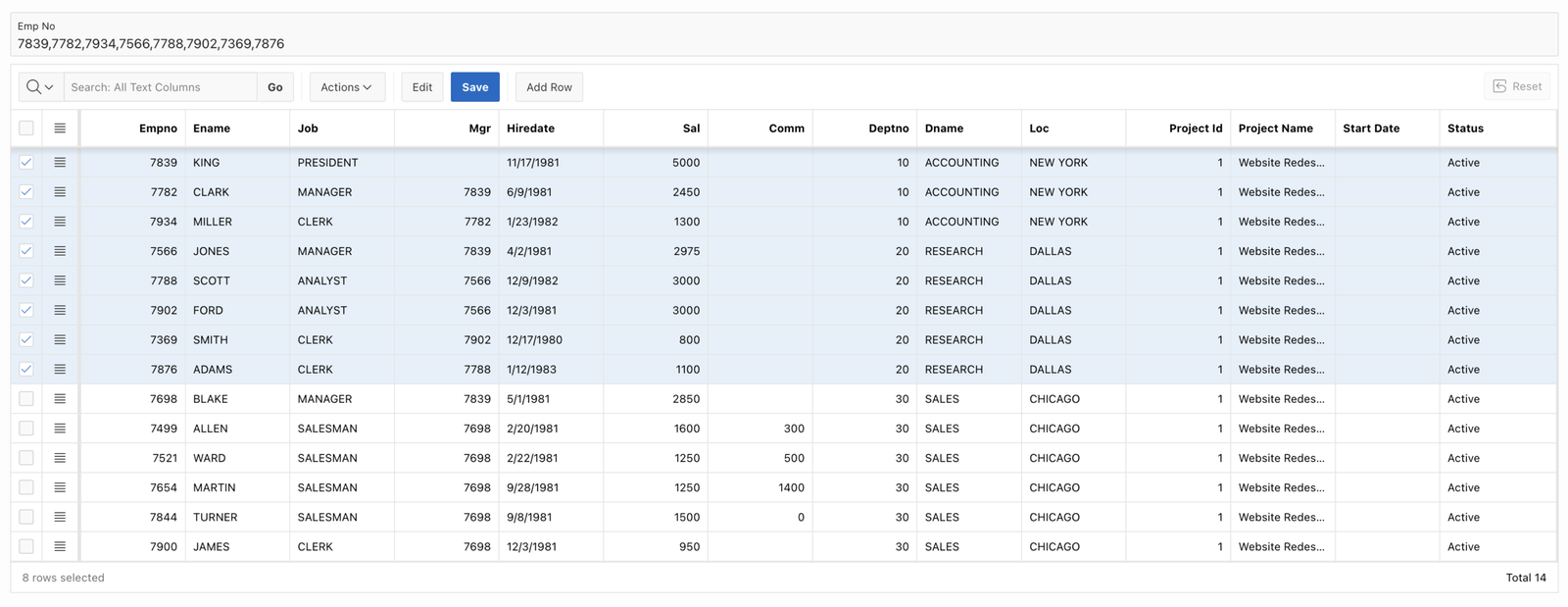
1. Introduction This article explains How to Capture Column data from Interactive Grids into Page Items in Oracle APEX. The solution is implemented using a combination of Oracle APEX, PLSQL and Javascript. 2. Tools and Technologies To achieve the desired functionality, the following technologies are used: 3. Business Requirement The application must allow users to select one or…
🚀 The Ultimate Guide: Setting Up Oracle XE + APEX + ORDS + Tomcat on Windows

Welcome to OracleAPEXHub! If you are looking to build a robust, production-ready development environment without breaking the bank, you have come to the right place. In this guide, I will walk you through a complete “Full Stack” installation. We are combining the lightweight power of Oracle Database XE with the low-code magic of APEX, served professionally via ORDS and Apache Tomcat. Whether…
🧾 Generating Barcodes in Oracle APEX Using APEX_BARCODE

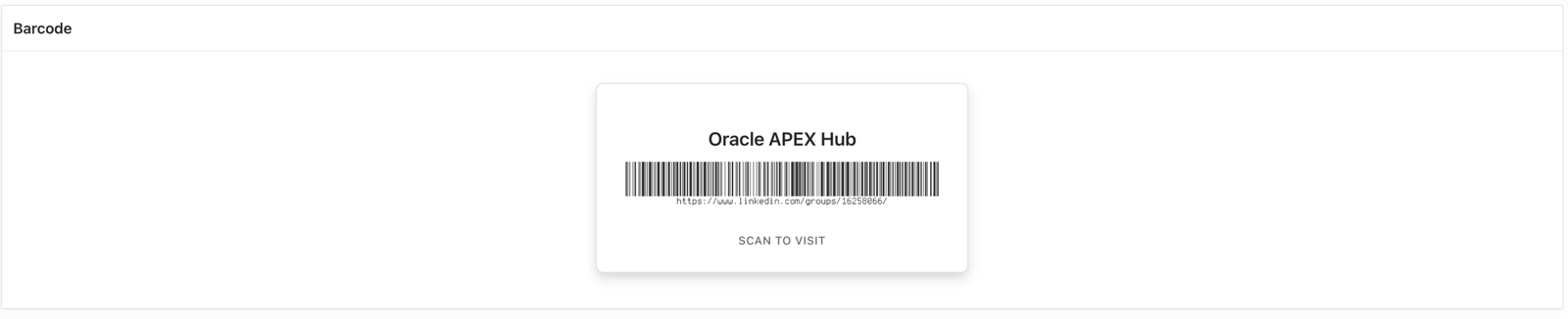
1. Introduction This article explains How to Generating Barcodes in Oracle APEX Using APEX_BARCODE. The solution is implemented using a combination of Oracle APEX, PL/SQL and CSS. 2. Tools and Technologies To achieve the desired functionality, the following technologies are used: 3. Business Requirement Many business applications require barcode generation to support daily operational needs such as inventory management, asset tracking,…
🌙☀️ Implement Light Dark & Auto Theme Mode in Oracle APEX

1. Introduction This article explains how to Implement Dark, Light & Auto Theme Mode in Oracle APEX. The solution is implemented using a combination of Oracle APEX, SQL and PL/SQL. 2. Tools and Technologies To achieve the desired functionality, the following technologies are used: 3. Business Requirement Users should be able to switch between Light Mode, Dark Mode, or Automatic Mode…
👥 Collaborative Development using Application Working Copies

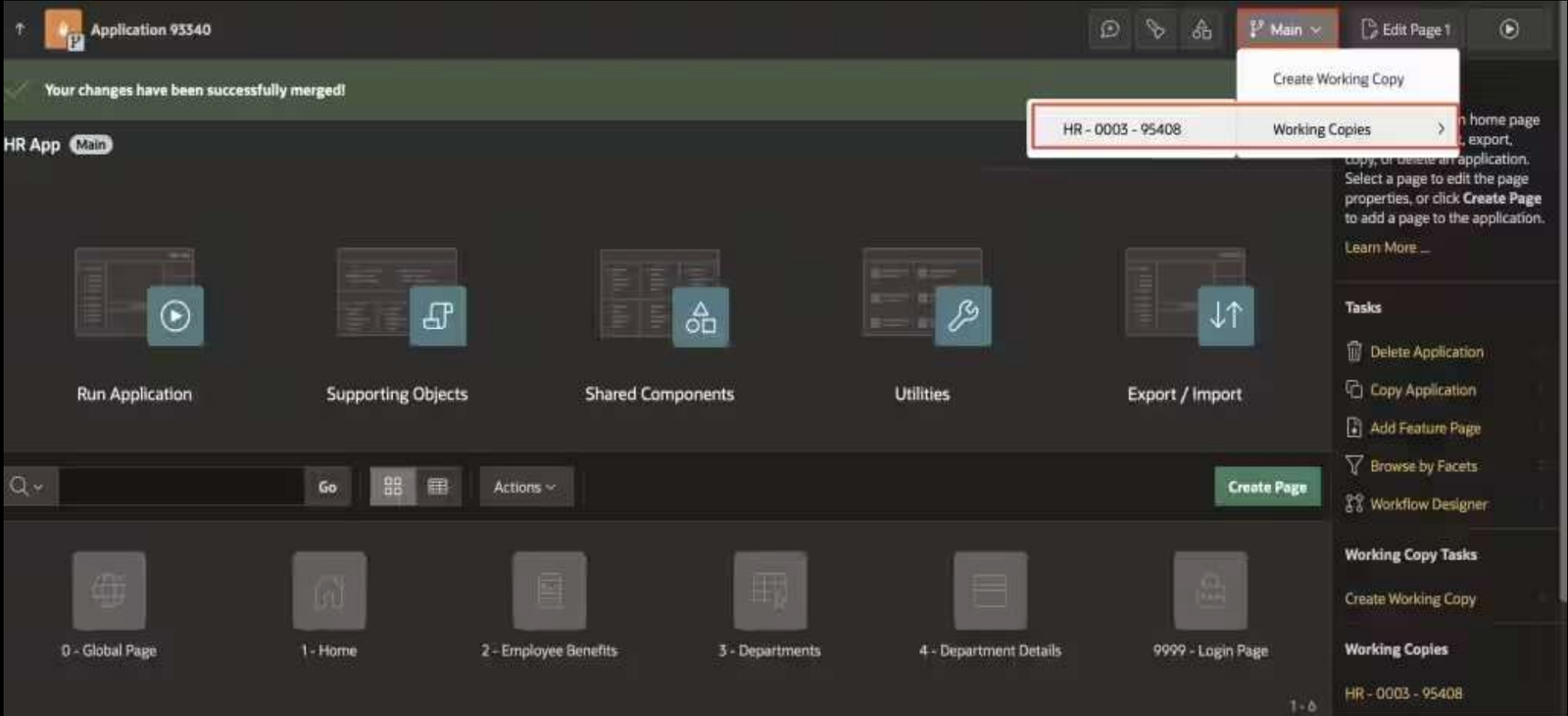
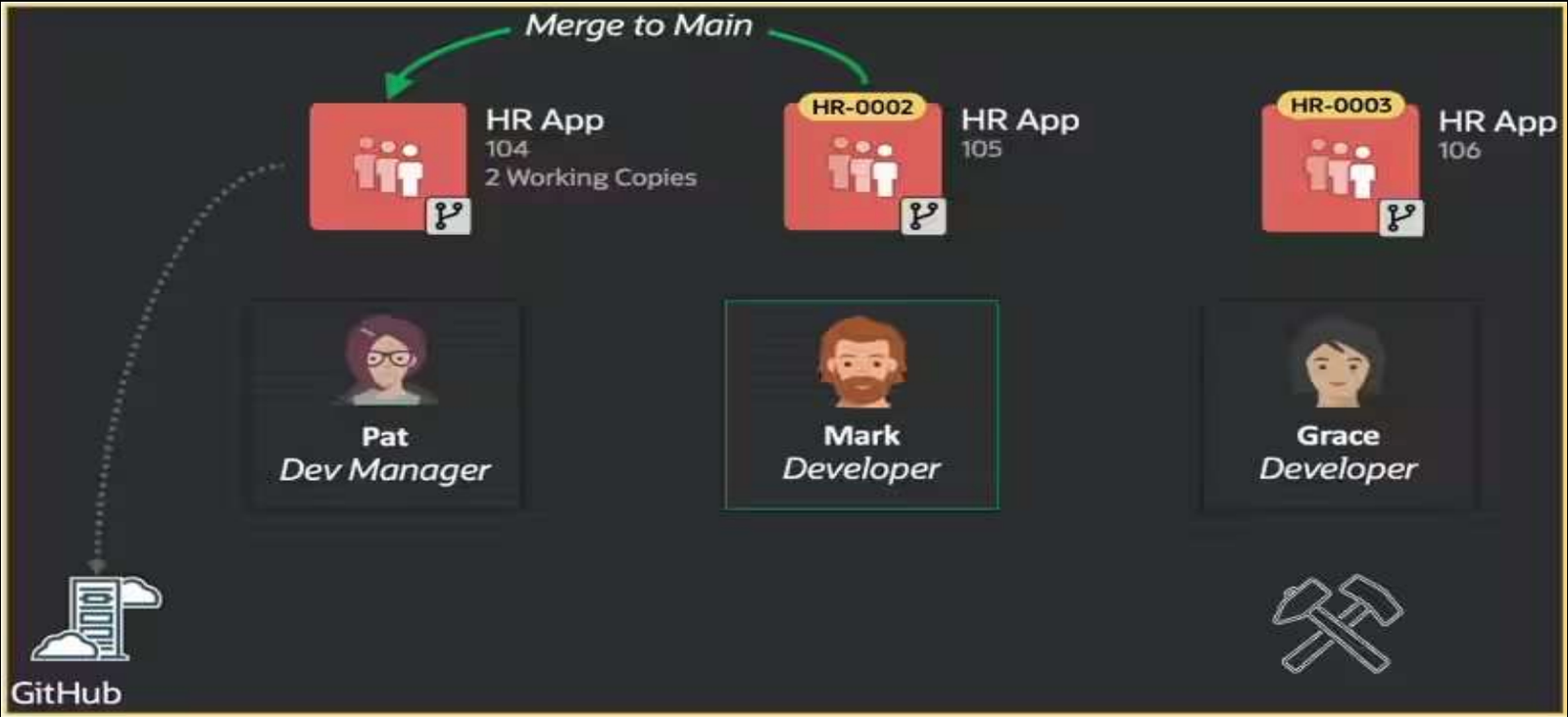
1. Introduction Starting with Oracle APEX 23.2, you can create a Working Copy of an application to fix a bug, add a feature and then selectively merge your changes back into the Main application. Similarly, you can also refresh changes from the Main application into the Working Copy. During the merge or refresh process, you…